
Flourish - Basics
Diet
Diet confusion
-
Traditional Chinese medicine physician - "Never eat raw vegetables!"
Naturopath - "Eat a large, raw salad for lunch every day as your meal!"
-

Cancer dietician - "Eat a little whey to ensure that your protein status is optimal."
Nutritionist - "Never eat whey protein, or any other animal protein, if you have cancer."
-

Nurse practitioner - “Eat the keto diet for the rest of your life if you have or had cancer.”
Doctor of osteopathy (D.O.) - “The ketogenic diet is harmful, especially long term.”
-

Oncologist - “Eat the Mediterranean diet.”
Naturopath - “Don’t eat the Mediterranean diet; the research on this diet was funded by olive oil and nut companies.”
NOURISH AND FLOURISH
Knowing what to eat after a cancer diagnosis can be overwhelming. You may receive a variety of dietary recommendations—and sometimes they will contradict one another.
It’s so important to choose wisely because what you eat can make a profound difference in your health in a short period of time. Many doctors agree that 75% of chronic disease can be prevented through good nutrition.
After doing my research, I landed on a whole-food, plant-based (WFPB) diet that is low in fat and high in fiber. Below, I’ll explain why I chose this way of eating and how I make it work.
Dr. T. Colin Campbell, author of The China Study and The Future of Nutrition, has written extensively about the relationship between nutrition and chronic disease, including cancer. His research and teaching greatly influenced my decision to follow a WFPB diet.
Understanding how to eat a healthy WFPB diet is key. Many people think they are eating a healthy plant-based diet when they may not understand how to properly structure one. I’ll walk you through the principles of the vegan WFPB diet I follow and how I make it sustainable.
The best way to describe my diet journey is progression. I’ve taken one step at a time, gradually moving toward healthier eating. It didn’t happen all at once, and I continue to make progress every day, week, month, and year.
What seems daunting today can become doable down the road!
-
Learn all about my diet—what I eat and why. LEARN MORE
Then visit the Julie’s Kitchen page to see how I put my diet into practice—from setting up my kitchen and grocery shopping to food prep, meals, and healthy eating tips.
-
Start by studying this page. Then visit the Julie’s Kitchen page to see how I put my diet into practice—from grocery shopping and food prep to meals and healthy eating tips.
-
Strong research supports both of these recommendations: eliminate ultra-processed food and flood your body with fruits and vegetables!
-
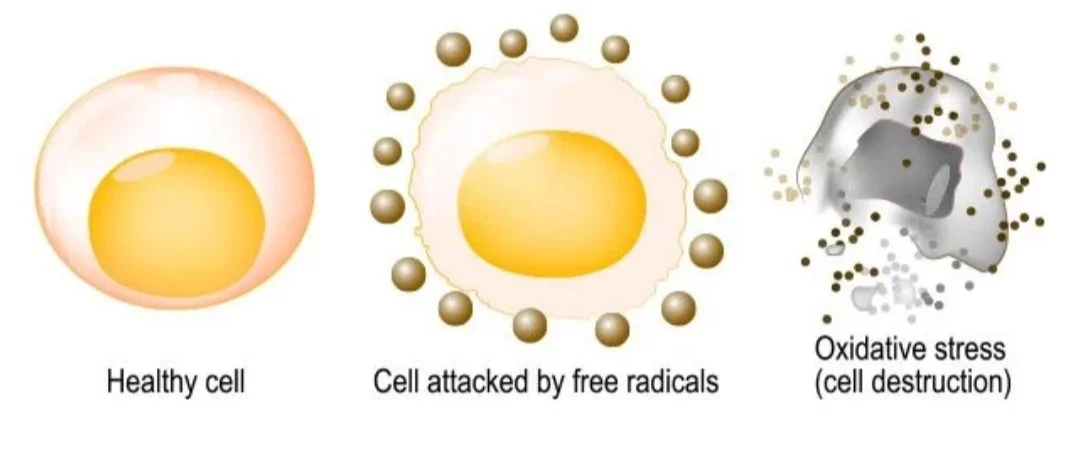
Oxidative stress causes diseases like cancer. Fruits and vegetables contain antioxidants and phytochemicals that combat oxidative stress.
-
Get detailed information about formulating the composition of your diet:
-
A high-fat, low-carbohydrate diet can be effective for some types of cancer.

My Diet
WHY I CHOSE a WFPB diet
I learned about the benefits of a whole-food, plant-based (WFPB) diet — but also how to properly eat this diet for cancer — directly from leading authorities on plant-based nutrition such as Dr. John McDougall, T. Colin Campbell, Dr. Caldwell B. Esselstyn, Dr. Neal Barnard, and Dr. Pam Popper. I decided to commit to a WFPB diet and follow it consistently for at least the first five years. I was already eating what I considered a “healthy” diet, but it wasn't truly whole-food, plant-based. Read “I Already Ate Healthy!” for more details.
Numerous studies show that people who eat a low-fat, plant-based diet have stronger immunity, 50% less inflammation, and live a long time! There are five blue zones that eat this diet and are home to the most centenarians on the planet: Loma Linda, California; Nicoya, Costa Rica; Sardinia, Italy; Ikaria, Greece; and Okinawa, Japan. https://www.ncbi.nlm.nih.gov/pmc/articles/PMC6125071/
This diet is not only protective, but can actually stop the progression of (and even reverse) diseases like cancer. https://www.ncbi.nlm.nih.gov/pmc/articles/PMC3251953/
Breast cancer - https://pubmed.ncbi.nlm.nih.gov/24606431/
Colon cancer - https://pubmed.ncbi.nlm.nih.gov/17699009/
Prostate cancer - https://pubmed.ncbi.nlm.nih.gov/25533015/
Melanoma - https://pubmed.ncbi.nlm.nih.gov/25194935/
Conversely, people who eat a high-fat, high-protein diet (especially a diet high in animal foods) have higher rates of disease and shorter life spans. https://pubmed.ncbi.nlm.nih.gov/25548184/ https://pubmed.ncbi.nlm.nih.gov/24606898/https://pubmed.ncbi.nlm.nih.gov/19746296/https://pubmed.ncbi.nlm.nih.gov/21590739/
what is a wfpb diet?
This plant-based diet is comprised of 90% (or more) of calories from four major food groups: fruit, vegetables, legumes, and whole grains. A very small amount of calories (10% or less) in the diet can come from organic animal foods, but never dairy products. Dr. T. Colin Campbell advocates a WFPB diet consisting entirely, or nearly entirely, of plant foods. Based on his research, he recommends this way of eating for reducing the risk of chronic diseases, including cancer.
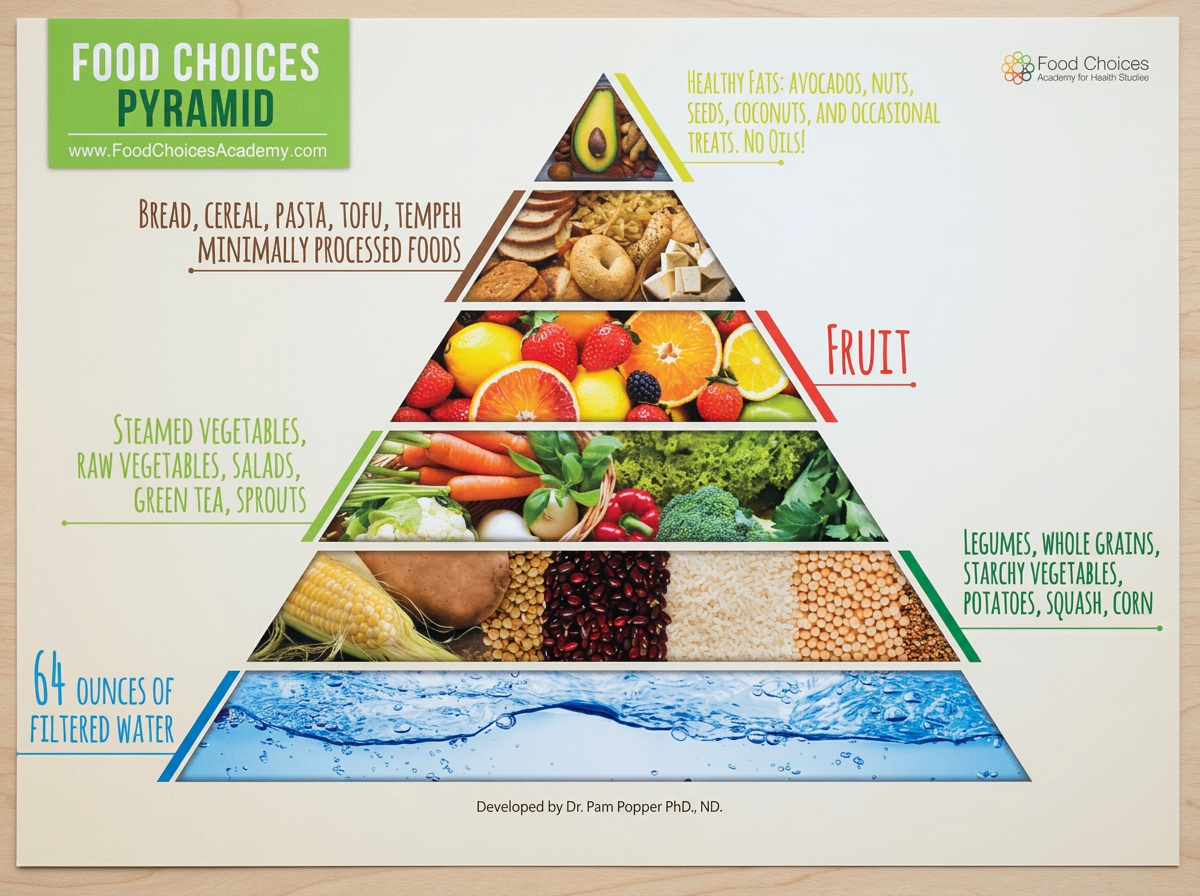
Dr. Pam Popper is the Executive Director of Wellness Forum Health. She is the author of Food Over Medicine: The Conversation That Could Save Your Life. Take a look at Dr. Popper’s Food Choices Pyramid below, then follow along as I break down each level and explain what makes up a WFPB diet.
PYRAMID BREAKDOWN
We’ll break down the pyramid above from top to bottom. If some of what you’re about to read seems crazy, keep reading! Further down on this page, there is a deeper dive into carbs, protein, and fat that explains the “why” behind each recommendation.
HEALTHY FATS: 10-15%
We need some fat in our diets, but it is easy to consume too much because fats are calorie-dense. Choose whole-food sources of fat and keep portions small.
Choose foods such as avocados, nuts, seeds, and nut butters in moderation.
Think small: avocado on toast, a few nuts on a salad, or seeds sprinkled over a meal.
Dr. Popper recommends “no oils” on the pyramid, so eliminate or at least limit added oils. Unlike whole foods, oils are concentrated sources of fat and calories without the fiber found in the original plant food. If needed, use 1–2 tablespoons of olive oil sparingly. When it comes to oil, less is more.
CARBOHYDRATES: 70-80%
Carbohydrate-rich whole plant foods provide the primary source of energy in this WFPB diet. As a society, we have been convinced that starch makes people fat, but this is false. Unlike refined carbohydrates, whole-food carbohydrates come packaged with fiber and an abundance of nutrients. A diet rich in whole plant foods is naturally high in fiber. Eating a diet rich in starchy foods creates satiety. It is important to eat both starchy and non-starchy carbohydrates. Understanding how to choose the right carbs is key!
minimally processed carbs: BREAD, CEREAL, PASTA, TOFU & TEMPEH
Choose minimally processed options and use them to complement whole foods.
Good choices include sprouted whole-grain bread, whole-grain or legume pasta, tofu, and tempeh. Whenever possible, choose products with simple ingredient lists and little or no added oil or sugar.
Avoid ultra-processed foods such as cookies, donuts, chips, and highly processed vegan foods.
fruit
Enjoy whole fruit every day. Choose fresh or frozen fruit for snacks, meals, and smoothies. Whole fruit is preferred over juice, and dried fruit should be eaten in smaller amounts because it is more concentrated.
This category includes: apples, apricots, bananas berries, cherries, figs, grapefruit, grapes, loquats, mangoes, melons, nectarines, oranges, papayes, peaches, persimmons, pineapples, plums, tangerines, and watermelons.
Non-starchy vegetables, salads & sprouts
Non-starchy plant foods are extremely important, but alone they cannot provide enough calories to sustain a WFPB diet. They won’t keep you satiated on their own. Eat generously and aim for variety. Enjoy them raw, steamed, roasted, in soups, or as part of a large salad.
This category includes: asparagus, bok choy, broccoli, Brussels sprouts, cabbage, cauliflower, celery, chives, collard greens, eggplant, garlic, green beans, kale, leafy greens, leeks, lettuce, mushrooms, mustard greens, okra, onions, peppers, radishes, rhubarb, scallions, spinach, sprouted foods, summer squashes, tomatoes, turnips, and zucchini.
STARCHY FOODS: LEGUMES, WHOLE GRAINS & STARCHY VEGETABLES
Make these the foundation of your meals. These foods provide complex carbohydrates, fiber, and important nutrients while helping make meals filling and satisfying.
This category includes:
Grains: barley, buckwheat, farro, millet, oats, quinoa, rice (brown, red, wild, etc.), rye, sorghum, and wheat.
Beans or legumes: beans (black, pinto, etc.), chickpeas, lentils, peas, pumpkin seeds, and walnuts.
Starchy vegetables: carrots, corn, Jerusalem artichokes, parsnips, plantains, potatoes, salsify, winter squashes (acorn, banana, butternut, Hubbard), and yams.
PROTEIN: 10%
Plant-based diets are sometimes criticized for not providing enough protein, but a varied plant-based diet can provide the essential amino acids the body needs. https://www.ncbi.nlm.nih.gov/pmc/articles/PMC6893534/
In The Starch Solution, Dr. John McDougall explains that animal foods are not necessary to obtain adequate protein. With adequate calories and a variety of foods, whole grains, legumes, vegetables, seeds, and nuts provide essential and non-essential amino acids.
One reason taught for cancer patients to obtain protein from plant sources and lower their overall protein intake involves IGF-1 (insulin-like growth factor 1). IGF-1 is a hormone associated with cancer risk, and lower levels have been associated with longer survival for cancer patients.https://www.ncbi.nlm.nih.gov/pmc/articles/PMC3988204/
Many cancer patients avoid animal products long-term, while others follow a vegan diet for the first 90 days to detox their bodies and then slowly add some animal foods back. As stated above, dairy should be eliminated. If you choose to include meat, fish, or eggs, limit them to 2–3 times per week.
When choosing animal foods:
Purchase meat labeled certified organic to avoid meat given steroids, hormones, or antibiotics.
Avoid processed meats such as bologna, bacon, hot dogs, and ham.
Avoid fish high in heavy metals or contaminants. If you eat fish, choose wild salmon or other wild-caught fish rather than farm-raised fish.
Humans are designed to eat a diet with about 90% of calories from plants and 10% or less from animal foods. Unfortunately, today's average American gets about 15% of calories from meat.
WATER
Drink at least 64 ounces of filtered water each day. Visit the Detox page to learn more about water filtration and the filters I use.
Visit the Hydration page to learn more.
FOODS TO ELIMINATE OR AVOID
0% ALCOHOL
You don’t have to look far to find research on the direct connection between alcohol and cancer. All alcoholic drinks—including red and white wine, beer, and liquor—are linked with cancer.
https://www.cancer.gov/about-cancer/causes-prevention/risk/alcohol/alcohol-fact-sheet
https://www.cdc.gov/cancer/alcohol/index.htm
0% DAIRY
Choose plant milks instead of dairy for smoothies, cereal, mashed potatoes, and other foods.
Those who consume less dairy have a significantly lower risk of developing lung, breast, and ovarian cancer than those who consume more. https://pubmed.ncbi.nlm.nih.gov/25314053/
Dairy is a cancer-promoting food and increases IGF-1 levels, a known cancer risk factor. https://pubmed.ncbi.nlm.nih.gov/19746296/
Cow’s milk contains estrogen and estrogen metabolites, and consuming cow’s milk products results in higher circulating estrogen levels. https://pubmed.ncbi.nlm.nih.gov/19496976/
“Research on dairy confirms it causes disease and inflammation and it doesn't help to build strong bones.”
— Dr. Will Bulsiewicz, Fiber Fueled
0% FRIED FOODS
Eliminate fried foods and seek alternatives, such as using an air fryer.
Research shows a connection between fried foods and colon cancer. https://pubmed.ncbi.nlm.nih.gov/3189276/
0% GENETICALLY MODIFIED FOODS (GMOs)
Eliminate genetically modified foods and produce that is high in pesticides. Visit EWG.org to learn more.
When choosing produce, buy organic as often as possible. Some studies show that organic plant foods have higher concentrations of antioxidants than non-organic plant foods.
Studies show that nutrient density is important for cancer patients; therefore, if affordable and accessible, consuming organic plant foods may be helpful.
Many studies also show that eating organic plant foods reduces exposure to chemicals. However, there are no studies demonstrating that consuming non-organic plant foods increases cancer risk or that eating organic plant foods improves outcomes for cancer patients.
0% ULTRA-PROCESSED FOODS
There will likely be some minimally processed foods in your diet, but when choosing packaged foods, look for those with more plant ingredients and higher fiber.
We eliminated processed sugar but consume a small amount of Atlantic sea salt Here are 2 options: 1 or 2. Another option is non-iodized salt.
Instead of relying on salt, add flavor with garlic, basil, oregano, and other herbs and spices. Even celery and Swiss chard can add a salty flavor to dishes.
Get used to looking for “low sodium” or “no sodium” options.
MY DIET TIPS
Enjoy your meals
Chew your food to a cream. Eat slowly and enjoy your meals. I’ve had to work hard to slow down while eating and learn to enjoy my food. Give yourself time to rest and digest after eating.
Don’t stress about food!
Stress is never good—even when it comes to food—so give yourself grace as you adjust to eating more plants. The most important thing you can do is add more plants! Give your taste buds time to adjust.
Eat as close to the plant as possible
The majority of your diet should be whole plant foods. When choosing boxed or packaged foods, look for a short ingredient list. Be aware of how easily sweets and oils can creep back into your diet and begin taking over.
You don’t have to eat FOODS you don’t like
Variety is important, but there are populations with limited dietary resources that survive and thrive on relatively few plant foods. You can eat many of the same foods regularly and still remain healthy.
If you don’t like kimchi, don’t eat it! Just remember that as your taste buds change, you may become more open to trying new foods.
you can eat healthy when eating out
You may find yourself eating at home more often, but you can still make healthy choices when traveling, eating at restaurants, or attending parties and family gatherings.
Don’t waver from your commitment simply because friends or family don’t understand your choices. Your job is to take care of your health, not to make sure others are comfortable with your lifestyle choices.
Read “Eating Out Healthy” for my recommendations when you’re on the go.
STEP #1: GARBAGE OUT
REMOVE ULTRA-PROCESSED FOODS
Remove ultra-processed foods as soon as possible. These include fast food and packaged junk foods containing added ingredients such as sugar, salt, fat, artificial colors, and preservatives like nitrates and BHA (butylated hydroxyanisole).
Numerous studies show a link between processed foods and disease. In one study, every 10% increase in ultra-processed foods in the diet was associated with a greater than 10% increase in the risk of overall and breast cancer. https://pubmed.ncbi.nlm.nih.gov/29444771/
BREAKING THE PLEASURE TRAP
Ultra-processed foods became widely available in the mid-1950s. I was part of one of the first generations to grow up eating these foods throughout my life, unlike my parents and grandparents, who were not exposed to them as children.
After generations of consuming these foods, we have developed a preference for them. In their book The Pleasure Trap, Dr. Doug Lisle and Dr. Alan Goldhamer explain how these foods can hijack the brain’s pleasure pathways in a manner similar to addictive drugs. It can become a devastating trap.
You will likely still have some boxed and packaged foods in your kitchen, so choosing them carefully is essential. Watch out for vegan-friendly junk food, too!
Visit EWG.org to learn more.
Garbage Out, Veggies In!
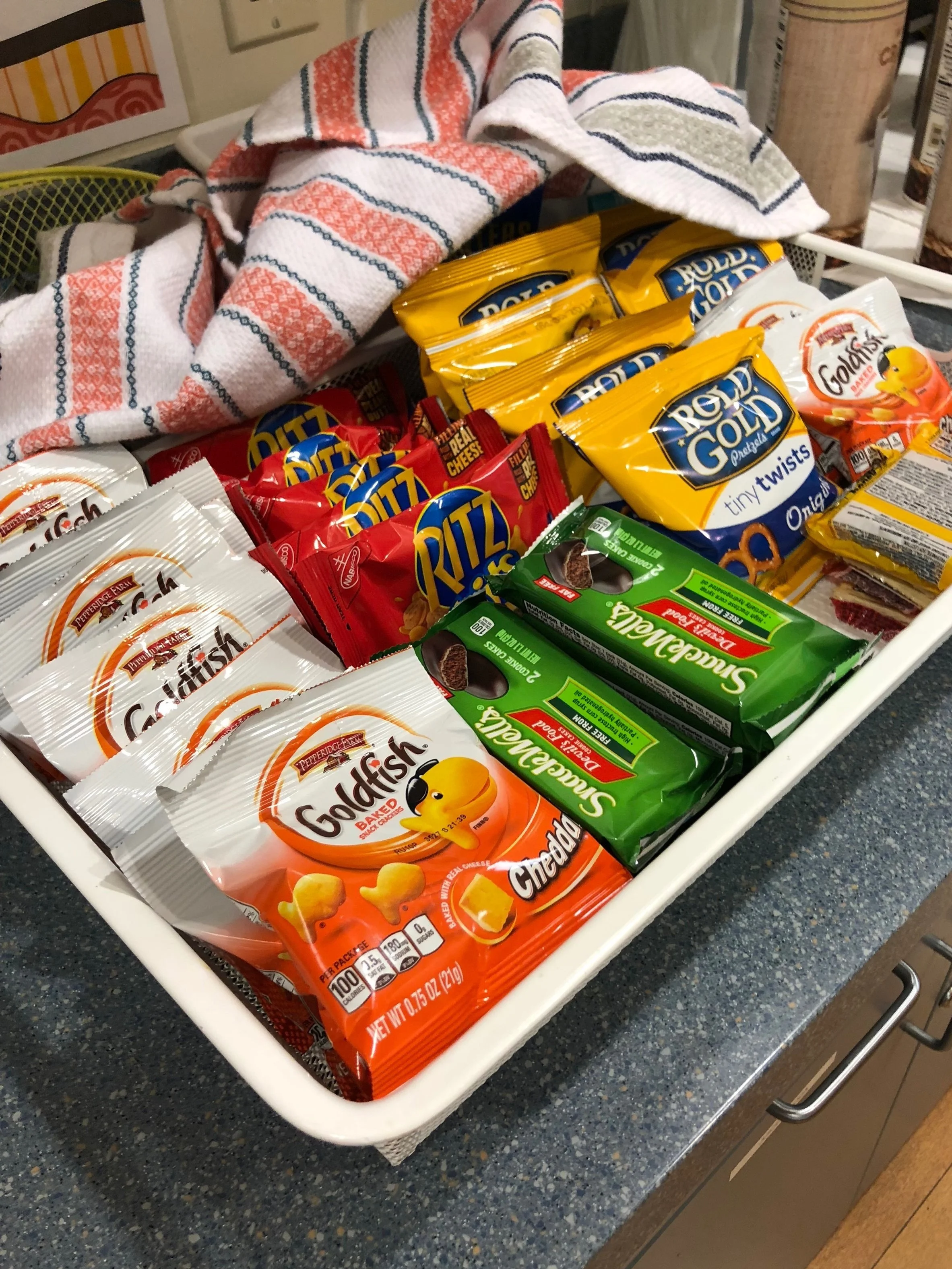
You know nutrition is a blind spot when you are offered ultra-processed snacks in the chemo room. I took this photo at Joel’s first chemotherapy session.
THE NUTRITION BLIND SPOT
I was sad and confused by what I saw during chemotherapy sessions at the hospital. Patients were eating fast food, and even more concerning to me were the ultra-processed and packaged snacks being served.
The reason for this blind spot with food and cancer is that mainstream medicine doesn’t focus on the relationship between nutrition and disease. Unfortunately, in the traditional cancer world, there is more emphasis on treatment than prevention.
According to a 2015 study, only 27% of U.S. medical schools offered the recommended 25 hours of nutrition education, and much of that education focused on biochemistry rather than practical information about diet and food-related decision-making. https://pubmed.ncbi.nlm.nih.gov/25785680/
be proactive about your diet & lifestyle
Oncologists do not take time to analyze the diet and lifestyle of each patient. They tend to prescribe a one-size-fits-all approach to treatment. The treatment recommendation for one patient may not be best for someone with the identical type of cancer.
That’s why patients have to be proactive about diet and lifestyle.
One of the best ways to do this is to adopt a whole-food, plant-based (WFPB) diet. Thousands of studies show that the more fruits and vegetables consumed, the greater the decrease in the risk of cancer and other diseases. There are a variety of reasons for this, including less inflammation, healthier immune function, and much more.
STEP #2 VEGGIES IN

“The news isn’t that fruits and vegetables are good for you. It’s that they are so good for you they could save your life.”
Make a batch of my daily soup every 3-4 days and consume at least 4 cups per day. Visit Julie’s Kitchen page for my soup recipe and much more.
FLOOD YOUR BODY WITH FRUITS AND VEGETABLES
In 2015, the CDC stated that “only 1 in 10 adults consume enough fruits and vegetables daily.” Aim for at least 10 servings—about the size of a fist—each day. This is the minimum recommendation; if you have cancer, eat even more.
In 2017, Imperial College London conducted a meta-analysis of research involving up to two million people worldwide. The researchers found that consuming 10 servings of fruits and vegetables per day was associated with a 13% reduced risk of total cancer and a 31% reduced risk of premature death.https://www.imperial.ac.uk/news/177778/eating-more-fruits-vegetables-prevent-millions/
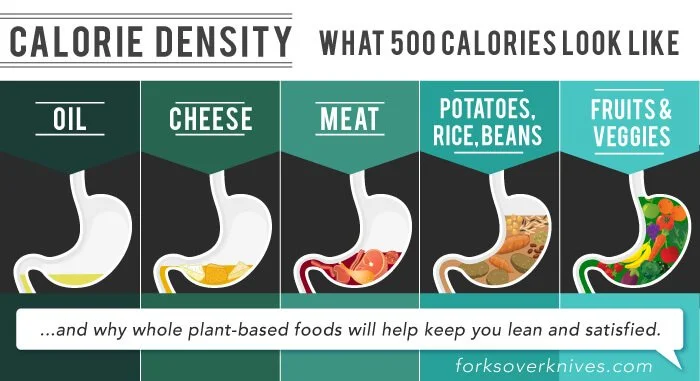
A good rule of thumb is to keep your stomach full of vegetables—but eat fruit too! Many cancer patients avoid fruit because of its higher sugar content compared with vegetables, but in doing so, they miss out on important vitamins, minerals, fiber, antioxidants, and other cancer-fighting nutrients that support good health.
MAKE FRUITS & VEGETABLES EASY
I’ve found many ways to flood my body with fruits and vegetables throughout the day—smoothies, salads, soups, snacks, and a whole-food supplement called Juice Plus. Visit Julie’s Kitchen page. This page offers in-depth details about prepping food, simple solutions to eating well, my favorite recipes, and shopping lists.
Fruits and Veggies Protect

When a cut apple turns brown, it has undergone oxidative stress. Lemon juice contains antioxidant phytochemicals and slows down the aging process.
(Image from MedicineNet)
THE PROBLEM: OXIDATIVE STRESS
The reason I focus on eating so many fruits and vegetables is because of oxidative stress. Oxidative stress occurs when there is an imbalance between free radicals and the body's ability to counteract them. Free radicals are unstable molecules produced naturally during metabolism and aging. When free radicals accumulate, they can damage cells, proteins, and DNA and contribute to the development of disease over time. https://www.medicinenet.com/what_does_oxidative_stress_mean/article.htm
We all experience oxidative stress as part of normal life, but certain factors can increase it, including an unhealthy diet, smoking, stress, and environmental exposures. https://www.sciencedirect.com/topics/engineering/oxidative-damage
THE SOLUTION: ANTIOXIDANT PHYTOCHEMICALS
The good news is that fruits and vegetables contain antioxidant phytochemicals, also called phytonutrients. The Greek word phyto means plant.
A review published in Molecules explains that antioxidant phytochemicals found in foods and medicinal plants have antioxidant and free-radical-scavenging abilities, as well as anti-inflammatory properties. These compounds have been studied for their potential role in protecting against chronic diseases associated with oxidative stress. https://www.ncbi.nlm.nih.gov/pmc/articles/PMC6331972/
Scientists have identified thousands of phytochemicals in plant foods. I have read estimates of 25,000 to over 130,000, which indicates that scientists continue to uncover more. These plant compounds occur naturally in fruits, vegetables, whole grains, legumes, nuts, and seeds and work together in complex ways within the body.
EAT THE RAINBOW
Different plant foods provide different phytochemicals, which is one reason variety is so important:
Anthocyanins — berries
Bioflavonoids — citrus and whole grains
Carotenoids — carrots and other colorful vegetables
Ellagic acid — berries and walnuts
Sulforaphane — broccoli sprouts and cruciferous vegetables
This is why it is so important to eat the “rainbow.” https://www.ncbi.nlm.nih.gov/pmc/articles/PMC9135406/
A WFPB diet has 50-60 times more antioxidant phytochemicals available to protect the cells from free radicals. Research continues to demonstrate the relationship between diets rich in fruits and vegetables, antioxidant intake, and oxidative stress.
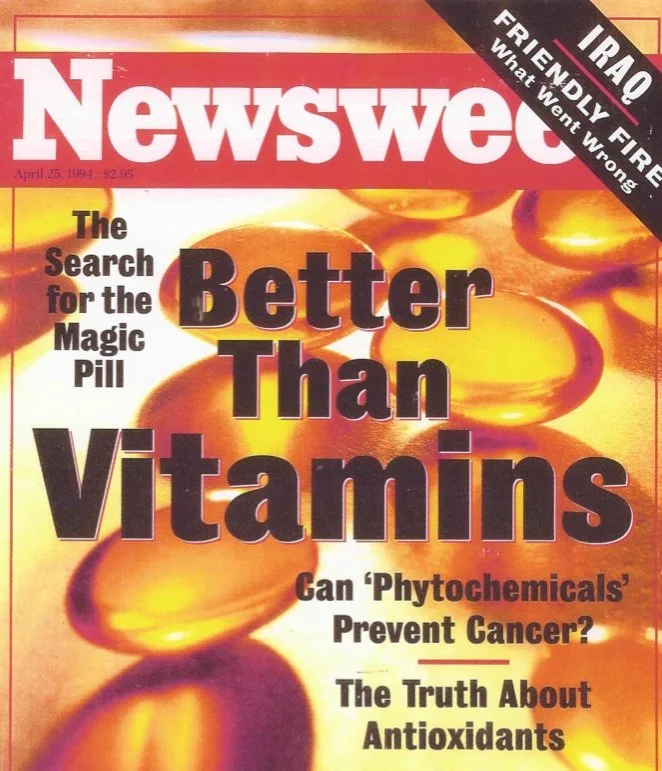
In 1994, Newsweek published an article bringing plant nutrients to the forefront.
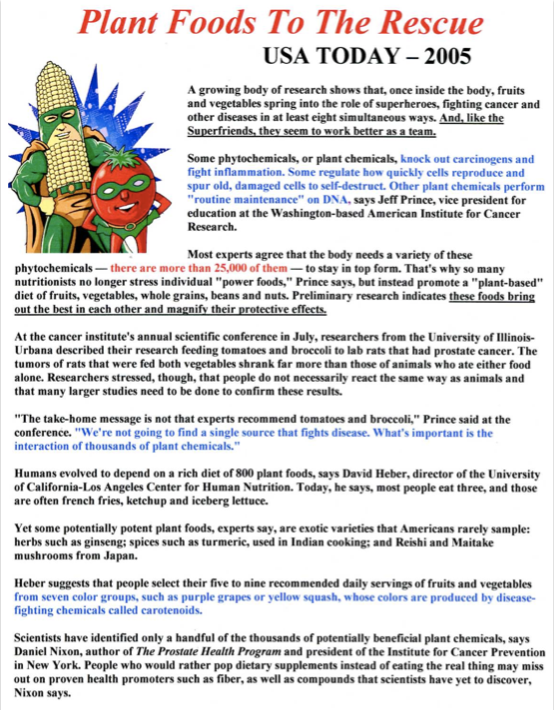
“A growing body of research shows that, once inside the body, fruits and vegetables spring into the role of superheroes, fighting cancer and other diseases in at least eight simultaneous ways.”
PLANT FOODS TO THE RESCUE
In 1999, I began to understand the power of plant foods. I knew fruits and vegetables were important, but I didn't yet understand oxidative stress and antioxidant phytochemicals. This knowledge can be especially motivating for someone facing cancer because it helps explain why eating plenty of plants is so important.
Whole plant foods contain compounds that can help protect cells and influence biological processes involved in cancer development. I often wonder what might have been different if I hadn't changed my diet more than 20 years before cancer.
I have often shared a 2005 USA Today article called Plant Foods to the Rescue when encouraging young parents to feed their children more fruits and vegetables. As a young mom, I was fascinated by its description of fruits and vegetables acting like “superheroes” inside the body—plant compounds working together in different ways, including fighting inflammation, interacting with carcinogens, regulating cell growth, and helping protect DNA.Because of that article, I actually taught my own children that there are superheroes in whole foods! :)
I still love that picture today. It gives me confidence knowing that the whole plant foods I eat each day are working on my behalf inside my body.
THE TRUTH ABOUT SUPPLEMENTS
An apple alone may contain more than 10,000 phytochemicals. But to receive the benefits of these compounds working together, we need to eat the whole food. Extracting a handful of phytochemicals and putting them into a supplement does not provide the same combination found naturally in the apple.
According to the Linus Pauling Institute:
“Eating a diet high in fruits, vegetables, grains, legumes, and plant-based beverages has long-term health benefits, but there is no evidence that taking dietary supplements of non-nutrient phytochemicals extracted from plants similarly benefits health.” https://lpi.oregonstate.edu/mic/dietary-factors/phytochemicals
WHOLE FOODS FIRST
Whole plant foods provide nutrients together with thousands of naturally occurring plant compounds. For example, spinach, kale, and collard greens contain calcium along with vitamins, minerals, fiber, and phytochemicals. Calcium supplements don't provide this same whole-food package. Research has also raised concerns about calcium supplementation, including possible associations with colon polyps and cardiovascular events. https://pubmed.ncbi.nlm.nih.gov/15199111/ https://pubmed.ncbi.nlm.nih.gov/28466573/
KALE: A VEGETABLE VITAMIN PILL
The Moss Report describes kale as a “vegetable vitamin pill.” A four-ounce serving provides significant amounts of vitamins A, C, K, and B6, as well as folate and manganese. Kale also provides additional vitamins and minerals—including calcium, potassium, and phosphorus—and contains compounds involved in the formation of sulforaphane.
The point is simple: whole plant foods deliver an incredible variety of nutrients and phytochemicals together, in the form nature provides them.
-

In the Bible, Daniel and his friends opted to consume vegetables and water for ten days, instead of the king's food and wine. "And in every matter of wisdom and understanding, he found them ten times better than all the magicians in his kingdom." Daniel 1:20
-
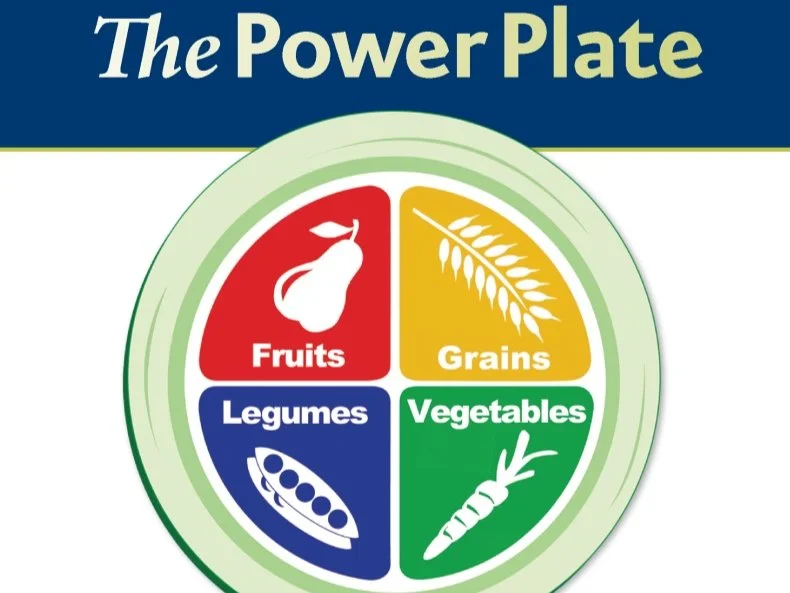
In 1991, PCRM (Physicians Committee for Responsible Medicine) unveiled four new food groups, a healthful alternative to the USDA’s food pyramid. Lawsuits followed in an effort to change guidelines. Learn more at pcrm.org.
-
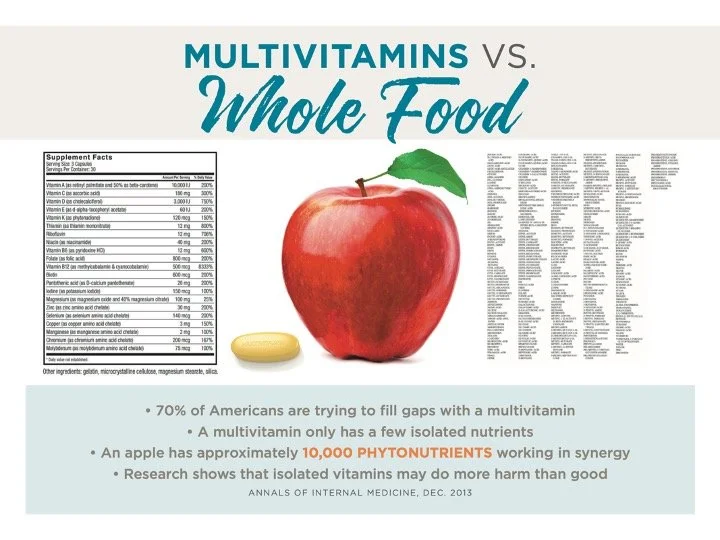
Our bodies are designed to utilize the thousands of nutrients that come from whole foods, not the megadoses of isolated, fragmented, vitamins from a synthetic vitamin pill. There is not a one-size-fits-all supplement regimen.
A Deeper Dive
A Deeper Dive
A DEEPER DIVE: Carbohydrates and Fiber

CARBS 70-80%
An optimal diet should be comprised of 70-80% carbohydrates. The word carbohydrate comes from the three elements they are made of: carbon, oxygen, and hydrogen (carb-o-hydrate). Understanding carbohydrates is so important for everyone, but especially for cancer patients because eating good carbs is the key to a healthy, plant-based diet that is sustainable.
Dr. John McDougall, MD in his book, The Starch Solution, explains that it is important to make the bulk of your diet fruits and vegetables. It is impossible to consume enough fruits and vegetables to sustain your body, unless you’re getting enough starchy plant foods. These foods are high in fiber and densely nutritious.
Common starchy plant foods include:
Grains: barley, buckwheat, farro, millet, oats, quinoa, rice (brown, red, wild, etc.), rye, sorghum, and wheat.
Beans or legumes: beans (black, pinto, etc.), chickpeas, lentils, peas, pumpkin seeds, and walnuts.
Starchy vegetables: carrots, corn, Jerusalem artichokes, parsnips, plantains, potatoes, salsify, winter squashes (acorn, banana, butternut, Hubbard), and yams.
Non-starchy plant foods are extremely important, but alone they cannot provide enough calories to sustain a WFPB diet. They won’t keep you satiated on their own.
Common non-starchy plant foods include:
Vegetables: bok choy, broccoli, Brussels sprouts, cabbage, cauliflower, celery, chives, collard greens, eggplant, garlic, green beans, kale, leeks, lettuce, mustard greens, okra, onions, pepper, radishes, rhubarb, scallions, spinach, summer squashes, turnips, and zucchini.
Fruits: apples, apricots, bananas berries, cherries, figs, grapefruit, grapes, loquats, mangoes, melons, nectarines, oranges, papayes, peaches, persimmons, pineapples, plums, tangerines, and watermelons.
As a society, we have been convinced that starch makes people fat, but this is false. Dr. McDougall dispels the myth that starches cause weight gain. Starches (from plant foods) do not turn to sugar, which turn to fat, making you gain weight. If this were true, there would be an epidemic of obesity among other countries who eat copious amounts of starches in their diets. Asians live on rice-based diets; rural Mexicans eat corn, beans, and squash; central Papua New Guineans are nourished primarily by sweet potatoes; and rural Africans thrive on starchy staples such as yams, cassava, millet, and beans. Not only do these populations not have obesity issues, but they have low rates of other diseases, including cancer. Interestingly, when these populations move to the U.S., they adopt our standard American diet and subsequently experience obesity. Processed starchy foods and starchy foods containing added fat do cause weight gain — for example, potatoes that are fried in oil or topped with butter and sour cream.
Eating a diet rich in starchy foods creates satiety. It is important to eat both starchy and non-starchy carbohydrates. Understanding how to choose the right carbs is key!
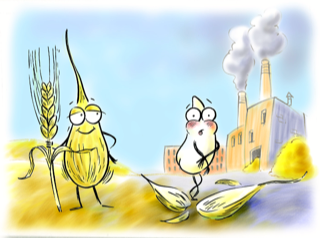
The plant vs. THE PLANT
When it comes to eating well, the plant matters. Manufacturing plants have made carbs a dirty word! They have taken nourishing plant foods (like whole grains) and stripped them of their fiber, over-processing them into something unrecognizable to the body. A bulk of the American diet contains these refined plants that are slowly destroying our health.
Simple carbohydrates is a term that describes these manufactured plants because they contain little to no fiber and are made from short, simple molecules. On the other hand, complex carbohydrates come from whole plant foods, and they have naturally occurring long, complex molecule chains, making them high in fiber and low in fat. Complex carbs should be the main staple in a healthy plant-based diet. Choosing whole grains over refined grains may be association with cancer recurrence and mortality. https://pubmed.ncbi.nlm.nih.gov/29877501/
SIMPLE CARBS
Are prominent in the American diet due to the overconsumption of cakes, candy, cookies, pastries, juice, soda, white rice, white bread, and white pasta.
Enter the blood stream very quickly causing an immediate spike in blood sugar, then an energy crash soon after, causing disorders and diseases such as diabetes, heart disease, and cancer.
Sugar suppresses the immune system, and building immunity is the key to overcoming cancer.
COMPLEX CARBS
Are the main constituent of plants — in the roots, stems, leaves, flowers, and fruits.
Enter the blood stream slowly because the sugar is accompanied by adequate fiber. This takes more work for the body to digest, resulting in the food having a less dramatic impact on your body’s blood sugar. This gives you sustained energy over a longer period of time.
Examples include: fresh, whole fruits and vegetables, beans, nuts, seeds, and whole grains, like brown rice.
Whole grains are an example of a good carb. Many Americans are eating gluten free, which some have misunderstood to mean grain free. Gastroenterologist Dr. Will Bulsiewicz in his book, Fiber Fueled, emphasizes that the only people who need to avoid whole grains are those with celiac disease. Whole grains are loaded with fiber as well as vitamins, minerals, and antioxidants which help to promote a healthy gut microbiota. Visit the Gut Health page to learn more.
When selecting boxed and packaged foods, choose minimally processed options of cereals, breads, and pasta. According to Michael Greger, MD, you should use the 5-to-1 Fiber Rule to choose better packaged foods.
Calculation: Take the grams of carbohydrates and divide by the grams of fiber. If the answer is close to 5, that food contains more fiber and is better for your blood sugar. For example, if a package contains 25 grams of total carbohydrates and 5 grams of fiber, then the answer is 5, and that product is more complex. Ezekiel sprouted grain bread makes the cut: 15 divided by 3 equals 5. https://nutritionfacts.org/2018/05/08/follow-the-5-to-1-rule-for-packaged-foods/
FIBER 25-45 grams
Fiber is the blindspot for most people when it comes to thinking that carbs are bad. The difference between simple and complex is the amount of fiber, which determines whether the carb is unhealthy or healthy. Fiber is a good carbohydrate found in fruits, vegetables, whole grains, and legumes.
People often look at a food label and decide that a packaged food is bad because it contains 20 grams of carbohydrates. But they fail to look at the subcategory of fiber. If the grams of fiber are 5 after using the calculation above, then the food is complex. Yet if there is only 1 gram of fiber in the food, it is simple.
On a food label, fiber is broken down into soluble and insoluble — two types of fiber in plants. The sound of the words reminds me of the difference: “soluble” fiber “sops” up cholesterol, while “insoluble” scrubs the “intestines.”
SOLUBLE AND INSOLUBLE fiber
Soluble fiber is found in fruits, vegetables, legumes, barley, oats, oat cereals, and oat bran. (An example is the white of the apple.)
Insoluble fiber is found in whole grains like rice, whole wheat, wheat bran, millet, corn meal, and buckwheat. (An example is the skin of the apple.)
EATING ENOUGH FIBER
If you’re looking for fiber in other foods besides plants, you’re looking in the wrong place. Animal products, such as meat and dairy products, do not contain any fiber. Plants are where you find fiber. In spite of the amazing benefits of a high fiber diet, 97% of Americans are not getting enough fiber, because they’re not eating enough plants. The average American adult eats 10-15 grams of fiber, whereas the Recommended Daily Allowance (RDA) established by the federal government is at least 25 grams per day. Most nutritionists recommend 35 grams per day. However, in countries where cancer rates are lowest, they consume more than 45 grams per day.
High-fiber, plant-based diets result in reduced risk of cancer, better response to cancer treatments, less inflammation, and a feeling of fullness with fewer calories consumed — resulting in optimal weight maintenance. For instance, eating 40 grams of fiber daily, an average person would feel full at 1,620 calories.
Below is a list of research articles that support increasing fiber in the diet in order to decrease cancer risk, recurrence, and even promote a better response to cancer treatment:
Cancer risk was reduced when daily intake of dietary fiber was between 25 grams and 29 grams. https://www.thelancet.com/journals/lancet/article/PIIS0140-6736(18)31809-9/fulltext
A high-fiber diet reduces the risk of colon cancer, as shown in these studies: https://pubmed.ncbi.nlm.nih.gov/10089109/ https://pubmed.ncbi.nlm.nih.gov/1334153/ https://pubmed.ncbi.nlm.nih.gov/29098294/
Every 10-gram increase in soluble fiber consumption was associated with a 26% decrease in the risk of developing breast cancer. The greatest risk reduction occurred when fiber intake was higher than 25 grams per day. The researchers also suggested that adequate fiber intake can reduce risk of overweight/obesity, another risk factor for cancer. https://pubmed.ncbi.nlm.nih.gov/22234738/
Women who eat a diet with inadequate fiber are at risk of having estrogen reabsorbed in the intestinal tract, rather than excreting the excess estrogen in their feces. If the gut is unhealthy, it floods the body with too much estrogen. This contributes to higher blood levels of estrogen, which is also a risk factor for breast cancer. Women are supposed to break down excess estrogen each day and excrete it in bowel movements; they can achieve this with a low-fat, high-fiber, plant-based diet. https://pubmed.ncbi.nlm.nih.gov/3628202/
A high fiber diet reduces inflammation by interacting with gut bacteria. https://pubmed.ncbi.nlm.nih.gov/23319119/
People who reported higher fiber intake (which promotes healthy gut microbes) had better responses to treatment overall. After adjusting for other factors, the researchers found that every five-gram increase in daily fiber intake corresponded to a 30% lower risk of cancer progression or death. https://pubmed.ncbi.nlm.nih.gov/34941392/
Getting at least 25 grams of fiber is easily achievable on a plant-based diet when a bulk of your diet is coming from starchy vegetables (potatoes, squash, corn, and whole grains). These foods are high in fiber, promote healthy digestion, and provide satiety. You will probably consume more like 50 grams per day when you eat a WFPB diet, as described above.
Acceptable Sweeteners
I use Medjool dates as a sweetener in many recipes. Here are some plant-based sweeteners that I have learned are the most acceptable for cancer patients. I always look for organic versions of these.
BLACKSTRAP MOLASSES
Blackstrap molasses is what is left over from the sugar-refining process. It is full of concentrated vitamins and minerals that were once in the cane sugar, and it is a good, natural source of calcium, iron, potassium, and vitamin B6.
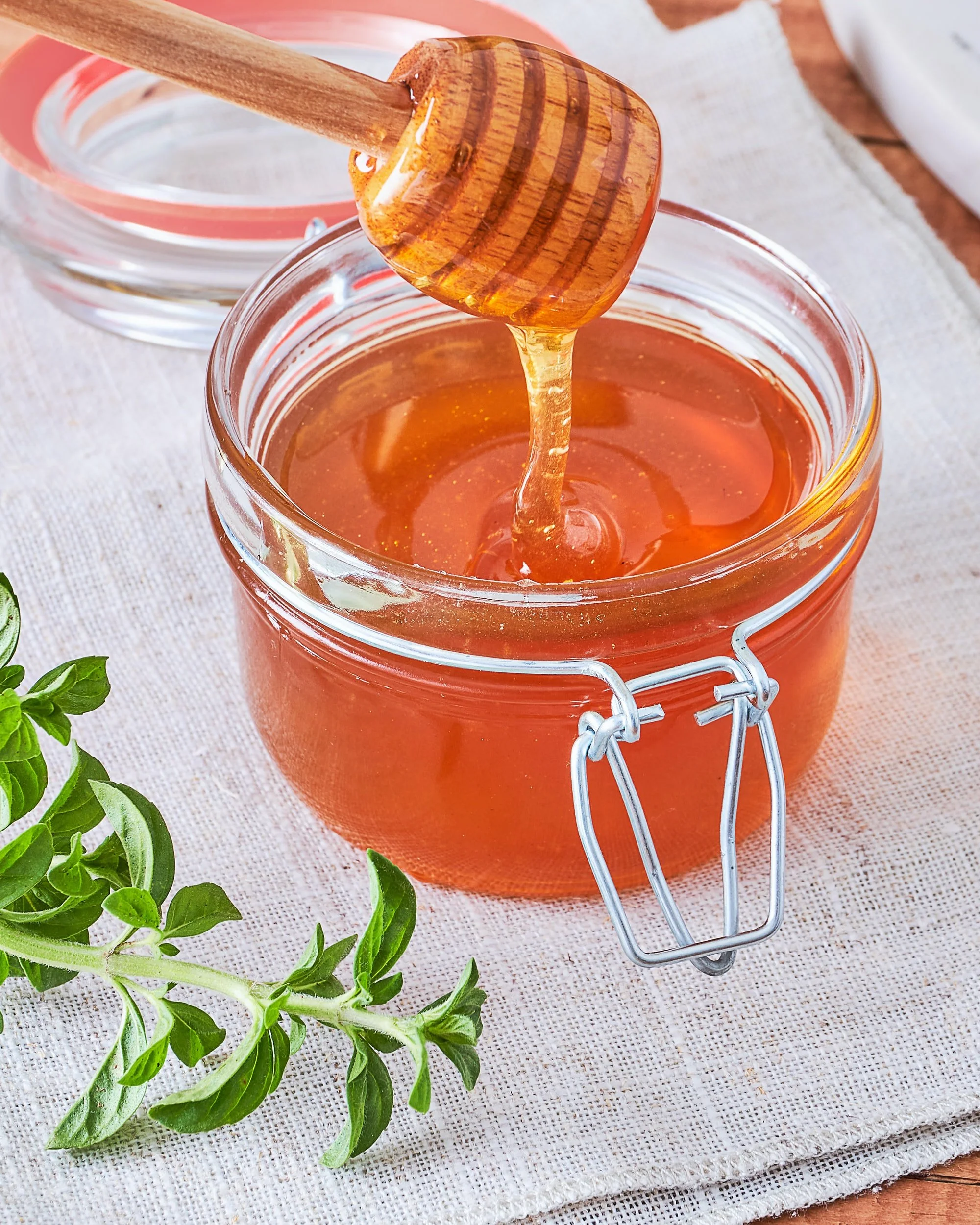
HONEY
Purchase honey that is100% raw and local.
MAPLE SYRUP
Purchase maple syrup that is 100% pure. (The darker the color, the more antioxidants it contains.)
MONK FRUIT
Monk fruit comes from a small green melon, native to southern China.
STEVIA
Stevia comes from a small shrub native to Paraguay and has been used for over 1,500 years as a non-caloric sweetener in drinks, cereals, oatmeal, and smoothies. Stevia is non-toxic and nutrient-rich; it contains calcium, phosphorus, sodium, magnesium, zinc, vitamins A and C, and over 100 phytonutrients. A word of caution — some stevia products contain added ingredients, so be sure to purchase pure stevia. There are also some unhealthy products on the market being touted as healthy just because they contain stevia . . . so beware!
OTHER SWEETENERS
Other sweeteners that are acceptable and less hazardous on blood glucose levels include fructose, fruit juice concentrate, barley malt, sorghum molasses, Sucanat, maltitol, xylitol, and tagatose.

Watch this video to learn more about the harmful effects of sugar. https://sugarwars.com
UNACCEPTABLE SWEETENERS
Avoid the following highly processed, high-glycemic sweeteners.
white and brown sugar
corn syrup and rice syrup
date sugar
glucose, dextrose, turbinado
lactose or milk sugar
aspartame and Splenda (artificial sweeteners)
A DEEPER DIVE: Protein
PROTEIN 10%
Animal protein vs. plant protein
T. Colin Campbell, Ph.D., author of many books including The China Study, is an important nutrition researcher. Early in his career, he encouraged people to eat meat, milk, and eggs; he thought this American diet was the best in the world. He even grew up on a dairy farm. It was later while working in the Philippines helping to feed undernourished children with high-quality animal protein that Dr. Campbell made a shocking discovery: “In this project . . . I uncovered a dark secret. Children who ate the highest-protein diets were the ones most likely to get liver cancer!” The test group that consumed <10% protein daily was the group with the lowest rates of disease.
T. Colin Campbell also wrote The Future of Nutrition, and in Chapter 5 he challenges the cult of animal protein, “We have let our fear of protein deficiency cloud our judgment.” He explains that research does not support the protein myths that are being perpetuated in our society today. If you are eating a plant-based diet, you should be getting plenty of essential amino acids.
Dr. John McDougall corrected the American Heart Association’s incorrect claim that a vegetarian diet provides insufficient protein, saying, “The reason it is important to correct this misinformation is that many people are afraid to follow healthful, pure vegetarian diets - they worry about ‘incomplete proteins’ from plant sources. A vegetarian diet based on any single one or combination of these unprocessed starches (eg, rice, corn, potatoes, beans), with the addition of vegetables and fruits, supplies all the protein, amino acids, essential fats, minerals, and vitamins (with the exception of vitamin B12) necessary for excellent health. To wrongly suggest that people need to eat animal protein for nutrients will encourage them to add foods that are known to contribute to heart disease, diabetes, obesity, and many forms of cancer, to name just a few common problems.” https://www.ahajournals.org/doi/10.1161/01.cir.0000018905.97677.1f
THE RISKS OF TOO MUCH PROTEIN
The Paleo diet calls for 20-40% of calories from meat. Many credible scientific studies have linked regular consumption of meat, especially red meat, to many types of cancer. In many cases, this is due to the use of antibiotics, artificial and growth hormones, pesticides, grain-fed as opposed to grass-fed animals, and farm-raised rather than wild-caught fish.
A high protein diet increases acidity, inflammation, liver toxicity, bowel transit time, and cancer risk. A high-protein diet, even from plant sources, should be avoided. Because while plant protein does not have the same cancer-promoting effect as animal protein, it still contains nitrogen, which can damage the kidneys and liver. When protein comprises >10% of your diet, health issues may develop. Dr. Pam Popper, Executive Director of Wellness Forum Health, says, “the body does not store protein, which means that it must be used or converted into energy. During the storage process, nitrogen is released from the amino acid chains. Nitrogen produces toxic by-products like ammonia and urea, which must be filtered through the liver and kidneys before being excreted in urine. Over time, overconsumption of protein damages these organs and other tissues. During digestion, the sulfur-containing amino acids found in protein (mainly concentrated in animal protein) also create sulfuric acid, which can cause bone loss, since calcium is released from the bones to be used as a buffer in order to keep blood pH within normal range.”
IGF-1 (INSULIN GROWTH FACTOR)
There is one well-researched reason cancer patients should get their protein from plant sources and lower their overall intake, and that is because of IGF-1 (Insulin-like growth factor 1).IGF-1 is a hormone that increases the risk of many forms of cancer. A lower level of IGF-1 is associated with longer survival for cancer patients. The foods you eat can have a profound effect on the circulating blood level of IGF-1. Animal foods, particularly dairy, contribute to a higher level, while eating a diet rich in plant foods lowers IGF-1. IGF-1 level increases during childhood, reaches peak concentration at adolescence, and then decreases through the rest of life. The primary function is to stimulate growth of cells and tissues in the body, but IGF-1 also has some effect on decreasing blood glucose level, although it is far less powerful than insulin. The role of IGF-1 in cancer development has been known for some time. Studies have shown a relationship between higher IGF-1 level and breast, colorectal, lung, thyroid, bone, brain, and ovarian cancers. A lower level of IGF-1 is associated with longer survival for cancer patients and people in general, as demonstrated in these studies.
https://pubmed.ncbi.nlm.nih.gov/24618355/ https://pubmed.ncbi.nlm.nih.gov/24606898/ https://pubmed.ncbi.nlm.nih.gov/23185474/ https://pubmed.ncbi.nlm.nih.gov/25314053/
Other studies have confirmed that milk and whey protein intake increases the IGF-1 level significantly. https://pubmed.ncbi.nlm.nih.gov/19746296/https://pubmed.ncbi.nlm.nih.gov/21590739/
Research shows that mice eating a high-protein, low-carb diet had a shortened life span and poor health. Even after tumors appeared, lower protein intake slowed growth. https://www.ncbi.nlm.nih.gov/pmc/articles/PMC3988204/

I love the example of an elephant, who is strictly vegan but weighs hundreds of pounds. It is possible to grow a strong body with adequate protein from plants.
EATING ENOUGH PROTEIN AS A VEGAN
If you choose to adopt a vegan diet, you can eat adequate amounts of protein. In The Starch Solution, Dr. McDougall says, “You don’t need to eat foods from animals to have enough protein in your diet. Plant protein alone can provide enough of the essential and non-essential amino acids, as long as sources of dietary protein are varied and caloric intake is high enough to meet energy needs. Whole grains, legumes, vegetables, seeds, and nuts all contain both essential and non-essential amino acids.” All populations in the world that live the longest eat some version of a plant-based diet. The Okinawans in Japan are some of the longest-living people in the world, and they get most of their calories from rice and yams. Their diets consist of 7% protein per day. They also consume a couple of servings of soy foods daily.
So, what does 10% of total calories from protein look like?
1500 calorie diet = 150 calories or 40 grams
2000 calorie diet = 200 calories or 50 grams
2500 calorie diet = 250 calories or 60 grams
I found a plant-based protein list online. This will give you an idea of foods that you can eat to achieve consumption of 60 grams daily. https://ordinaryvegan.net/wp-content/uploads/2013/03/ProteinChart-copy.jpg
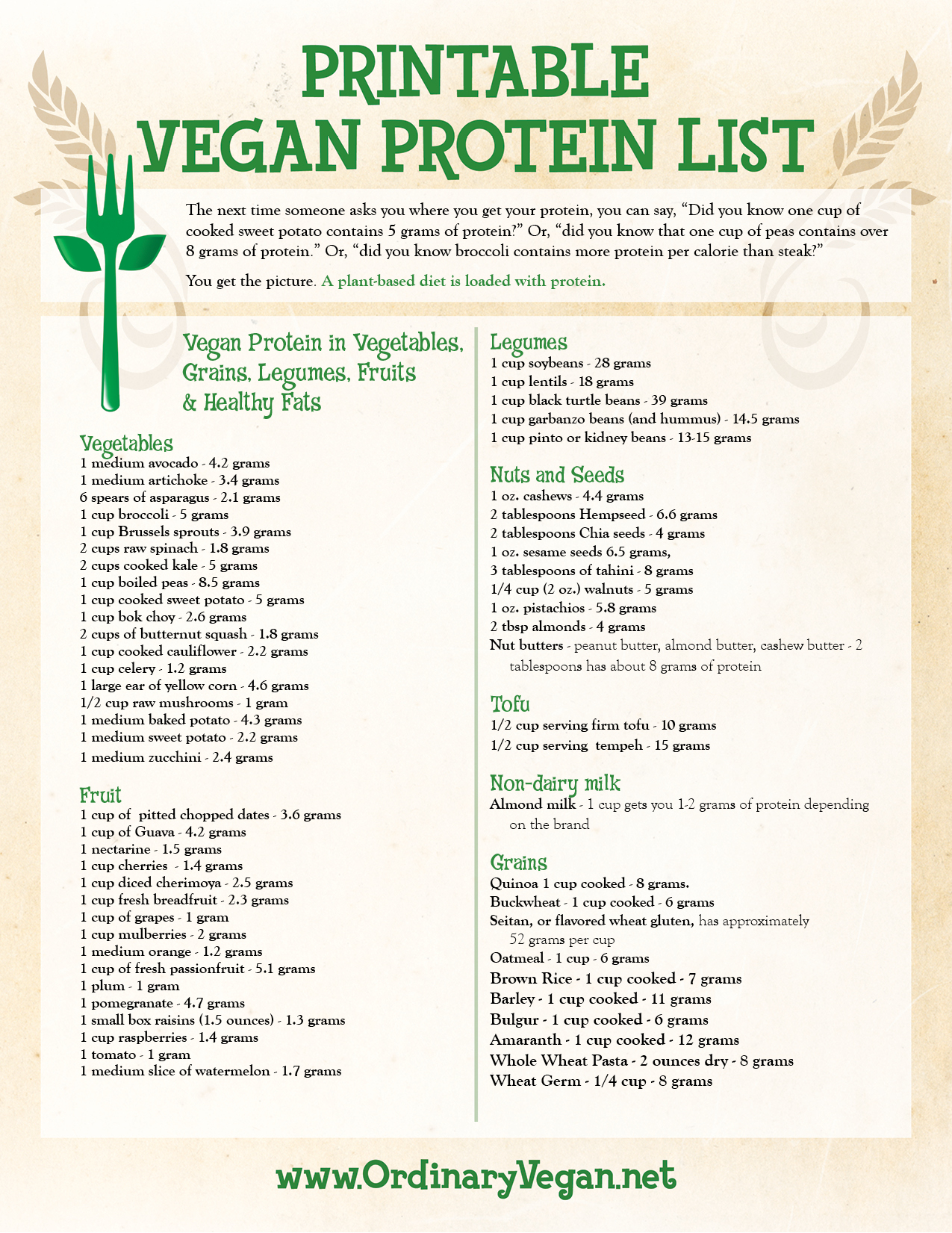
Here is an example of what achieving 60g of plant-based protein in a day can look like:
1 tablespoon chia seeds (2g) + 1 cup almond milk (2g) + 1 cup raspberries (2g) + ¼ cup walnuts (5g) + 2 cups raw spinach (2g) + 1 cup cooked sweet potato (5g) + 1 cup celery (1g) + 1 cup raw mushrooms (2g) + 1 cup broccoli (5g) + 1 cup cooked brown rice (7g) + 1 cup cooked lentils (18g) + 1 avocado (4g) + ¼ cup walnuts (5g).
Here is a typical day of my eating plan (with protein calculated):
20g - Breakfast smoothie made with a variety of nutrient-dense foods.
10g - Sprouted dry cereal with raisins, almond milk, and topped with spices (cinnamon, ginger, nutmeg, and cloves).
10g - Salad with vegetables, sprouts, etc., and topped with an oil-free dressing like balsamic vinegar; and hummus with crackers.
8g - Bowl of soup containing starchy and non-starchy vegetables.
10g - Brown rice and steamed vegetables.
1g - Bowl of fresh berries.
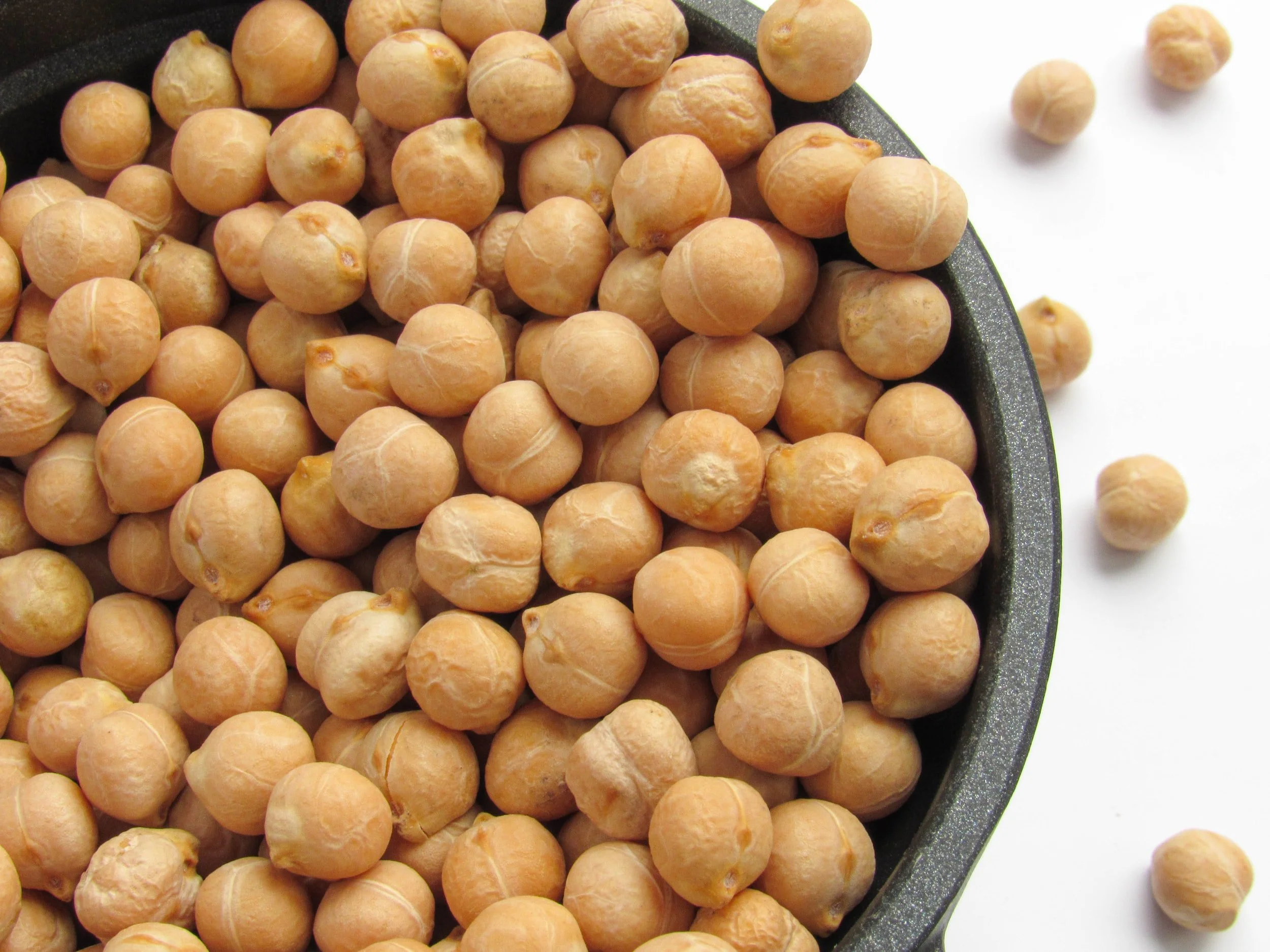
understanding amino acids
Proteins are made up of chains of amino acids. Plants use energy from the sun and substances from the soil to build amino acids. These amino acids are the building blocks of plant cells. There is controversy over the exact number of amino acids — some say 20 and some 22. The total number isn't as important as the "essential" aminos. There are 8-10 essential amino acids. Essential means they come from food, so we must eat them to get them. Animal foods contain all eight, while plants do not. This has caused confusion over whether a vegan diet can provide enough protein.
Dr. Frank Sabatino teaches that if you look closely at the claims that a plant-based diet is not able to provide enough protein, it is because plants have lower amounts of three amino acids (leucine, cysteine, and methionine), and animals are much higher in these three amino acids. This discrepancy causes critics to argue that plants alone won't provide enough of these nutrients. Here is the interesting part — the body is NOT supposed to get high amounts of these three aminos because each can create problems for the body if eaten in high amounts. According to Dr. Sabatino, leucine has growth factors which can feed certain types of cancers; cysteine converts to homocysteine, and if this is too high it can cause cardiovascular problems; methionine is an amino that cancer depends on to feed its growth, so we definitely want to avoid high levels.
Even body builders can benefit greatly from eating a vegan diet, although they do need to eat more on a vegan diet to consume enough calories since plant foods contain fewer calories than animal foods.
Thankfully, plants have the perfect make up of amino acids! Does this mean you can never eat meat? No. But meat should be eaten in moderation, especially if you have cancer.
Plants vs. Animals
Here’s an interesting comparison of protein content of plants vs. animals. These percentages are from the National Agricultural Library.
Plant Protein
Spinach 57%
Asparagus 51%
Broccoli 42%
Black Beans 26%
Oatmeal 14.5%
Animal Protein
Hamburger 37%
Skim Milk 37%
Egg 34%
Cheese 25%

FATS 15%
Limiting fat to 15% of daily calories is a great goal. A low-fat diet is key for anyone with cancer! I am amazed at all of the studies showing that a low-fat diet can slow down and prevent cancer. According to MD Anderson Cancer Center, “If you are insulin resistant, you are more likely to create fat cells and not be able to break down fat cells. The resulting weight gain, inflammation, and hormone disruptions raise your risk for up to 13 types of cancer.”
Although we need fat in our diets, most people consume way too much fat and, as a result, end up with serious health conditions, such as heart disease and cancer. Animal foods and even some plant foods such as avocados, nuts, and seeds can cause an overabundance of fat in the diet. Use higher-fat plant foods such as avocado slices or a handful of cashews as part of a recipe, but not as the main part of the meal. Eat a small handful of nuts rather than a huge bowl. Try to avoid using concentrated oils; these are pure liquid fat and are extremely high in calories. Unlike starchy carbohydrate foods, fat foods leave you hungry and contain excessive amounts of saturated fat. This is where a lot of vegans and vegetarians go wrong — they consume way too much fat from nuts, processed oils, or even other high-fat foods like sour cream and salad dressing.
If we do consume a little oil, it is olive oil. A meta-analysis of 45 studies shows some benefit for cancer. However, many of these studies were done through self-reporting which can result in subjects incorrectly reporting olive oil intake, and may not account for the consumption of other food groups such as fruits and vegetables. https://pubmed.ncbi.nlm.nih.gov/35015763/
Here is Dr. Pam Popper’s opinion on this systematic review and meta-analysis of olive oil. https://rumble.com/v2ld12y-does-olive-oil-reduce-the-risk-of-cancer.html
A DEEPER DIVE: Fats
I met an oncologist who believed that the epidemic of obesity was why he was seeing so many people in their forties and fifties with cancer. Another doctor said, “Fat is a poison-carrier,” and explained that excess weight causes cancer to grow and spread more easily. Losing excess weight after a diagnosis may be life-saving. Fat is not only a poison-carrier, but excess fat pumps unhealthy hormones throughout the body. https://www.ncbi.nlm.nih.gov/pmc/articles/PMC3807693/
Some fad diets promote eating 30% fat — mostly from meat and dairy. We all know that too much fat can wreak havoc on the body in many ways, but we are often unaware that it also causes high blood sugar. Excess fat causes insulin resistance, which is something all cancer patients want to avoid. Adopting a low-fat diet after a cancer diagnosis can improve survival odds.
A study in 2017 analyzed women diagnosed with breast cancer and followed them for 16 years. Those who consumed a low-fat diet (20% or less of calories from fat) had significantly lower risk of dying of breast cancer than women who ate a higher-fat diet. The 49,000 women in this study also increased their intake of fruits, vegetables, and whole grains. https://www.ncbi.nlm.nih.gov/pmc/articles/PMC5578391/
A 2003 study concluded that fat intake, mainly from red meat and high-fat dairy foods, during premenopausal years is associated with an increased risk of cancer. https://pubmed.ncbi.nlm.nih.gov/12865454/
Another study showed that eating a lower-fat diet decreased estradiol levels. Estradiol can contribute to higher estrogen levels and an increased risk of breast cancer. https://pubmed.ncbi.nlm.nih.gov/3480374/
Another problem with a high-fat diet is its impact on the immune system.
Saturated fat negatively impacted neutrophils (the most abundant type of white blood cell in the human body). https://pubmed.ncbi.nlm.nih.gov/175217/
A diet containing excess fat can lower immune function. https://pubmed.ncbi.nlm.nih.gov/116537/
Fats are a source of stored energy in the body. It is a vital component of our diet, but we can easily get our daily intake of fat from plants — even romaine lettuce contains fat. I try to focus on consuming fat exclusively in whole-food form because I have learned that when fat is cooked it becomes damaged. Avocado, nuts, nut butters, seeds, coconut milk (unsweetened), whole grains, and dark leafy greens all have fat!

TYPES OF FATS
Even though we generally consider unsaturated fat as “good fat” and saturated fat as “bad fat,” T. Colin Campbell, in The Future of Nutrition, clarifies that there is, “a direct relationship between total dietary fat intake and age-adjusted death rates for breast cancer (total fat includes both saturated and unsaturated fat).”
Unsaturated
Unsaturated fat is liquid at room temperature and usually associated with plant foods.
Examples are canola oil, olive oil, and safflower oil.
There are two types of unsaturated fat:
Monounsaturated
Polyunsaturated
Omega-3
Omega-6
Saturated
Saturated fat is solid at room temperature, and is usually associated with animal foods.
Examples are butter, milk, eggs, meat, and fish.
Trans Fats
If you see “partially hydrogenated oils” on a package, step away from the package and no one will get hurt! :)
These are vegetable oils that have been heated and combined with hydrogen molecules; this process turns the oils into trans-fats, which are harmful to the body.
Manufacturers add trans-fats to crackers, cookies, and other baked goods to preserve the shelf life.
ESSENTIAL FATS: Omega-3 and Omega-6
You can get dietary fat from plants!
There are two essential fatty acids, omega-3 and -6, that cannot be made by the body and must be obtained from the food we eat. The higher the number, the more saturated the fat, so omega-6 are higher than omega-3. Omega-3s are known as the healthier fats, and they play many important roles in the body, like reducing inflammation. Yet this is the healthier fat that most Americans are missing in their diets.
Various acids found in plant foods are converted to omega-3 and omega-6 fatty acids through a complex chain. These essential fatty acid nutrients act very differently in whole food form than from an isolated supplement. We can see this demonstrated in the omega-3 and omega-6 conversion processes.
Many of the longest-living populations in the world (The Blue Zones, Dan Buettner) eat a 100% plant and fish-based diet. They limit fish to 2-3 times per week, avoiding high-mercury fish like tuna, swordfish, mackerel, and halibut. Instead, they choose salmon, sardines, anchovies, cod, sea bream, trout, clams, and shrimp, which are all high in B12 and omega-3 and -6 fats.
Liquid fats (oils) have 4,000 calories per pound, and they have been shown to increase inflammation, so I have chosen to eliminate oils from my diet. It took some practice, but it is easier now! Butter was a hard one to eliminate, until I started toasting the bread with avocado (instead of butter) and adding tomato slices and a little nutritional yeast. You can also put avocado on baked potatoes, or even add an oil-free salad dressing on potatoes, salads, and other vegetables. Even though we need healthy fats, too much dietary fat from any source (even healthy fat) has the potential to be a powerful cancer promoter. https://pubmed.ncbi.nlm.nih.gov/2012020/

Omega-3 conversion process - ALA and SDA are like gold in the body and these come from plants.
Omega 3
The omega-3 chain begins with ALA (alpha-linolenic acid), which converts to SDA (stearidonic acid). Both come from plants and are anti-inflammatory. These are like gold in the body! Interestingly, animals do not provide these first two prominent links in the chain (ALA and SDA).
The chain continues: SDA converts to ETA (eicosatetraenoic acid), which converts to EPA (eicosapentaenoic acid), which converts to DPA (docosapentaenoic acid), which converts to DHA (docosahexaenoic acid).
You probably recognize DHA because it is sold as a supplement, but here's the interesting thing — too much DHA messes up the production chain. All of a sudden, EPA piles up and won't convert to DPA, causing the conversion chain to break down. Too much EPA can cause high blood pressure. This is why an isolated, mega-dosed supplement can be harmful.
We need to eat a plant-rich diet so there is plenty of ALA to feed the chain for effective conversion. Omega-3 fats are found in things like dark leafy greens, chia and flax seeds, whole soy foods, and walnuts. Fish don't make omega-3s. It is the plants they eat in the ocean that cause them to have omega-3s.
Omega 6
The omega-6 chain begins with LA (linoleic acid), which converts to GLA (gamma-linolenic acid). Both come from plants and are anti-inflammatory. Once again, animals do not provide these first two links in the chain (LA and GLA).
But as the chain continues, it gets more inflammatory because the elements can come from both plants and animals.
When the elements come from animal sources, the omega-6 is pro-inflammatory.
Most people get omega-6 fats primarily from animal sources and not enough from plants.
Sources of omega-6 are olives, coconut, avocados, flaxseeds, and walnuts, but they are also found in oils (like corn, cottonseed, and sunflower), meat, dairy, and more.
Too much omega-6 can prevent the utilization of omega-3 and leads to health issues.
Omega Supplementation
Testing your omega-3 status is difficult with a blood test because omegas are stored in tissue. Still, many Americans take a fish oil supplement. However, fish oils do not reduce inflammation. https://pubmed.ncbi.nlm.nih.gov/26497831/
In a study published in the American Journal of Clinical Nutrition, vegans and vegetarians who don’t eat fish may be better at converting ALA from plant foods into long-chain EPA, and DHA than people who consume fish and/or take fish oil supplements. The bodies of the plant-eaters were not only more efficient at converting ALA to EPA to DHA, but the omega-3 level of ALA, EPA, and DHA were nearly the same in both groups. In conclusion, the non-fish eaters performed very well in the study and were not deficient in EPA and DHA. https://pubmed.ncbi.nlm.nih.gov/20861171/
A ketogenic diet is a high-fat, low-carbohydrate diet and can be effective for some types of cancer. Instead of using carbs as fuel, this diet forces the body to use stored fat and and ketones for energy. This process is called ketosis.
It is highly recommended to do a ketogenic diet under the guidance of an expert. In order to do this diet safely, ketone levels must be measured several times per day, and the positive effect may only be possible if your body remains in ketosis. Atkins and Paleo diets are not considered ketogenic.
Only cells with normal mitochondria can use ketones for energy. Cancer cells cannot use ketones without glucose or glutamine. Increasing ketones and decreasing glucose can starve cancer cells and feed normal cells. This is the key to using a keto diet for cancer. No existing cancer treatment does this. According to research conducted by Gabriele D. Mauer, MD in 2011, “Even in the presence of oxygen, malignant cells often highly depend on glycolysis for energy generation, a phenomenon known as the Warburg effect. One strategy targeting this metabolic phenotype is glucose restriction by administration of a high-fat, low-carbohydrate (ketogenic) diet. Under these conditions, ketone bodies are generated, serving as an important energy source at least for non-transformed [normal] cells.” This diet has come to the forefront today with the publication of similar research. https://pubmed.ncbi.nlm.nih.gov/21791085/
Here are just a few examples of what foods can be included in the keto diet:
Animal Protein
Nuts - two ounces per day.
Avocados, olives, and some oils, like coconut and olive oil.
Non-starchy vegetables - asparagus, broccoli, cabbage, celery, etc.
Fruit - very limited fruit - for example, a handful of berries in a smoothie or a few slices of apple.
the Ketogenic Diet
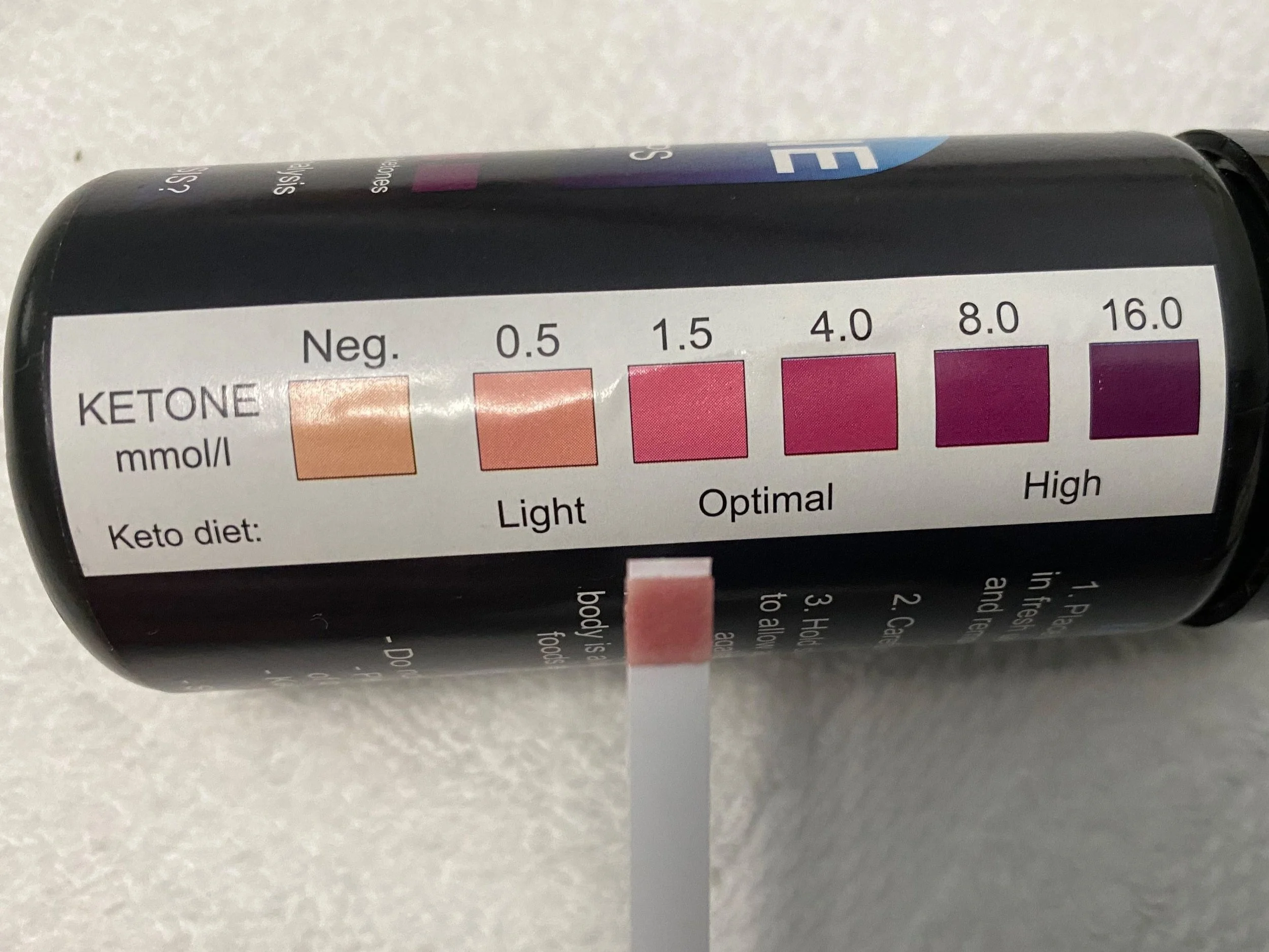
In order to do this diet safely, use ketone levels must be measured several times per day, and the positive effect may only be possible if your body remains in ketosis.
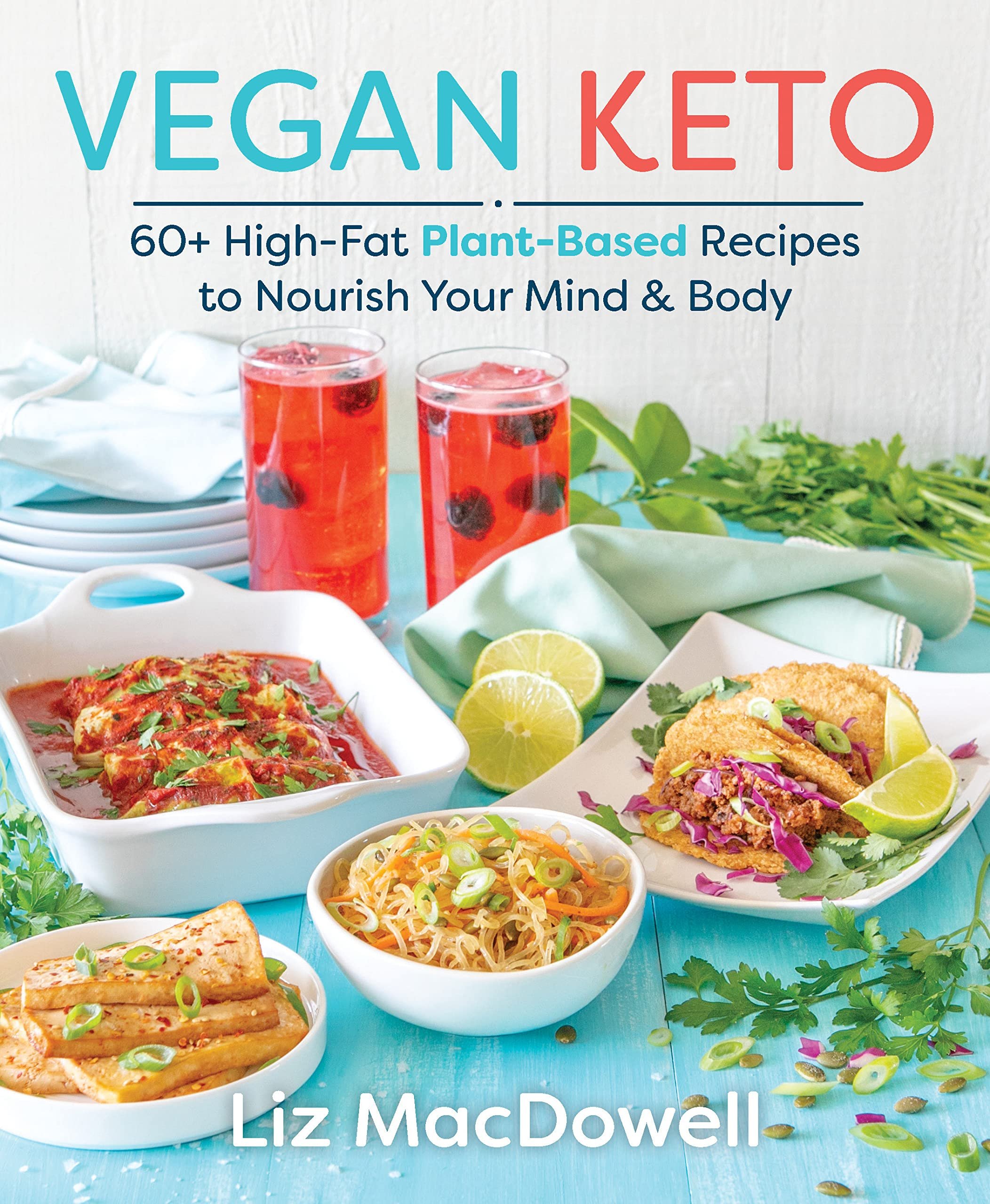
Joel and I were encouraged to try a vegan ketogenic diet by one of our CAM doctors. We bought a cookbook and gave it a shot, but it was not easy! We gave up after about a month, because neither of us felt good.
"The Paleo diet excludes all grains and we know that whole grains are a fantastic source of resistant starch and many other fermentable fibres that are vital to the health of your gut microbiome," Dr Genoni said. https://speciality.medicaldialogues.in/paleo-diet-may-increase-risk-of-heart-disease-european-journal-of-nutrition
Research shows that the Paleo and ketogenic diets shift the microbiome away from health and toward disease. The animal-based diets cause inflammatory bacteria to increase in the gut. Yes, you can lose weight and look great on the outside, but you can be harming your body on the inside. It’s short-term gain and long-term pain. https://link.springer.com/article/10.1007/s00394-019-02036-y
KETOSIS THROUGH WATER-ONLY FASTING
I do believe in the concept of ketosis, especially through water-only fasting. I have done two medically supervised, water-only fasts. Water fasting under the guidance of a trained physician has been proven to be safe and effective for improving many health conditions — including cancer, especially advanced cancers.
When less energy is being used to eat, digest, and process food, more energy is available for healing and repair. After a few days of water fasting, your body switches from burning glucose for energy to burning fat (ketosis). During ketosis, autophagy occurs, which is the removal of damaged cells and the regeneration of new, healthier cells. “Auto” means self and “phagy” means eat. Many cells, including cancer cells, may have difficulty adapting during this process and could become weaker. At the same time, brand new immune cells emerge, giving your body an immune system reset or recharge.
This kind of fast entails consuming only water (no food) for a period of time, even up to 40 days. Not everyone is a candidate. Visit the Treatment page and read “Water Fasting Experiences” to learn more.
JULIE’S KITCHEN
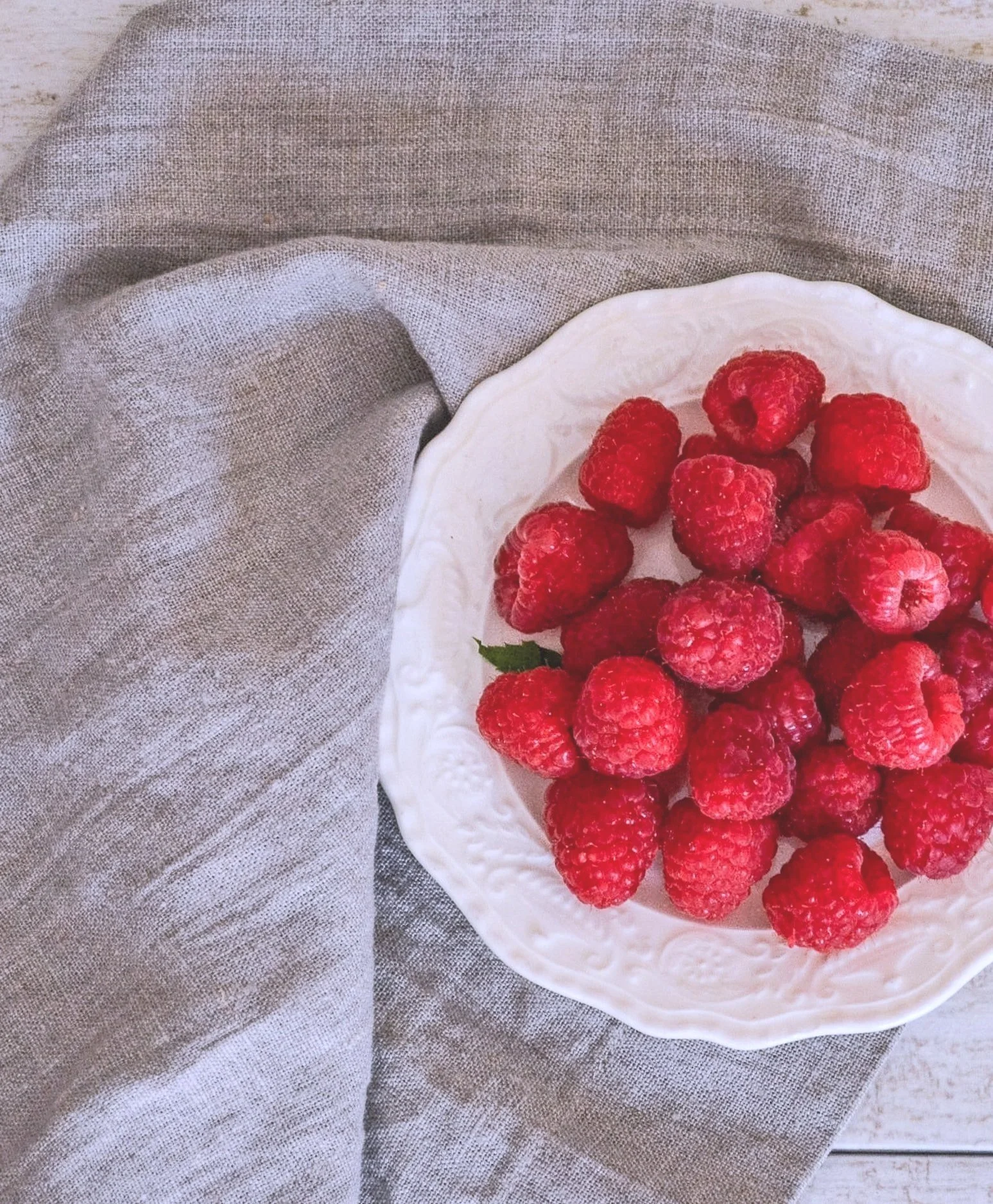
Your kitchen can be your most valuable healing tool!
Learn how I set up my kitchen to make shopping, prepping, and healthy eating simple.
Next Up...
Hydrate
Our bodies are made up of mostly water. It makes sense that we must replenish that water each day to keep our system functioning properly. We drink at least 64 ounces of filtered water each day, and more if we exercise or sweat. Every morning we each fill large containers of water that we keep with us throughout the day.