

Cancer To-Do List
INVESTIGATE
FIND answers through testing
You have probably already experienced a variety of testing—initial tests, scans, bloodwork, imaging, follow-up tests, and the list goes on. Once you get through the initial testing and have a clearer understanding of your diagnosis, you may want to look more closely at your overall health and any underlying conditions that could affect your treatment, recovery, or well-being.
Work with your medical team to assess your overall health through appropriate testing. Depending on your individual needs, testing may identify issues related to digestion, cardiovascular health, hormone function, nutritional deficiencies, musculoskeletal health, immune function, or inflammation. Identifying and addressing these issues may help your body function as well as possible throughout treatment and recovery.
-
Learn about common imaging tests and ways to manage the anxiety that can come with testing.
-
Assess underlying health factors and identify areas you may be able to improve.
-
Understand common and specialized blood tests that can help assess and monitor your health.
-
Learn about blood markers that may help monitor certain cancers and treatment response.
-
Tests that look for genes, proteins, or other characteristics of cancer that may help guide treatment and predict how the cancer may behave.
-
Blood tests that look for cancer cells or tumor DNA circulating in the bloodstream and may help provide information about cancer and treatment.
-
Learn how inherited genetic testing can identify variants that may increase your risk for certain cancers.
-
Understand how hormone testing can help assess hormone levels and guide care.
Once you have the big picture of your situation—including your diagnosis, overall health, and treatment plan—it’s time to move forward with a plan of action. Do this with confidence, and try not to let the numerous tests you may undergo take you on an emotional roller coaster. Rather than allowing the result of a single test to control your emotions, step back and look at the bigger picture. Ask your medical team what the results mean when considered alongside your other tests, symptoms, medical history, and trends over time.
Regardless of your test results, stay committed to a healthy lifestyle. Testing can provide valuable information, but it cannot replace the daily habits that support your overall health.
Before you review this page, I want to acknowledge that bloodwork, scans, and other diagnostic tests can make you feel out of control and invite you to worry. Remember that no single test tells the whole story. Results often need to be interpreted in the context of other findings and sometimes followed over time.
Pray, take one step at a time, and focus on building a strong daily routine of basic health habits. That is something you can control!
Every three months for the first five years, Joel picked up his chocolate drink to prepare for a CT scan as part of his cancer surveillance. Unfortunately, in the months and weeks leading up to each test, there was always some “scanxiety.” We thought we had made up that word, but apparently it is quite popular—and we understand why! Learning you have cancer can come as such a shock that you may feel on edge for quite some time. As follow-up tests roll around every few months, the scanxiety may set in. Eventually, you may become a little desensitized to it . . . well, kind of. :)
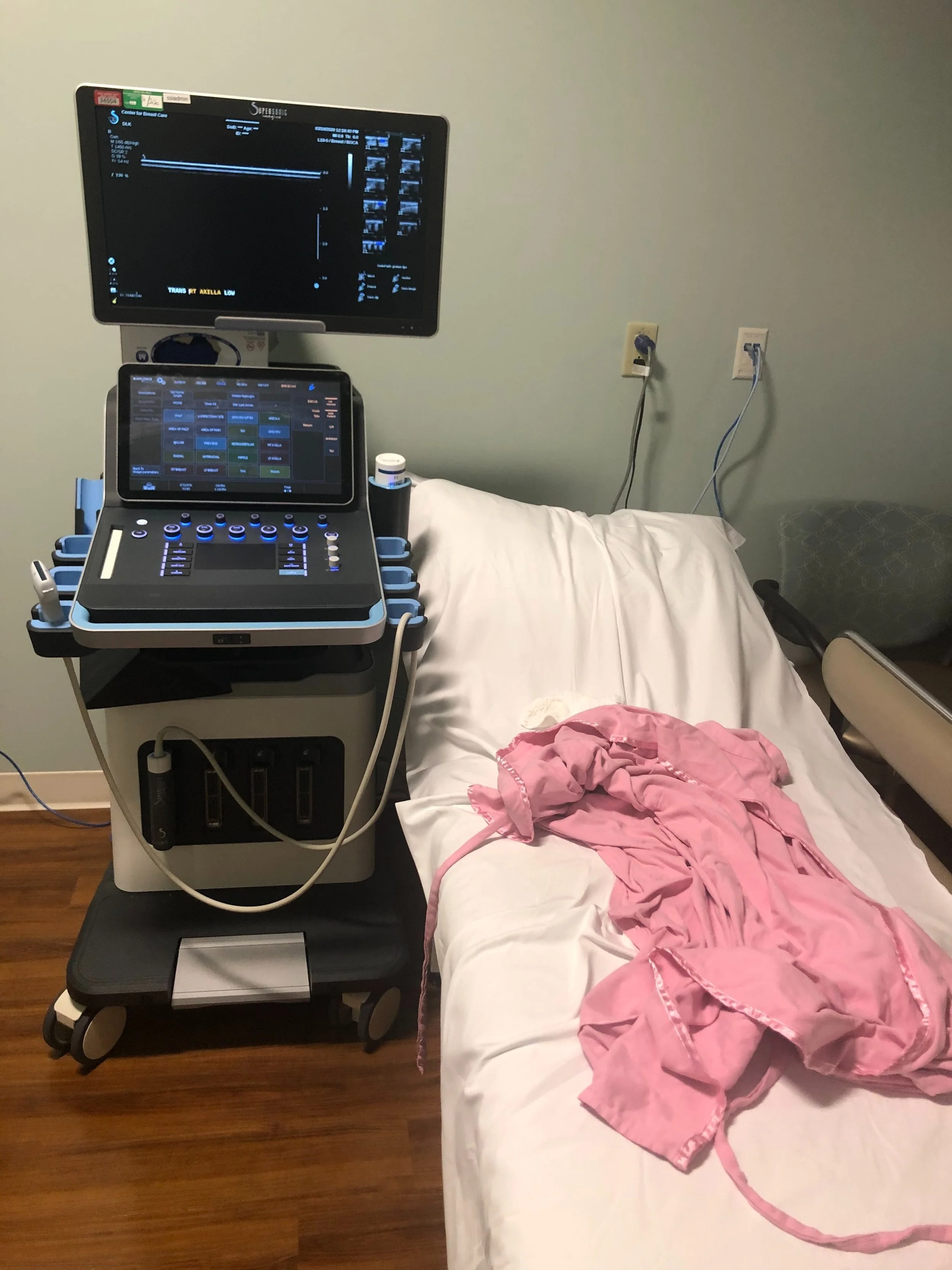
Over the course of my journey, my oncologist ordered several ultrasounds to evaluate lumps she found under my arms. The first one was a little disconcerting, but I became less anxious with each subsequent test.
Another oncologist recommended that I have a PET scan once a year as part of my follow-up care, but after considering the recommendation, I decided against it. This was a personal decision, and I am not recommending it as a course of action for anyone else. Follow-up testing and surveillance are individualized based on the type and stage of cancer, treatments received, symptoms, and other risk factors, so these decisions should be discussed with your medical team.
Joel and I also met a dear friend on our journey who had stage 4 head and neck cancer. He experienced extreme scanxiety and eventually decided to discontinue his scans. The anxiety surrounding each scan had become overwhelming for him, and he reached a point where he no longer wanted to continue.
Everyone responds differently to follow-up tests depending on personality, circumstances, and faith. For me, two things have helped tremendously with the anxiety surrounding tests and with making thoughtful decisions about my follow-up care: 1) my commitment to a daily routine of basic health habits, and 2) leaning on the Lord Jesus Christ and trusting Him with the things I cannot control.
One thing I have learned is that I don't have to let a test result steal today's peace. I can take appropriate steps to care for my health while trusting God with my future.
Below are some of the most commonly used medical tests and procedures.
Scanxiety & Imaging


X-RAys
X-rays were the first form of medical diagnostic imaging and remain one of the most commonly used imaging tests today. They use a small amount of ionizing radiation to create images of structures inside the body. X-rays are especially useful for viewing bones and the chest, including the lungs, and can help identify fractures, infections, blockages, and other abnormalities.
Ct scan
A CT (computed tomography) scan uses a series of X-ray images taken from different angles around the body and computer processing to create detailed cross-sectional images, or “slices,” of structures inside the body.
CT scans expose the body to more ionizing radiation than standard X-rays, although the amount varies depending on the type of scan. In cancer care, CT scans can be extremely valuable for locating tumors, determining whether cancer has spread, planning treatment, and monitoring treatment or recurrence. https://www.cancer.gov/about-cancer/diagnosis-staging/ct-scans-fact-sheet
Even though there are risks of radiation, the CT scan is quite common and was the best option for Joel's follow-up, because CT scans see specifics in the body more accurately than an MRI or other tests. https://www.consumerreports.org/cro/magazine/2015/01/the-surprising-dangers-of-ct-sans-and-x-rays/index.htm
Mri
MRI (magnetic resonance imaging) uses a powerful magnetic field, radio waves, and a computer to create detailed images of organs and tissues inside the body. Unlike X-rays and CT scans, MRI does not use ionizing radiation. If your doctor offers an MRI instead of CT scan, take it! There is a big difference between the two in terms of radiation exposure. An MRI does not involve any ionizing radiation, but instead relies on giant magnets to get a good look at an area of the body. I have had breast and brain MRIs. MRI can be particularly useful for examining soft tissues and certain areas of the body, including the brain, spinal cord, breasts, and other organs.
My Experience: I have had both breast and brain MRIs.
Pet scan
A PET (positron emission tomography) scan is an imaging test that provides information about the metabolic activity of tissues and organs. A small amount of a radioactive tracer is administered before the scan. The most commonly used tracer in cancer imaging is FDG, a radioactive form of glucose. According to the Mayo Clinic, “Cancer cells show up as bright spots on PET scans because they have a higher metabolic rate than do normal cells . . . PET scans must be interpreted carefully because noncancerous conditions can look like cancer, and some cancers do not appear on PET scans.” Even though a PET scan is not exact, it can often detect cancer before the disease shows up on other imaging tests, such as CT (computerized tomography) and MRI (magnetic resonance imaging).
My Experience: My oncologist called the PET scan a "truckload of radiation" and she seldomly uses this test due to the harmful effect to the body.
Ultrasound
A diagnostic ultrasound, also called sonography or diagnostic medical sonography, is an imaging method that uses high-frequency sound waves to produce images of structures within your body. The images can provide valuable information for diagnosing and treating a variety of diseases and conditions. Ultrasounds are generally considered very safe, non-invasive, diagnostic procedures.
COLONOSCOPY
A colonoscopy is an internal exam to detect changes or abnormalities inside the large intestine (colon) and rectum. In one study, complete colonoscopy was strongly associated with fewer deaths from left-sided colon cancer, but not from right-sided. https://pubmed.ncbi.nlm.nih.gov/19075198/ https://pubmed.ncbi.nlm.nih.gov/36214590/
Here is some information regarding screening data on colonoscopies: https://pubmed.ncbi.nlm.nih.gov/11678550/
Joel’s Experience: Joel had not yet had a screening colonoscopy when he was diagnosed with left-sided colon cancer. He had completed a stool-based screening test the year before his diagnosis, which came back normal. This experience taught us that no screening test detects every cancer. Following his cancer treatment, Joel's doctors recommended regular surveillance colonoscopies based on his individual history.
Pap Smear
A Pap (Papanicolaou) smear, also called a Pap test, is a procedure to test for cervical cancer in women. A Pap smear involves collecting cells from your cervix — the lower, narrow end of your uterus that sits at the top of your vagina. A Cornell cytologist, named George Papanicolaou, discovered this test to find precursor cells in asymptomatic women so they could receive treatment for pre-cervical cancer. However, Gilbert Welch, M.D., in his book Should I Be Tested for Cancer, explains that "atypical squamous cells of unknown significance (ASCUS) and squamous intraepithelial lesion (SIL) almost never become cervical cancer and a positive result is more likely to be a false positive than to be cancer." A study in Sweden showed that women whose cervical cancers were found by a Pap smear had a 92% cure rate. https://pubmed.ncbi.nlm.nih.gov/18445828/
Mammogram
A mammogram is an X-ray image of the breast. This procedure exposes the breasts to radiation. Doctors use mammograms to look for early signs of breast cancer. However, mammograms miss about 1 in 8 breast cancers and have limitations. https://www.cancer.org/cancer/breast-cancer/screening-tests-and-early-detection/mammograms/limitations-of-mammograms.html
3D mammography (also called called breast tomosynthesis) is an FDA-approved, advanced technology that takes multiple X-rays of breast tissue to recreate a 3-dimensional picture of the breast. Traditional mammography obtains just a single image.
My cancer center, Christine E. Lynn Women’s Health & Wellness Institute, says “There’s no wonder in our BRA (Breast Risk Assessment).” They encourage women to ask themselves these questions to assess risk of breast cancer:
Have you ever been told you have high breast density?
Do you have breast implants?
Have you had a benign breast biopsy?
Have you had prior radiation to the chest area?
Do you have a personal or family history of ovarian, colon, or breast cancer?
Is there a history of breast cancer among your mother, father, brother, or sister, or at least two other close relatives?
Have you ever taken oral contraceptives, or hormone therapy after menopause?
Did you get your first menstrual period before 12 years of age?
Did you have your first child after age 30, or have you never been pregnant?
Here is some information regarding screening data on breast cancer:
https://pubmed.ncbi.nlm.nih.gov/11684218/ https://pubmed.ncbi.nlm.nih.gov/24380095/ https://pubmed.ncbi.nlm.nih.gov/24519768/
THERMOGRAPHY
Thermography is a test that uses an infrared camera to detect heat patterns and blood flow in the body. The test can be done on the entire body or just part of the body. This procedure is not invasive and does not use radiation.
Surprisingly, when I asked my CAM doctors about the validity of this test as a cancer detection tool, the response was the same with all of them, and not inspiring. I was told there is a high false-positive rate, which means results may be indicative of disease that isn't actually present. Thermography screens for cancer by detecting temperature differences in the breast. Cancer cells and tumors are warmer, but cancer is not the only reason for heat differences that are detected. Exercise, inflammation, large breasts, obesity, hormonal changes due to menstrual cycles, etc. can contribute to inaccurate readings.
These same doctors were also not fans of mammograms due to radiation. Here is Dr. Pam Popper’s opinion on both mammography and thermography, as well as her answer to reduce your risk of cancer with diet and lifestyle changes. https://www.youtube.com/watch?v=axxc6bVb33s
https://rumble.com/v2tpwz0-updated-guidelines-regarding-mammograms.html
https://rumble.com/v2v6kyu-more-about-mammograms.html
I had thermography done several times leading up to my diagnosis because I had high breast density so I did thermography alongside mammograms. Each time, my results were normal. I have done thermography three times since my diagnosis and I had normal results each time.

Above are images from one of my thermography tests. My results were normal. I was told that the red areas may indicate inflammation but not necessarily.
Breast Self Exams
It is wise to do regular breast self exams and teach your daughters to do them as well.
Unfortunately, a mammogram was not how I learned I had cancer. I had a routine mammogram each year. I was told every year that I had fibrocystic breasts and that I was at higher risk of developing breast cancer. As a result, they recommended a yearly diagnostic mammogram, which is a mammogram followed by an ultrasound. My mammogram, just ten months prior to my diagnosis, was “normal.” I found the lump in my breast between my yearly mammograms (which is usually how women find their breast cancer.) The lump felt like a frozen pea, which I quickly learned was more concerning than a soft, movable lump. A hard lump is more indicative of cancer.
I was shocked to learn that these fast-growing tumors are often the most aggressive. “Breast cancers that are first detectable in the interval between screening mammograms are more likely to be aggressive, fast-growing tumors,” according to a study published in the Journal of the National Cancer Institute. https://www.sciencedaily.com/releases/2011/05/110503161405.htm
Either they missed the tumor on my last mammogram, or the tumor may have grown within the ten-month period. One of my doctors called it an "angry tumor."
Below is an excerpt from my mammogram results showing I had "Category 5" findings, which means there is a 97% chance of malignancy.

-
December 2018
After Joel finished treatment, I went for my annual mammogram feeling unsettled. My sister sent me this: “It’s so difficult to learn, but it’s really about relinquishing control. There are things in this life that are out of our hands. Those are the times when we have to picture ourselves lying face down, prostrate before the Lord in complete surrender. When things are out of our hands, guess what? They are in HIS!” AMEN!
-
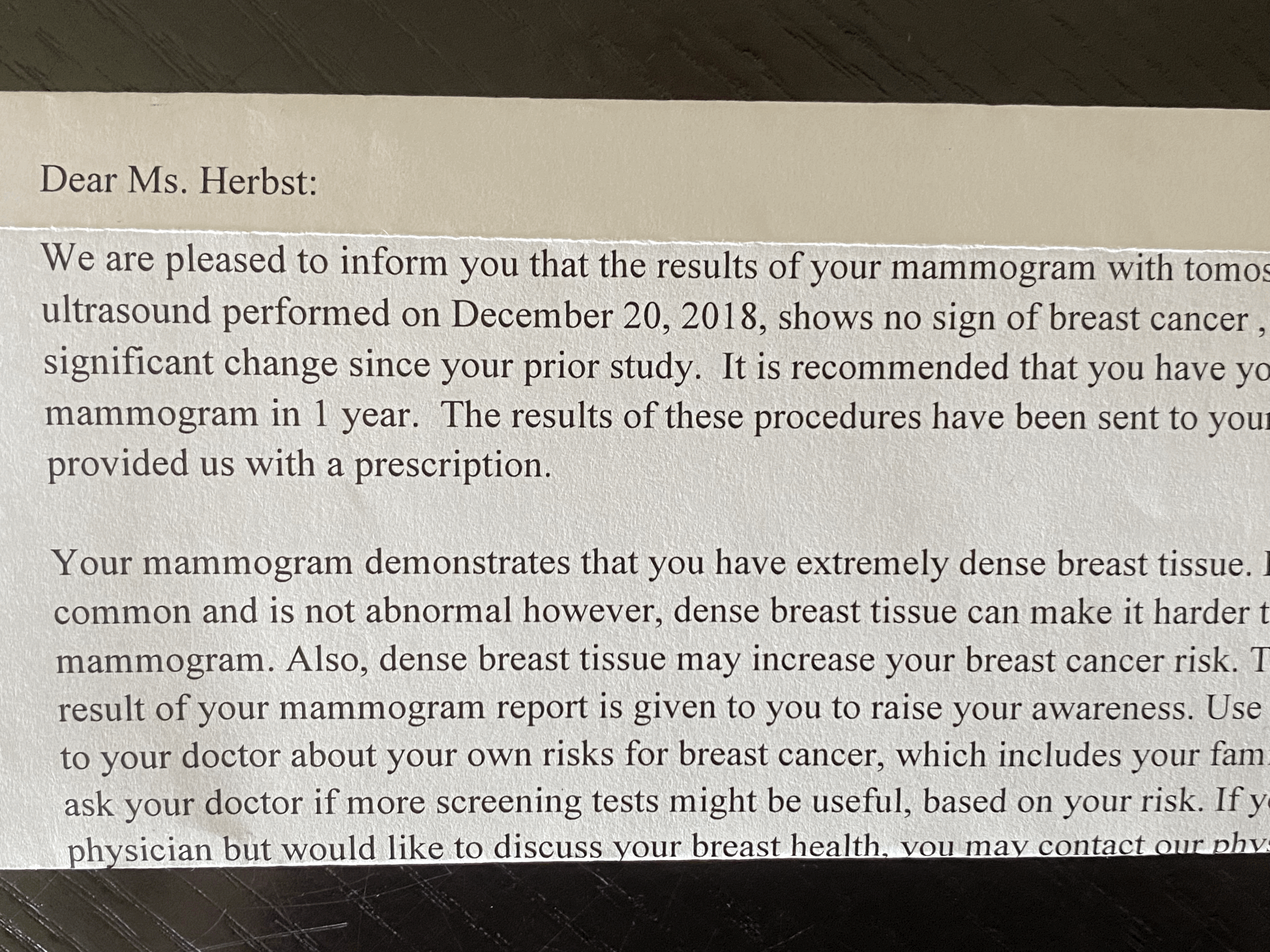
Congratulations!
My mammogram was “normal,” and the hospital sent me a letter congratulating me on my results. I felt such relief. Joel had just finished chemo, and all I wanted was to stay healthy, care for my family, and move past cancer. Little did I know that less than a year later, I would be diagnosed with breast cancer.
-

October 2019
I felt a lump in my left breast. Two days later, a diagnostic mammogram found a “Category 5” abnormality—highly suggestive of cancer. Living in Florida, all I knew was that Cat 5 meant a devastating hurricane! The radiologist was right—but that Cat 5 name has got to go! LOL :)
Root Causes
put your health to the test
Assess your health in the areas below and monitor your progress over time. As you form a strong daily routine of basic health habits, you will most likely notice an improvement in underlying root causes.
ALLERGIES
Allergies occur when the immune system reacts to a substance that is normally harmless, such as pollen, certain foods, pet dander, or insect venom. Reactions can range from mild irritation to severe, potentially life-threatening reactions.
AUTOIMMUNE CONDITIONS
Autoimmune diseases occur when the immune system mistakenly attacks the body's own healthy cells and tissues. There are many different autoimmune diseases, and they can affect almost any part of the body, including the joints, skin, muscles, digestive system, glands, brain, heart, and lungs.
BLOOD PRESSURE
Blood pressure measures the force of blood pushing against the walls of your arteries. It is expressed as two numbers: systolic pressure (when the heart beats) and diastolic pressure (when the heart rests between beats). A blood pressure below 120/80 mm Hg is generally considered normal for adults.
BLOOD CHOLESTEROL
Cholesterol is a waxy, fat-like substance that your body needs to function properly. Your liver makes cholesterol, and cholesterol is also found in animal-based foods.
A lipid panel typically measures total cholesterol, LDL cholesterol, HDL cholesterol, and triglycerides. Monitoring these levels can provide important information about cardiovascular and metabolic health.
See Blood Tests → Cardiovascular & Metabolic Health for more information.
BLOOD SUGAR
Blood glucose, commonly called blood sugar, is the body's primary source of energy. The hormone insulin helps glucose move from the bloodstream into cells, where it can be used for energy. When the body doesn't make enough insulin or doesn't respond properly to insulin, blood glucose levels can become elevated. Persistently elevated blood glucose may lead to prediabetes or diabetes.
Blood sugar and metabolic health can be evaluated using tests such as fasting glucose, HbA1c, glucose tolerance testing, and, in some circumstances, fasting insulin.
See Blood Tests → Cardiovascular & Metabolic Health for more information.
BODY COMPOSITION & WEIGHT
Body composition describes the proportion of fat, muscle, bone, and other tissues that make up your total body weight and can provide information that weight alone cannot. Women should strive to reduce their body fat to 18-22% of total weight, and men to 14-17% of total weight.
For people with cancer, both unintentional weight loss and excessive weight gain can be important. During treatment, maintaining adequate nutrition and muscle mass may be more important than achieving a particular number on the scale. Talk with your healthcare team about a healthy weight and body composition for your individual situation.
INFECTIONS
An infection occurs when harmful microorganisms—such as bacteria, viruses, fungi, or parasites—enter the body and cause illness.
Certain infections are associated with an increased risk of particular cancers. Examples include human papillomavirus (HPV), hepatitis B and C viruses, Epstein-Barr virus (EBV), and Helicobacter pylori (H. pylori). However, most infections do not cause cancer.
See Blood Tests → Infections & Exposures for related testing.

I once heard a doctor compare our health to a tree. We often paint the brown leaves green with medicine, which is sometimes necessary, but healthy lifestyle habits can also help strengthen our “root system.”
Blood Tests
THINGS TO KNOW
ABNORMAL RESULTS
If we experience an abnormal test result, our doctors will sometimes repeat the test right away, several weeks later, or a few months later, depending on the result and our individual circumstances. Sometimes the result returns closer to or within the normal range. When an abnormality persists, however, it is important to explore the possible reasons with your healthcare provider.
When Joel was going through treatment, he had many abnormal results that his doctors believed were related to medications or treatment. Whenever I have had an abnormal result, I have viewed it as an opportunity to learn more about that area of my health and, when appropriate, make changes before the next test.
DAILY FLUCTUATIONS
have also learned that some laboratory values can fluctuate throughout the day or be affected by factors such as food, hydration, exercise, stress, medications, illness, and even the time of day.
A single abnormal result does not always mean that something is wrong. Depending on the test and how abnormal the result is, your doctor may look at previous results, consider other health information, or repeat the test to see whether the abnormality persists. Doctors often pay close attention to patterns and trends over time, rather than interpreting one result in isolation.
If you are concerned about an abnormal result that your doctor has not addressed, ask what it means and whether follow-up testing is necessary.
Reference Ranges
Reference ranges are established by laboratories based on the testing method and the population being evaluated, so ranges can vary somewhat from one laboratory to another. A result flagged as slightly outside the reference range does not necessarily indicate disease, just as a result within the reference range does not always guarantee that everything is normal.

RESULTS over time
My oncologist and primary care doctor both use Quest Diagnostics for labs, so I can view my results online. I can see my current result, the reference range, and my results over time.
One of the most valuable features for me is being able to view a graph of my results over time. Seeing the trends has helped me better understand my health and, at times, has provided tremendous encouragement as I watched certain results improve.
Blood tests: where to begin
-
Female Panel Blood Test
Here is basic bloodwork, plus other important lab tests for women.
-
Male Panel Blood Test
Here is basic bloodwork, plus other important lab tests for men.
Basic BLOOD TESTS
Below are three common blood tests our oncologists routinely ordered: CBC, CMP, and tumor markers. Depending on your type of cancer, treatment, and follow-up plan, these tests may be run every three to six months, annually, or at other intervals. Your physician may also order additional tests based on your individual health needs. For example, a lipid panel may be added to monitor cholesterol and triglyceride levels.
CBC (Complete Blood Count)
CBC is a common blood test that provides information about overall health and measures the number and characteristics of several types of blood cells, including red blood cells, white blood cells, and platelets. A CBC can help doctors identify or monitor anemia, infection, certain blood disorders, and changes caused by cancer treatment.
White blood cells (lymphocytes, monocytes, neutrophils, eosinophils, and basophils)
CMP (Comprehensive Metabolic Panel)
CMP is a common blood test that measures several substances in the blood and provides information about blood glucose, electrolyte and fluid balance, proteins, and liver and kidney function.
ALP, ALT, and AST are liver enzymes:
Creatinine (kidney function)
Glucose (blood sugar)
HbA1c (hemoglobin A1C) may also be ordered to estimate average blood glucose levels over the previous two to three months. It is not part of a standard CMP.
Additional BLOOD Tests
In addition to routine bloodwork, your doctor may order additional tests based on your diagnosis, treatment, symptoms, medical history, and individual health needs. Below are some of the tests Joel and I encountered or learned about during our cancer journeys. Some are commonly used in conventional medicine, while others may be ordered by CAM practitioners. Not every test is appropriate or necessary for every person, so ask your healthcare provider why a test is being recommended and how the results would affect your care.
AUTOIMMUNE & INFLAMMATION
ANA (antinuclear antibody) - could indicate autoimmune disorders.
CCP (cyclic citrullinated peptide) antibodies - could indicate rheumatoid arthritis.
CRP/hsCRP (high-sensitivity C-reactive protein) - a protein that your liver makes in response to inflammation; therefore, this test could indicate chronic inflammation. HsCRP is usually run as part of a cholesterol/lipid panel, but you may need to ask for this to be run. Normal is <1 mg/dL; if >3 mg/dL, you are at high risk for cardiovascular disease.
C4A (Complement C4A Rodgers Blood Group) - could indicate an autoimmune disorder or inflammation.
ESR (erythrocyte sedimentation rate) - measures the degree of inflammation in the body; used in conjunction with hsCRP, which is also associated with inflammatory patterns.
Fibrinogen - tumor cells can produce fibrin, a sticky protein, to hide from the immune system. High levels could indicate chronic inflammation, cardiovascular disease, or cancer.
Gal-3 (galectin-3) - inflammatory marker; high level could indicate advanced cancer.
Histamine - whole blood histamine can detect possible allergies. Histamine is a hormone that performs many functions in the body. When histamine levels are high, they can cause allergic reactions, resulting in the need for antihistamine (i.e. Benadryl). Histamine also regulates water levels in the body. That’s why it is important to drink adequate water, especially if you have allergies. Salt is a natural histamine, so eating adequate salt in your diet can keep histamine levels lower. We consume Atlantic sea salt.
Interleukin 6, 8, 10, 19 - measures immune system activation; may detect sepsis, lupus, or rheumatoid arthritis.
MSH (alpha-melanocyte stimulating hormone) - an anti-inflammatory cytokine derived from pro-opiomelanocortin; measures inflammation.
CARDIOVASCULAR & METABOLIC HEALTH
ApoB (apolipoprotein B) - could indicate greater risk of cardiovascular complications.
Cholesterol or lipid panel - the body needs cholesterol, but if it is too high and gets oxidized, it can contribute to arteries being clogged. The components of the lipid panel are as follows:
HDL (High-density lipoprotein) cholesterol - known as "good cholesterol"; it doesn't necessarily have to be high. Some vegans may have lower HDL.
LDL (Low-density lipoprotein) cholesterol - known as "bad cholesterol"; ideal range is < 80 mg/dL.
Total cholesterol - According to Mayo Clinic, a normal range of total cholesterol is < 200 mg/dL, but holistic health professionals teach that an ideal range is < 150 mg/dL. People in the China Study had < 127 mg/dL.
Triglycerides - a form of fat; ideal range is < 150 mg/dL.
Fasting glucose - measures how much glucose is in the blood after at least eight hours of fasting. According to the Mayo Clinic, a fasting blood sugar level of <100 mg/dL (5.6 mmol/L) is normal.
Fasting insulin - measures the insulin levels in the blood after at least eight hours of fasting; used to determine insulin resistance; marker of metabolic flexibility. According to Medscape, fasting insulin should be < 25 mIU/L. Insulin is a hormone that regulates the amount of glucose in the blood.
Glucose tolerance test - to detect diabetes; measures how well your body metabolizes glucose by measuring how much glucose is in the blood after at least eight hours of fasting and after drinking a sugary drink. Blood is drawn over the course of several hours. According to Mayo Clinic, a normal blood glucose level is lower than 140 mg/dL (7.8 mmol/L) two hours after drinking the glucose solution.
Hemoglobin A1C or HbA1c - The hemoglobin A1c test estimates how much glucose has been in your bloodstream over the last three months. According to Mayo Clinic, below 5.7% is normal. The more glucose is in the blood, the more glucose can attach to hemoglobin. If your hemoglobin A1c percentage is too high, it means that your average blood glucose in the previous months has been too high as well.
Homocysteine - major inflammatory marker associated with heart disease and stroke, as well as dementia; can be run as part of a cholesterol or lipid panel. It is an amino acid in the body, and is considered to be one of the best predictors of death from any cause. An ideal range is < 4 μmol/L. If you have the MTHFR variant, it is important to routinely monitor your homocysteine level, as MTHFR may cause an increase. If homocysteine is high, you may also want to check vitamin B12 levels to be sure they are normal.
Lactate - is one of the substances produced by cells as the body turns food into energy. High levels may be an indication of lack of oxygen, or the presence of other conditions (like an infection) that cause excess production or insufficient clearing of lactate from the blood.
Leptin - a hormone that helps regulate appetite. A deficiency may contribute to obesity. A low level triggers hunger. Leptin levels are higher in obese people, but instead of signaling satiety, obese people become “leptin resistant,” which means that they do not experience normal satiety. This results in overeating and more weight gain
Omega 3:6 index - measures ratio of fatty acids in the blood.
According to Dr. Block of the Block Integrative Cancer Center, "Most people sitting in hospitals do not get measured for C-reactive protein (HsCRP), fibrinogen sedimentation rates, interleukin and other markers associated with inflammation. Getting a detailed understanding of the patient status, prior to starting treatment, can have a significant impact on the outcome." -Hope Never Dies

Dr. Campbell on cholesterol and “normal levels”: “We tested blood cholesterol levels in China and discovered a mean of 127 mg/dL, which we feared, given our Western mindset, might be dangerously low. What we discovered is that these Chinese cholesterol levels were not dangerous at all, unless you believe that reducing one’s risk for cardiovascular disease is dangerous. When it comes to normal blood cholesterol levels, or “normal” health, we should be very wary of what the medical establishment in Western countries tells us, since it has also accepted chronic, preventable disease as a normal part of aging, even in the young.” The Future of Nutrition
IRON, VITAMINS & NUTRITION
Ferritin or serum ferritin - a protein that stores iron, a nutrient that is necessary for the production of healthy red blood cells and the distribution of oxygen throughout the body. Your ferritin level reflects the total amount of iron stored in your body. This test is usually run as part of an iron panel called TIBC (total iron-binding capacity)
Iodine - is a mineral that your body needs to produce thyroid hormones. Because iodine is not produced in the body, you must get iodine from your diet. The two ways to measure for a possible deficiency or excess of iodine are through blood or urine tests. Laboratory tests show that adequate levels of iodine can enhance the immune system for cancer patients; iodine deficiency can be a risk factor for certain cancers.
Iron, TIBC (total iron-binding capacity) - measured to detect iron-deficiency anemia. Iron is a nutrient that is necessary for the production of healthy red blood cells and the distribution of oxygen throughout the body. If iron is too low, that could mean low energy or endurance. If too high, it could deposit in your organs.
MMA (methylmalonic acid) - measured to detect methylmalonic acidemia, a rare metabolic disorder. It can also identify mild vitamin B12 deficiency. If B12 is low, be sure to ask for this blood test, as this may be a true indicator of B12 deficiency.
Vitamin B12 - measures the amount and reveals possible deficiency. If you are low in B12, get your MMA (methylmalonic acid) tested. If MMA is elevated, then there may be a true B12 deficiency.
Folate (vitamin B9 (serum folate) - measures the amount and reveals possible deficiency. Folic acid is a B vitamin that is necessary for the normal function of our blood cells.
Magnesium - measures amount of magnesium in your blood. A low level may promote cancer growth. Magnesium supports the body in many ways: immune function, cardiovascular health, bone strength, etc.
Vitamin A - measures the amount and reveals possible deficiency.
Vitamin B complex - measures the amount and reveals possible deficiency of vitamins B1 (thiamine), B2 (riboflavin), B3 (niacin), B5 (pantothenic acid), B6 (pyridoxine), and B7 (biotin).
Vitamin D (25-hydroxy) - measures only one (25-hydroxy) of several different forms of vitamin D and a possible deficiency of that form. A study done in 2020 revealed that to use vitamin D, the body must metabolize the precursor into an active form. https://www.nature.com/articles/s41467-020-19793-8
Visit the CAM Treatment page to learn more about vitamin D supplementation.
Vitamin K - measures the amount and reveals possible deficiency.
HORMONES & ENDOCRINE
Cortisol (stress response) - measures the level of cortisol in the blood. I also did a 24-hour urine test to measure my cortisol.
DHEA-S (dehydroepiandrosterone sulfate) - marker of whether or not your adrenal glands are working properly; may detect adrenal tumors or cancers. DHEA plays a fundamental role in hormone balance, as well as supporting the immune system. DHEA-S can be converted into more potent hormones, like estrogen and testosterone.
Estrogens - a sex hormone that has many functions in the body. It is the main hormone that differentiates women from men. For women, estrogen is responsible for developing and maintaining the reproductive system. It plays a key role in puberty, breast changes, menstruation, pregnancy, vaginal health, metabolism, and even cholesterol and insulin function. Fat cells, adrenal glands, the pituitary gland, and ovaries produce estrogen in females. High levels may be associated with some breast cancers. Here are the three most common naturally occurring estrogens:
Estrone (E1) - a weaker form of estrogen that is most common after menopause.
Estradiol (E2) - the primary female sex hormone, but is also a form of estrogen in males; low levels in women may be associated with osteoporosis; high levels in men may be associated with increased cardiovascular risk, enlargement of the prostate, or excessive abdominal fat. This hormone is present during child bearing years.
Estriol (E3) - most prevalent in pregnancy.
FSH (follicle-stimulating hormone) - measures health of ovaries, testicles, or pituitary function. This is a hormone involved in the menstrual cycle and rises and stimulates a few ovarian follicles to grow.
IGF-1 (insulin-like growth factor 1) - is a hormone that increases the risk of many forms of cancer. Lower levels of IGF-1 are associated with longer survival for cancer patients. The foods you eat can have a profound effect on circulating blood levels of IGF-1. Animal foods, particularly dairy, contribute to higher levels, while eating a diet rich in plant foods lowers IGF-1 levels.IGF-1 levels increase during childhood, reach peak concentration in adolescence, and then decrease through the rest of life. The primary function is to stimulate growth of cells and tissues in the body, but they also have some effect on decreasing blood glucose levels, although they are far less powerful than insulin. https://www.ncbi.nlm.nih.gov/pmc/articles/PMC4116456/ https://www.ncbi.nlm.nih.gov/pmc/articles/PMC3988204/
LH (luteinizing hormone) - measures the amount of LH released by the pituitary gland, located on the underside of the brain. This hormone is involved in the menstrual cycle and rises to its peak at 34 to 36 hours before ovulation. The mature follicle ruptures and is released. This is an important hormone that affects the sex organs in both men and women. In women, this hormone evaluates fertility issues and the health of reproductive organs (ovaries and testicles).
Progesterone - hormone to track ovulation and pregnancy, etc. It can be elevated in some breast cancers. Men have progesterone too.
Testosterone (free and total testosterone) - a “feel-good” hormone in both males and females; it helps to maintain muscle strength, sex drive, mood, energy, fat distribution, and male bone density.
SHBG (sex hormone binding globulin) - measures low testosterone; its function is to keep excessive free estrogen out of the bloodstream. SHBG binds to estrogens and deactivates them.
PTH (parathyroid hormone) - measures amount of PTH made by the parathyroid glands, which are four pea-sized glands located in the neck. PTH controls blood levels of calcium, phosphorus, and vitamin D. If you have too much or too little parathyroid hormone, it can cause abnormalities in blood calcium levels that may lead to serious health problems. PTH is not part of a regular thyroid panel.
Thyroid testing - a blood test that is used to see how well the thyroid gland is functioning. There are three hormones that are part of a standard thyroid panel: TSH, T4, and T3.
TSH (thyroid stimulating hormone) - The master controller of the thyroid is a hormone known as TSH (thyroid-stimulating hormone). This hormone is released by the pituitary gland (a small gland at the base of the brain). TSH is responsible for triggering the thyroid gland to release four hormones that affect every cell in the body: T4 (thyroxine), T3 (triiodothyronine), RT3 (reverse triiodothyronine), and calcitonin.
High TSH may mean that your thyroid gland is underactive or sluggish, which is called hypothyroidism. If the thyroid doesn’t produce enough thyroid hormones, messages are sent to the pituitary gland to increase TSH levels.
Low TSH may mean your thyroid gland is overactive, which is called hyperthyroidism. High levels of T4 and T3 hormones send a signal to the brain to lower TSH.
T4 and T3 are hormones that are secreted by the thyroid gland. These levels are regulated by the TSH, and affect almost every organ in your body.
T4 (thyroxine) - the main form of thyroid hormone made by your thyroid gland.
Hypothyroidism is usually associated with low T4 levels.
Hyperthyroidism is usually associated with high T4 levels.
T3 (triiodothyronine) - T3 is the active thyroid hormone.
Hypothyroidism is usually associated with low T3 levels.
Hyperthyroidism is usually associated with high T3 levels.
Other thyroid tests that some doctors may run:
rT3 (reverse T3) - the storage form of the active thyroid hormone. Many conditions can cause you to store the hormone instead of using it as active, free T3.
TgAb (thyroglobulin antibodies) - proteins that binds to T4 and may be elevated in inflammatory conditions of the thyroid, as well as in thyroid cancer.
TPO (thyroid peroxidase) antibodies - enzymes normally found in the thyroid gland that play a role in the production of thyroid hormones.
INFECTIONS & EXPOSURES
EBV (Epstein-Barr virus) - could indicate mononucleosis or intensity of active EBV.
Gout - a synovial fluid analysis consisting of a group of tests that detect abnormalities in synovial fluid and disorders of the joints. Uric acid can also be used to detect gout.
Uric acid - high level could indicate gout.
Hepatitis testing - could indicate hepatitis, which is inflammation of the liver (Hepatitis A, B, C, D, E).
HIV - could indicate the presence of the HIV virus.
HPV (human papillomavirus) - measured to detect HPV, a sexually transmitted disease (STD).
H. pylori - Helicobacter pylori is a curved bacteria in the stomach. H. pylori has been carried by humans for hundreds of years.
A 2007 National Institutes of Health workshop with a panel of experts acknowledged that some strains of H. pylori led to ulcers and stomach cancer, but others are protective. After a Japanese study that showed H. pylori was six times more likely to develop stomach cancer, the World Health Organization declared H. pylori a Class I carcinogen. https://www.ncbi.nlm.nih.gov/pmc/articles/PMC86021/
Doctors started testing everyone with GI symptoms for H. pylori and treating with antibiotics. As H. pylori has decreased, incidence of stomach cancer is decreasing, but reflux and esophageal cancer is increasing. People without H. pylori were two times more likely to have GERD, esophageal disease, and higher acid levels into old age. https://www.ncbi.nlm.nih.gov/pmc/articles/PMC2714194/ https://www.gastrojournal.org/article/S0016-5085(11)00936-X/fulltext
Lyme - measured to detect Lyme disease, which is caused by infection with a bacteria that is spread through the bite of certain kinds of ticks.
Mercury (Hg) - could indicate exposure to mercury.
SPECIALIZED / INTEGRATIVE TESTING
G6PD (glucose-6-phosphate dehydrogenase) - measures the amount or activity of G6PD, an enzyme that helps protect red blood cells from damage. Testing can identify G6PD deficiency and may be performed before certain treatments, including high-dose IV vitamin C in some integrative practices.
MMP-9 (matrix metalloproteinase-9) - is secreted by tumor cells.
TGFB1 (human transforming growth factor beta 1) - could indicate tumor growth, or may be related to Lyme disease and/or mold exposure. It is also known for its role in tissue repair.
VEGF (vascular endothelial growth factor) - marker of angiogenesis (cancer cells stimulate growth of neighboring blood vessels), and can increase the blood supply to solid tumors.
Tumor Markers
Tumor markers are substances or other biological characteristics that can provide information about certain cancers. Some tumor markers can be measured in the blood, while others are measured in urine, bone marrow, or tumor tissue. Depending on the cancer, tumor markers may help with diagnosis, treatment decisions, monitoring treatment response, or detecting recurrence. An elevated tumor marker does not necessarily mean cancer is present, and a normal result does not guarantee that cancer is absent. https://www.cancer.gov/about-cancer/diagnosis-staging/diagnosis/tumor-markers-fact-sheet
Depending on the type of cancer and the individual situation, doctors may use certain tumor markers to help assess treatment response, monitor for recurrence or progression, or provide additional information about the cancer. Not every cancer has a useful blood tumor marker, and tumor markers are not appropriate for routine surveillance in every cancer patient.
Ask for baseline tumor markers if they suspect you have cancer. It’s ideal to have your tumor markers run before you have had any surgery or treatment. This way you have a baseline to compare to future test results.
We wish we had known Joel's baseline tumor marker before his cancer was removed. For colorectal cancer, one commonly used tumor marker is CEA (carcinoembryonic antigen). Joel's CEA was first checked after surgery, so we did not have a pretreatment level for comparison.
The first time we really understood the significance of tumor markers was during Joel's chemotherapy. After one of his treatments, the oncologist called us that night and told us that Joel's CEA had increased significantly, so he ordered additional imaging. The imaging showed an area of concern near the base of Joel's brain, so a brain scan was ordered. Fortunately, the brain scan came back clear, and Joel's chemotherapy resumed.
Since that time, Joel's CEA has remained above the laboratory's normal reference range. This has sometimes been a source of stress, especially because he doesn’t have a pretreatment baseline for comparison. Over time, however, we have learned not to focus on one number alone, but to consider it alongside imaging, other test results, and overall health.
We have both learned not to let test results consume us, but rather to use the information available to make informed decisions and remain committed to taking care of our health.
AFP (alpha-fetoprotein) — used with liver cancer and certain ovarian and germ-cell tumors.
B2M (Beta-2 microglobulin) — used with multiple myeloma, chronic lymphocytic leukemia, and some lymphomas.
Beta-hCG (beta-human chorionic gonadotropin) — used with certain germ-cell tumors and choriocarcinoma.
*CA-125 (cancer antigen 125) — used with ovarian cancer.
*CA 15-3 (cancer antigen 15-3) / CA 27.29 — used with breast cancer..
*CA 19-9 (cancer antigen 19-9) — used with pancreatic, gallbladder, bile duct, and gastric cancers.
Calcitonin — used with medullary thyroid cancer.
**CEA (carcinoembryonic antigen) — commonly used with colorectal cancer, as well as lung, liver, breast, and pancreatic cancers.
CgA (chromogranin A) — used with neuroendocrine tumors.
CYFRA 21-1 (Cytokeratin 19 Fragment) — used with lung cancer and metastatic breast cancer.
DCP (des-gamma-carboxy prothrombin) — used with hepatocellular carcinoma.
GGT (gamma-glutamyl transferase) — measured to detect possible liver or bile duct disease; or may be used with carcinoma of the pancreas.
HCG or beta-HCG (human chorionic gonadotroptin) — This hormone is elevated in pregnancy, and also in some cancers.
LDH (lactate dehydrogenase) — used with germ-cell tumors, lymphoma, leukemia, melanoma, and neuroblastoma.
PSA (prostate-specific antigen) — used with prostate cancer.
SMRP (soluble mesothelin-related peptides) — used with mesothelioma.
Thyroglobulin — used with thyroid cancer.
*Julie’s tumor markers
**Julie and Joel’s tumor markers
Tumor Markers
Tumor • Genomic • Molecular Testing
Biomarker testing looks for genes, proteins, and other characteristics of cancer cells that can provide important information about the cancer. It may also be called tumor testing, genomic testing, molecular testing, or tumor profiling.
Biomarker testing can help doctors better understand your individual cancer and may provide information about:
how the cancer may behave or grow
the likelihood of the cancer returning
which treatments may be most effective
whether a targeted therapy or immunotherapy may be an option
whether certain treatments are unlikely to benefit you
Some biomarker tests look for one specific marker, while others examine many genes or biomarkers at the same time. Testing is commonly performed on tissue collected during a biopsy or surgery, although some biomarkers can also be detected through blood tests called liquid biopsies. https://www.cancer.gov/about-cancer/treatment/types/biomarker-testing-cancer-treatment
Biomarker testing has become an important part of precision medicine, which uses information about an individual's cancer to help personalize treatment. Not every person needs every biomarker test, so ask your oncologist which biomarkers should be tested for your particular cancer and how the results could affect your treatment decisions. https://www.cancer.gov/about-cancer/treatment/types/biomarker-testing-cancer-treatment
BREAST CANCER BIOMARKERS
For breast cancer, some of the most important biomarkers include:
ER (estrogen receptor) and PR (progesterone receptor) — determine whether hormones may be fueling the cancer and whether hormone therapy may be beneficial.
HER2 — determines whether the cancer has increased levels or activity of the HER2 protein and whether HER2-targeted treatments may be beneficial.
Ki-67 — measures a protein found in dividing cells and can provide information about how quickly cancer cells are multiplying.
ONCOTYPE DX & MAMMAPRINT
There are also multigene tests, sometimes called genomic or gene-expression tests, that examine the activity of multiple genes within the cancer itself.
Oncotype DX examines the activity of 21 genes in certain early-stage, ER-positive, HER2-negative breast cancers. It produces a recurrence score that can help estimate the risk of distant recurrence and help determine whether adding chemotherapy is likely to be beneficial.
MammaPrint examines the activity of 70 genes in certain early-stage breast cancers. It helps estimate the risk that the cancer will spread or return and may help doctors and patients make decisions about chemotherapy.
Other multigene tests are also available, including the Breast Cancer Index, which may be used in certain hormone receptor-positive breast cancers to help estimate the risk of later recurrence and inform decisions about extended hormone therapy.
BIOMARKER TESTING VS. GENETIC TESTING
These are easy to confuse, but there is an important difference.
Biomarker/genomic testing generally examines the cancer itself to identify characteristics that may help guide treatment.
Inherited genetic (germline) testing examines the DNA you were born with to determine whether you inherited a genetic variant that increases your risk for certain cancers. These inherited variants can potentially be passed on to your children.
For example, my RAD51D genetic test was inherited genetic testing. Oncotype DX, on the other hand, tested genes within my breast cancer to provide information about the behavior of the tumor and help guide treatment decisions. Read “Cancer Gene Shocker.”
ASK YOUR ONCOLOGIST
“Has my tumor had all of the biomarker testing recommended for my type of cancer, and could any additional testing help guide my treatment decisions?”
Biomarker Testing
Liquid biopsies are tests performed on blood or other body fluids that look for cancer cells or material released by cancer cells. Unlike a traditional biopsy, which removes tissue from a tumor, a liquid biopsy can provide information about cancer through a blood sample. https://www.cancer.gov/publications/dictionaries/cancer-terms/def/liquid-biopsy
Two things that may be measured through liquid biopsy are circulating tumor cells (CTCs) and circulating tumor DNA (ctDNA).
Circulating Tumor Cells (CTC)
CTCs (circulating tumor cells) are cancer cells that have broken away from a tumor and entered the bloodstream. Because they can be detected through a blood sample, CTC testing is considered a type of liquid biopsy. CTCs have been studied as biomarkers that may provide information about prognosis and treatment response in certain cancers. CTC testing has clinical applications in some cancers, but it is not routinely used for every cancer or every patient.
CTCs are different from cancer stem cells (CSCs). CTCs are tumor cells circulating in the bloodstream, while CSCs are a subpopulation of cancer cells with stem-like properties that may play a role in tumor growth, treatment resistance, and recurrence.
OUR EXPERIENCE
Joel and I both had CTC testing after our cancer diagnoses, and at times we had detectable CTCs in our blood. We repeated the testing several times through CAM doctors using different laboratories.
One of my tests eventually came back with no circulating tumor cells detected. Although a single CTC test cannot determine whether someone is cancer-free, seeing those words was incredibly encouraging to me.
Liquid Biopsies

Joel and I both had detectable CTCs in our blood after our cancer diagnoses. We repeated the testing several times, and this was my best result. I still love looking at those words: “CTCs: NOT DETECTED.”
CIRCULATING TUMOR DNA (ctDNA)
Circulating tumor DNA (ctDNA) is different from circulating tumor cells. CTCs are whole cancer cells found in the bloodstream, while ctDNA consists of small fragments of DNA released from tumor cells into the blood. Testing for ctDNA is another type of liquid biopsy and may be used in certain cancers to identify tumor-related genetic changes, help guide treatment, monitor response, or look for evidence of remaining or recurrent disease.
Joel’s EXPERIENCE
In 2022, Joel’s oncologist enrolled him in testing through Guardant Health, which uses blood-based liquid biopsy technology to analyze circulating tumor DNA (ctDNA). We were thrilled when his oncologist shared that his results were good.
Genetic Test
Inherited • Germline • Hereditary Risk
Genetic testing for inherited cancer risk looks for changes in genes that you were born with that may increase your risk of developing certain cancers. These inherited changes are sometimes called germline variants or mutations and can be passed from a parent to a child. Testing is usually done using a blood or saliva sample. https://www.cancer.gov/about-cancer/causes-prevention/genetics/genetic-testing-fact-sheet
Only about 5–10% of cancers are thought to be caused by harmful genetic changes inherited from a parent. Having an inherited cancer-related genetic variant does not mean that you will definitely develop cancer; it means that your risk for certain cancers may be higher.
Genetic testing may be recommended based on your personal cancer history, family history, age at diagnosis, type of cancer, or ancestry. If an inherited variant is identified, the information may help guide treatment, screening, or strategies to reduce the risk of future cancers. It can also provide important information for blood relatives who may have inherited the same variant. https://www.cancer.gov/about-cancer/causes-prevention/genetics/genetic-testing-fact-sheet
Some of the better-known inherited cancer-risk genes include BRCA1 and BRCA2, but there are many others. Lynch syndrome, for example, is caused by inherited changes involving DNA mismatch-repair genes and increases the risk of colorectal and several other cancers. Today, genetic testing often uses a multigene panel that examines many cancer-related genes at the same time. https://www.cancer.gov/about-cancer/causes-prevention/genetics/genetic-testing-fact-sheet
OUR EXPERIENCE
After our cancer diagnoses, Joel and I were both offered genetic testing. Joel was tested for inherited cancer-related genetic changes, including those associated with Lynch syndrome, and fortunately his testing was negative.
I decided to have genetic testing as well. I was sure my results would come back negative, but surprisingly, they did not. I learned that I carry a harmful variant in a gene called RAD51D. Read “Cancer Gene Shocker” for the rest of my story.

Hormones
Dear hormones, please leave when you’re done!
“ I’m not waiting for the stars to align, just my hormones.”
Hormones are chemical messengers that travel through the bloodstream and help regulate many functions in the body, including growth, metabolism, reproduction, mood, and sleep. Hormones can also play an important role in certain cancers. Some cancer cells have receptors that allow hormones to stimulate their growth. Breast cancer, for example, may be tested for estrogen receptors (ER) and progesterone receptors (PR) to determine whether hormones are helping the cancer grow. This information can help guide treatment decisions.
Hormone levels can change throughout life and may be affected by age, menstrual cycles, pregnancy, menopause, medications, and certain health conditions. Depending on your individual situation, your healthcare provider may recommend hormone testing.
Common hormone-related blood tests include: estrogen/estradiol, progesterone, FSH, LH, testosterone, DHEA-S, cortisol, SHBG, and others. See Blood Tests → Hormones & Endocrine for related testing.
There are a number of ways to measure hormones (blood, urine, and saliva). It is very hard to get an accurate result from testing hormones. I had both saliva and blood tests, and they have both been completely different a number of times. Saliva testing is not very accurate, since very low levels of estrogen or progesterone are found in the saliva. Blood tests are more accurate, but the problem is that hormone levels can fluctuate from day to day and even from hour to hour, particularly in perimenopausal women. This makes the results hard to trust, so I have asked my primary care physician to run my hormones a few times within weeks of each other, and my results were the same each time. This gives me confidence that my levels are normal.
MY EXPERIENCE
I was 53 when I was diagnosed with breast cancer that was 90% estrogen-receptor positive (ER+) and 90% progesterone-receptor positive (PR+). Learning that my cancer was hormone-receptor positive led me to learn much more about hormones, menopause, hormone testing, and the role hormones can play in breast cancer. Read “My Hormone Journey” for more about my experience.
“Estrogen is an essential hormone produced by women throughout their menstruating years as part of fertility. Estogen has 260 different functions in the human body, including antioxidant, maintenance of bone structure, and protection against cardiovascular diseases. Estrogen is a growth hormone and can accelerate the growth of anything, including hormone-dependent cancers. ”
WARNING SIGNS OF HORMONAL IMBALANCE
Acne
Anxiety
Autoimmune diseases
Bloating
Body hair in excess
Bone loss (osteoporosis)
Breast cancer
Breast tenderness
Cancer
Candida overgrowth
Concentration difficulty
Depression
Diabetes
Eating disorders or extreme dieting
Endometriosis
Energy level low
Fatigue
Fibroids
Fibrocystic breasts
Hair is thinning
Headaches
Hot flashes
Infertility
Insomnia
Low libido
Menstrual irregularities
Mood swings
Night sweats
Obesity
Painful intercourse
PCOS (polycystic ovary syndrome)
PMS
Skin issues
Sleep issues
Thyroid disease
Uterine cancer
UTIs (Urinary Tract Infections)
Weight gain
factors that can affect hormones
BODY WEIGHT
Body fat is metabolically active. Adipose tissue can produce estrogen, particularly after menopause, and obesity is associated with changes in estrogen, insulin, IGF-1, and inflammation. These are among the mechanisms researchers believe contribute to the association between obesity and several cancers. Obesity can contribute to inflammation. One of our oncologists said “Fat is a poison carrier.” Fat cells are metabolically active and produce inflammatory cells and hormones that are converted to estrogen in the bloodstream. This study shows that estrogen is synthesized in peripheral tissues such as adipose tissue (AT), which is body fat. https://pubmed.ncbi.nlm.nih.gov/33610799/
Dairy
Dairy increases estrogen levels. Choose plant milks over dairy when making smoothies, having cereal, making mashed potatoes, etc. "Research on dairy confirms it causes disease and inflammation and it doesn't help to build strong bones." Fiber Fueled, Dr. Will Bulsiewicz
Cow’s milk contains both estrogen and estrogen metabolites. Consuming cow’s milk products results in higher circulating estrogen levels. https://pubmed.ncbi.nlm.nih.gov/19496976/
Those who consume less dairy have a significantly lower risk of developing lung, breast, and ovarian cancer than those who consume more. https://pubmed.ncbi.nlm.nih.gov/25314053/
Dairy is a cancer-promoting food and it increases IGF-1 levels, which is a known cancer risk factor. https://pubmed.ncbi.nlm.nih.gov/31089868/
DIET & NUTRITION
Diet and overall nutrition can influence metabolic and hormonal health. A dietary pattern rich in vegetables, fruits, whole grains, legumes, and other high-fiber plant foods can support overall health and healthy weight. Women who have high estrogen levels due to their diet and lifestyle habits are at risk of developing cancer.
Eating a high-fat diet increases estrogen levels. https://pubmed.ncbi.nlm.nih.gov/8021957/https://www.researchgate.net/publication/20382079_Nutritional_factors_associated_with_benign_breast_disease_etiology_A_case-control_study
Eating less fiber contributes to higher estrogen levels. https://pubmed.ncbi.nlm.nih.gov/8039147/https://www.ncbi.nlm.nih.gov/pmc/articles/PMC2744625/
ENDOCRINE-DISRUPTING CHEMICALS
Some chemicals can interfere with the body's endocrine system by mimicking, blocking, or otherwise affecting hormones. Exposure can come from a variety of environmental and consumer sources.
Many chemicals, both natural and man-made, may mimic or interfere with the body’s hormones, known as the endocrine system. https://www.niehs.nih.gov/health/topics/agents/endocrine/index.cfm
These chemicals are called endocrine disruptors and include plastic bottles and containers, liners of metal food cans, detergents, flame retardants, food, toys, cosmetics, and pesticides.
Reduce your toxic load by eliminating toxins in your food, water, and air through the methods mentioned on this site. Visit the Detox page to learn more.
Fibrocystic breasts
Many women have fibrocystic breasts and are not aware of it because they do not have symptoms. Other women experience swelling and generalized breast soreness, tenderness, or pain.
The condition often changes throughout the menstrual cycle, which means that abnormal hormone levels, particularly high estrogen, is a likely cause. Research supports this idea. In this study women reported breast pain after receiving estrogen or hormone replacement therapy. https://www.sciencedirect.com/science/article/abs/pii/S0002937899705600
Women who have fibrocystic breasts are at higher risk of developing breast cancer, especially if they have a family history of breast cancer. https://pubmed.ncbi.nlm.nih.gov/16034008/
HRT (hormone replacement therapy)
HRT drugs were developed by pharmaceutical companies to treat the unpleasant symptoms of diminished levels of estrogen, progesterone, and testosterone in women and men. Women in their 40s and 50s will generally have lower levels of estrogen and progesterone as they age and go into menopause, so many turn to HRT.
In the late 90s, HRT started becoming a concern, and by 2002 research showed that it caused more harm than benefit. https://www.ncbi.nlm.nih.gov/pmc/articles/PMC6780820/
Taking any type of HRT increases the risk of developing breast and ovarian cancers. https://www.thelancet.com/journals/lancet/article/PIIS0140-6736(19)31709-X/fulltext
Taking hormone replacement therapy after menopause can also suppress thyroid hormone levels and function. https://pubmed.ncbi.nlm.nih.gov/15142374/
Bioidentical hormones
Many women who are aware of the risk of HRT turn to bioidentical hormones, with the assumption that because they are natural, they must be safe. Based on results of saliva or blood tests, a compounding pharmacy will use plant estrogens to create bioidentical hormones (chemically identical to what the human body produces) for an individual. There are two issues that can arise: Compounding pharmacies are not always well-regulated and saliva and blood tests are not always accurate. If you have warning signs that your hormones are out of balance, one of the best things to do is master your health routine (diet, hydration, exercise, de-stressing, and sleep). Visit the Flourish page to learn more.
HORMONAL contraceptives
Hormonal contraceptives affect hormone levels and have both risks and benefits. Personal and family medical history should be considered when choosing a contraceptive method. Oral contraceptives have been available since the early 1960s, and are used by over 90 million women worldwide.
Oral contraceptives can increase breast cell proliferation. https://www.ncbi.nlm.nih.gov/books/NBK234347/
Younger users, ages 20-40, are at higher risk with long-term use. https://pubmed.ncbi.nlm.nih.gov/24633144/
Taking oral contraceptives can suppress thyroid hormone levels and function. Estrogen increases circulating levels of thyroxine-binding globulin, which decreases thyroid hormone levels and thyroid function. Thyroxine-binding globulin is the major transport protein for thyroid hormones around the body. https://pubmed.ncbi.nlm.nih.gov/4442279/
SMOKING
Smoking can affect the endocrine system and reproductive hormones in addition to its many other health effects.
Chronic smoking can cause imbalance in endocrine homeostasis and impairment of fertility in both sexes. https://pubmed.ncbi.nlm.nih.gov/23173678/
This study of 684 healthy, fertile women showed considerable hormone interference due to smoking. https://pubmed.ncbi.nlm.nih.gov/1398476/
STRESS & SLEEP
Chronic stress and inadequate sleep can affect hormones involved in the body's stress response, appetite, metabolism, and other functions. Visit the De-Stress and Sleep pages in the Flourish to-do list to learn more.
supporting hormonal health
A healthy lifestyle can support overall hormonal and metabolic health. Focus on the same BASICS discussed throughout this website: a nutritious diet, adequate hydration, regular exercise, stress management, and sufficient sleep.
Besides irregular periods, I didn't have other noticeable signs of hormonal changes when I was diagnosed with breast cancer. My diagnosis motivated me to become even more intentional about hormone balance. I wanted to ensure that excess estrogen was exiting my body. Before my diagnosis, I was diligent about diet and exercise, so I thought I was on the right track — but wow, I had so much more to learn! I have been extremely intentional in the areas below:
De-stress
Chronic stress can affect hormones involved in the body's stress response and other important functions. Finding healthy ways to manage stress—including exercise, prayer, relaxation, deep breathing, and adequate sleep—can support overall health.
Stress can lead to changes in the serum level of many hormones including glucocorticoids, catecholamines, growth hormone and prolactin. https://www.ncbi.nlm.nih.gov/pmc/articles/PMC3079864/
Visit the De-stress page to learn more.
DIET
A nutritious diet can support a healthy weight, metabolic health, gut health, and normal hormone function. I focus on a whole-food, plant-based diet that is naturally high in fiber and low in fat. Fiber may also influence estrogen metabolism and excretion through the digestive system. I also consume soy because there is evidence that whole soy foods like soybeans and tofu protect against hormone-driven cancers. Dietary patterns can influence circulating sex hormones and maintaining a healthy weight is particularly important.
Women who have high estrogen levels due to their diet and lifestyle habits are at risk of breast cancer. Research shows that the best approach for lowering estrogen levels is to adopt a low-fat, high-fiber, plant-based diet. https://pubmed.ncbi.nlm.nih.gov/2543203/https://www.ncbi.nlm.nih.gov/pmc/articles/PMC2223807/
A review of dietary intervention studies concluded that low-fat diets reduce plasma estradiol levels. https://pubmed.ncbi.nlm.nih.gov/10088623/
The lead author of this study concluded that maintaining less body fat, eating less fat, and eating more fiber resulted in lowering estrogen levels in post-menopausal women, which lowers their risk of breast cancer. https://pubmed.ncbi.nlm.nih.gov/21500098/
A case control study of women in Shanghai with fibrocystic breasts showed that a diet including more fruits and vegetables reduced the risk of proliferative and atypical lesions, which can reduce the risk of developing breast cancer. https://pubmed.ncbi.nlm.nih.gov/15522851/
In the study cited below, vegetarians had reduced levels of estrogen and increased levels of SHBG (sex hormone binding globulin), which helps to remove excess estrogen. The highest hormone levels were found in the meat eaters with breast cancer. Lower hormone levels reduce breast cancer risk. https://pubmed.ncbi.nlm.nih.gov/21500098/
Women who eat a diet with inadequate fiber are at risk of having estrogen reabsorbed in the intestinal tract, rather than excreting the excess estrogen in their feces. Women are supposed to break down excess estrogen each day and excrete it in bowel movements. https://pubmed.ncbi.nlm.nih.gov/3628202/
Eating a low-fat, high-fiber, plant-based diet will help women eliminate excess estrogen on a daily basis. https://www.ncbi.nlm.nih.gov/pmc/articles/PMC3893100/https://academic.oup.com/jnci/article/108/10/djw223/2412589
This study shows that a diet including 1/2 cup of soy daily decreased hot flashes in women by 79%. https://www.ncbi.nlm.nih.gov/pmc/articles/PMC8462449/
Whole soy foods like soybeans and tofu protect against hormone-driven cancers by attaching these weak plant estrogens to receptor sites on cancer cells, effectively blocking the cells from being activated by strong estrogen. Soy phytoestrogens actually act as estrogen-blockers: “it appears that soy isoflavones do not function as an estrogen, but rather exhibit anti-estrogenic properties . . . soy isoflavones should be considered a potential anti-cancer therapeutic agent in hormone receptor positive breast cancer.” https://pubmed.ncbi.nlm.nih.gov/23919747/
Isoflavones have chemical structures that look a little like estrogen found in a woman’s body. However, phytoestrogens (isoflavones) are not the same as female estrogens. Soy foods don’t contain estrogen. https://www.oncologynutrition.org/erfc/healthy-nutrition-now/foods/soy-and-breast-cancer
Whole soy foods such as tofu, tempeh, edamame, and soy milk contain isoflavones, plant compounds that are structurally similar to estrogen but behave differently from the estrogen produced by the human body. Current evidence indicates that whole soy foods are safe for breast cancer survivors, including those with hormone-receptor-positive breast cancer. https://www.cancer.org/cancer/types/breast-cancer/living-as-a-breast-cancer-survivor/can-i-lower-my-risk-of-breast-cancer-progressing-or-coming-back.html
Exercise
Regular exercise can support hormonal and metabolic health by helping maintain a healthy weight and body composition, improving insulin sensitivity, and providing numerous other health benefits. Exercise reduces body fat which produces estrogen-like hormone compounds. Exercise is an excellent form of detoxification, as toxins exit your body via sweat. Exercise also increases SHBG (sex hormone binding globulin), which binds to estrogens and deactivates them. Its function is to keep excessive free estrogen out of the bloodstream. Both aerobic exercise and strength training are important for maintaining cardiovascular fitness, muscle mass, strength, and overall health.
In his book Beating Cancer With Nutrition, Patrick Quillan says, “Hormones like testosterone or estrogen are not only produced by the gonads and ovaries, but are also produced by fat cells. So the more body fat a person has, the higher the likelihood of generating more tumor enhancing hormones.”
GUT HEALTH
The digestive system plays a role in estrogen metabolism and elimination. Estrogens are metabolized primarily in the liver, and some estrogen metabolites are excreted through bile into the intestines. Gut bacteria can influence whether some of these compounds are eliminated or reabsorbed. Eating plenty of fiber and maintaining healthy bowel function can support digestive health and normal elimination.If the gut is unhealthy, it may flood the body with too much estrogen. Visit the Gut Health page to learn more.
Women are supposed to break down excess estrogen each day and excrete it in bowel movements. If not, that estrogen can be reabsorbed and circulate back through the body. Estrogen is supposed to be carried to the liver and then excreted into bile, which then travels to the intestine, where it is excreted in feces. An unhealthy gut will not carry excess estrogen to the liver, but instead allow it to be reabsorbed into the bloodstream. https://pubmed.ncbi.nlm.nih.gov/3628202/
One study showed that women eating a vegetarian diet lower in fat and higher in fiber excreted three times more estrogen in their feces and had 15-20% lower plasma estrogen levels than women eating a westernized diet higher in fat and lower in fiber. https://pubmed.ncbi.nlm.nih.gov/7260944/
SLEEP
Adequate sleep supports the body's hormonal and metabolic systems, including hormones involved in stress, appetite, glucose metabolism, and the sleep-wake cycle.
Visit the Sleep page to learn more.
WEIGHT CONTROL
Maintaining a healthy weight is particularly important for hormonal and metabolic health. Body fat is metabolically active, and adipose tissue can contribute to estrogen production, especially after menopause. Excess body fat is also associated with changes in insulin, inflammatory signaling, and other biological processes associated with cancer risk. https://www.cancer.gov/about-cancer/causes-prevention/risk/obesity/obesity-fact-sheet
Lifestyle factors impact hormones, which regulate weight control. https://www.ncbi.nlm.nih.gov/pmc/articles/PMC3147122/
The more body fat a person has, the higher the likelihood of generating more estrogen-like hormone compounds and/or tumor enhancing hormones. https://pubmed.ncbi.nlm.nih.gov/34519778/
Up Next...
treatment
Learn how to proceed with your cancer treatment plan from start to finish including steps to take before cancer treatment, deciding on the best cancer treatment plan, and what questions to ask your oncologists, surgeons, and alternative medicine doctors. Learn how to conduct your own cancer research and why it is important to seek second opinions.