
Flourish - Benefits
Gut Health
THE GUTS TO BE HEALTHY
Hippocrates said, “All disease begins in the gut.” Dr. Will Bulsiewicz describes the gut microbiota in Fiber Fueled, as “the command center for human health.” This amazing community of microorganisms—our microbiome—plays an important role in many aspects of health. Anyone with cancer should understand the importance of gut health, particularly its relationship to immune function and overall health. Research also shows that eating more fruits, vegetables, and whole grains supports beneficial gut bacteria. https://pubmed.ncbi.nlm.nih.gov/36517598/
This is exactly what happened to me! As my gut health improved, so did my confidence. I began believing I was going to be okay, and that belief grew stronger as my health improved.
I love knowing that although I can't eliminate every unwanted exposure, I can support my body's natural systems through the choices I make every day. Toxins in, toxins OUT!
-
For many centuries, our diet, water sources, and lifestyle contributed to a healthy diversity of gut microbiota. As we entered the 20th century, a host of discoveries and events led to a monumental changes in our gut and overall health.
-
The key to developing greater bacterial diversity and healthier gut composition is to eat enough plant fiber and enzymes, like bromelain from pineapple, which break down food in the stomach and intestines.
-
Learn how a healthy gut supports digestion, nutrient absorption, mood, hormones, immune function, metabolism, and skin.
-
Discover possible signs that your gut health may need extra attention, from digestive changes to mood, immunity, nutrient absorption, and skin.
-
Learn what can shape your gut microbiota, including diet, exercise, stress, medications, environment, and early-life exposures.
-
Learn the difference between prebiotics, probiotics, and postbiotics—and how each can help support a healthy gut microbiota.
-
Item description
How Did We Get Here?
For centuries, our food, environment, and lifestyle were very different from what they are today. In Fiber Fueled, Dr. Will Bulsiewicz describes how dramatically our world changed as we entered the 20th century. He gave me permission to share his summary.
Chlorine and later fluoride were added to drinking water.
Vaccines were developed.
Food preservation, metal canning, and food additives increased.
Antibiotics like Penicillin were discovered and became widely used.
After World War II, synthetic herbicides, fungicides, and insecticides became common.
We added flouride to the water.
Antibiotics and synthetic hormones began being used in livestock production.
Antibacterial soaps and industrial cleaning products became widespread.
Cancer emerged in mass!
Food additives skyrocketed. Our diets became increasingly processed and lower in fiber.
The pharmaceutical industry expanded dramatically.
Doctors learned about drugs (uses and side effects), but had limited training in nutrition.
Modern transportation and technology made our lifestyles more sedentary.
Our use of televisions, computers, smartphones, and video games increased.
The use of toxic herbicides, such as glyphosate and round up, increased. In March 2015, the World Health Organization determined that glyphosate, a key ingredient in RoundUp, is probably carcinogenic to humans.
Dr. Bulsiewicz extensively covers why our diet is killing our gut health, and he explains that fiber is the answer to healing our gut. He says, “Fiber is fire!”

Dr. Will Bulsiewicz graduated from medical school in 2006, when little was known about the gut microbiota. He writes, “The healthier the gut, the better drugs work, even chemotherapy.” — Fiber Fueled
Plant Fiber and Enzymes
A study published in mSystems found that found that eating a greater variety of plants was associated with greater diversity in the gut microbiome. https://journals.asm.org/doi/10.1128/msystems.00031-18
The key to developing greater bacterial diversity and a healthier gut microbiome is eating a wide variety of fiber-rich plants. Plant foods provide two important types of fiber:
Soluble fiber — Think “sops up bad”! It absorbs water and can help lower cholesterol. Sources include fruits, vegetables, legumes, barley, and oats.
Insoluble fiber — Think “intestines”! It adds bulk and helps move food through the digestive system. Sources include whole grains, wheat bran, brown rice, and other plant foods.
We need both, and many foods contain a combination. An apple is a great example—the flesh contains more soluble fiber, while the skin provides more insoluble fiber. Plants also naturally contain enzymes that help break down components of food. Examples include bromelain in pineapple, amylase in mango, and lipase in avocado. The takeaway is simple: Eat a wide variety of whole plant foods to feed your gut! Visit the Diet page to learn more.
Gut Health & Cancer
Research continues to show an association between the gut microbiome and cancer. Gut dysbiosis—an imbalance involving the loss of beneficial bacteria and/or increases in potentially harmful microbes—has been observed in several types of cancer.
A 2026 study comparing adults with and without cancer found that people with cancer had different gut microbiome patterns. Bifidobacterium, a group of beneficial bacteria associated with gut-barrier and immune function, was lower in both cancer groups. People with aggressive cancers also had lower levels of Faecalibacterium and Collinsella and higher levels of Bacteroides.
These findings add to growing evidence of a connection between gut health and cancer, but they do not prove that dysbiosis causes cancer or that changing the microbiome can prevent or treat cancer. More research is needed to understand whether microbiome changes contribute to cancer, result from cancer or its treatments, or both. https://pmc.ncbi.nlm.nih.gov/articles/PMC13379655
Signs of a Healthy Microbiota
A healthy gut microbiota influences far more than digestion. It plays a role in nutrient absorption, mood, hormones, immune function, metabolism, skin health, and the body's ability to protect itself.
ABSORPTION
The gut helps us digest food, absorb nutrients, and make those nutrients available to our cells. We aren't just what we eat—we are what we absorb! Gut microbes also contribute to the production and metabolism of certain vitamins and other compounds. A 2020 study found that gut microbiome diversity was associated with levels of active vitamin D, suggesting an important relationship between the microbiome and vitamin D metabolism. https://www.nature.com/articles/s41467-020-19793-8
Research has also examined relationships between the gut microbiome and iron status and between altered microbiota and malnutrition. https://faseb.onlinelibrary.wiley.com/doi/10.1096/fj.15-276840?
BRAIN & MOOD
The gut and brain are in constant communication—often called the gut-brain axis. This relationship can influence mood, stress responses, pain, appetite, and other aspects of brain function like decision-making. That's why expressions like “gut-wrenching” and “butterflies in my stomach” make so much sense! Gut microbes also interact with neurotransmitter systems, including serotonin and dopamine. Approximately 95% of the body's serotonin is produced in the gastrointestinal tract, particularly by enterochromaffin cells. The gut is in charge of the release of serotonin and dopamine. https://www.ncbi.nlm.nih.gov/pmc/articles/PMC5641835/
A healthy gut will release happy hormones and positively affect mood and disposition.

DIGESTION
A healthy digestive system should process food and fiber efficiently and support regular bowel movements. I have learned that there isn't one perfect number of bowel movements for everyone. You may have one or more per day, and your pattern can vary. Dr. William Sears, renowned pediatrician, wrote a book called Dr. Poo. In the book he describes a healthy bowel movement as generally soft and log-shaped, easy to pass, holds together, not overly smelly, and medium-brown in color. It should happen at least once a day, but ideally even more, so waste doesn’t remain in the intestines for long.
Exercise physiologist Paul Chek has a memorable way of putting it: aim for a “foot a day!” Some gas is completely normal—particularly when eating a high-fiber plant-based diet. As fiber intake increases, gut bacteria ferment that fiber, which can temporarily increase gas.
GUT ENVIRONMENT & Barrier
The intestinal environment helps protect us from potentially harmful microorganisms. Beneficial microbes, the intestinal lining, stomach acid, mucus, and the immune system all work together as part of this defense system. A healthy gut mucosa (fluffy, mucous lining) acts as a selective barrier between the gut and the bloodstream. It allows nutrients and other appropriate substances to pass through while helping prevent harmful microorganisms and unwanted substances from entering circulation.
The gut creates an acidic environment that is unfriendly to pathogenic bacteria. If the gut is healthy, then the good bacteria in the microbiota destroy these pathogens. https://pubmed.ncbi.nlm.nih.gov/12583961/
hormones
The gut microbiome also participates in hormone metabolism, including estrogen. Estrogens are metabolized by the liver and excreted into bile before entering the intestines. Certain intestinal bacteria can affect whether some estrogen is excreted or reabsorbed into circulation. An unhealthy gut will not carry excess estrogen to the liver, but instead allow it to be reabsorbed into the bloodstream which may flood the body with too much estrogen. Higher estrogen levels can result in breast cancer. https://pubmed.ncbi.nlm.nih.gov/3628202/
One study found that women eating a vegetarian diet higher in fiber and lower in fat excreted more estrogen in their feces and had lower plasma estrogen concentrations than women consuming a Western diet. https://pubmed.ncbi.nlm.nih.gov/7260944/
IMMUNE FUNCTION IS GOOD
The gut and immune system are closely connected, eliminating pathogens and other toxins on a regular basis. A large proportion of the body's immune cells are associated with the gastrointestinal tract. If this relationship gets interrupted, it can lead to cancer and other diseases and disorders. Scientists now believe that 70% of the immune system is in the gut. https://pubmed.ncbi.nlm.nih.gov/21596591/
Gut microbes and immune cells continually interact, helping the body distinguish between substances that are harmless and those that may pose a threat. Researchers have even found specialized regulatory T cells associated with the gut that participated in tissue repair in animal studies. https://news.harvard.edu/gazette/story/2023/03/gut-microbes-found-to-help-mend-damaged-muscles-in-mice/
“The body’s immune response is a well-orchestrated symphony of defense and protection. This response has evolved to respond forcefully to things that dangerously threaten the integrity of the body (allergies) while responding mildly, if at all, to things that pose a minor threat.“ https://www.healthscience.org/wp-content/uploads/2022/11/Allergy-and-Food-Sensitivity-Fall-2020.pdf?mc_cid=134632c440&mc_eid=c2a3ace211
METABOLIsm
Metabolism allows our bodies to convert food into energy and building materials and to process waste. Research shows that intestinal microbes participate in metabolic function and energy balance, although the relationship between diet, the microbiome, and metabolism is complex and highly individualized. “. . . an altered microbial ecology is believed to contribute to the development of several metabolic diseases.” https://pubmed.ncbi.nlm.nih.gov/24560870/
“The gut microbiome is shaped by diet and influences host metabolism; however, these links are complex and can be unique to each individual.” https://pubmed.ncbi.nlm.nih.gov/33432175/
SKIN
The gut and skin also communicate—sometimes called the gut-skin axis. Research continues to explore how the microbiome may influence inflammation and skin conditions. Gut health influences the skin. https://www.ncbi.nlm.nih.gov/pmc/articles/PMC7916842/
Research has also examined whether altering gut bacteria can influence skin expression and appearance. https://pubmed.ncbi.nlm.nih.gov/27596801/
Signs Your Gut May Need Attention
Changes in gut health can show up in many different ways. They don't necessarily mean that you have an unhealthy microbiome, but they can be reasons to pay closer attention to your digestive and overall health.
ALLERGIES & ASTHMA
Researchers have studied whether early differences in gut microbiota influence the later development of allergies and asthma. Scientists have suspected that infants’ gut microbiota could influence subsequent development of allergy and asthma. https://pubmed.ncbi.nlm.nih.gov/27618652/
The good news is that as your gut health improves from diet and lifestyle changes, your allergies will most likely improve as well. https://www.ncbi.nlm.nih.gov/pmc/articles/PMC4739432/
BODY ODOR & BAD BREATH
Changes in body odor or breath can have many causes. Bad breath is caused by sulfur that is not eliminated in feces and gas. Instead, the sulfur is absorbed through the intestinal wall, into the bloodstream, where it is excreted in the urine or breath. Researchers are also investigating whether the gut and other microbial communities play a role in body odor. https://www.ncbi.nlm.nih.gov/pmc/articles/PMC7215946/
BRAIN & MOOD
Because of the gut-brain connection, researchers are studying relationships between changes in the microbiome and conditions such as anxiety and depression. Some studies show that microbial diversity is decreased in depressed people as compared to people who are not depressed. https://www.ncbi.nlm.nih.gov/pmc/articles/PMC7510518/
Emotional responses and stress can interfere with digestion and bowel function. The gut plays an important role in serotonin and dopamine signaling, which can influence mood. Stress hormones, such as cortisol and adrenaline, can also affect the gut environment and the behavior of gut microbes.
DIGESTIVE CHANGES
These may include:
Constipation or diarrhea
Frequent bloating
Excessive or particularly foul-smelling gas
Reflux or digestive discomfort
Significant changes in bowel habits
When first adopting a plant-based diet, the increase in fiber may temporarily cause more gas and bloating as the gut adjusts. For many people, this improves within two weeks. A product called Beano can be helpful during the adjustment period. Foul-smelling gas is often related to sulfur-containing compounds found in certain foods, including dairy, meat, legumes, and cruciferous vegetables. Animal-based diets generally provide substantially more sulfur-containing amino acids than plant-based diets.
DYSBIOSIS & “LEAKY GUT”
Dysbiosis occurs when the normal balance and diversity of microorganisms in the gut are disrupted, including an imbalance between beneficial and potentially harmful bacteria. Dysbiosis can be associated with inflammation and changes to the gut mucosa—the protective mucus and intestinal lining—and may contribute to increased intestinal permeability, commonly called “leaky gut.”
Dysbiosis has been associated with a wide range of health issues, from digestive problems to chronic diseases, including cardiovascular disease and some cancers. Possible signs associated with an unhealthy gut can include bad breath, excessive or foul-smelling gas, skin problems, constipation, diarrhea, nutrient deficiencies, GERD, allergies, asthma, and bloating. In children, significant gut problems can also be associated with failure to thrive. Changes in gut health have also been studied in relation to bone health.
Many factors can affect the intestinal barrier and microbiome, including diet, chronic inflammation, gastrointestinal disorders, infections, stress, and certain medications, including antibiotics.
The great news is that the gut microbiome and intestinal barrier can change. Diet and lifestyle can support gut health, and probiotics may be helpful in certain circumstances. Healing and restoring a healthier gut environment can take time, but the effort is worth it!
HORMONES
An unhealthy gut may contribute to hormonal imbalances, including changes in estrogen metabolism.
IMMUNE FUNCTION
The microbiome helps educate and regulate the immune system. Immune function is poor and infection risk is increased in an unhealthy gut.
nutrient deficiencies
Poor digestion or absorption can sometimes contribute to nutrient deficiencies. Iron, vitamin B12, vitamin D, and other nutrient levels can be evaluated through appropriate testing. You may be low in certain nutrients, not because you aren't consuming them, but because you aren't absorbing them. We are what we absorb!
Low vitamin D levels, due to the inability of the gut to convert vitamin D (hydroxy-25) to the usable form. https://www.nature.com/articles/s41467-020-19793-8
Low levels of nutrients like iron, which can cause anemia. The amount of iron in the diet directly influences the composition of the gut microbiota. https://faseb.onlinelibrary.wiley.com/doi/10.1096/fj.15-276840
Malnutrition can occur when there are alterations in gut microbiota, particularly lower diversity of bacteria. https://www.ncbi.nlm.nih.gov/pmc/articles/PMC8401185/
SKIN
Researchers have found differences in skin microbiota associated with skin conditions such as atopic dermatitis, acne, eczema, psoriasis, rosacea, dry skin, and itchy skin, highlighting the connection between our microbiome and skin health. https://pubmed.ncbi.nlm.nih.gov/23974680/

Joel has been hospitalized many times with bowel obstructions. This visit was the hardest. He had an NG tube in for almost a week. Getting the tube out was almost as wonderful as getting hugs from Max.
What Influences the Microbiota?
ANTIBIOTICS
Antibiotics have saved countless lives and are incredibly important when appropriately used. Because antibiotics can also alter the gut microbiome, they should be used appropriately and according to medical guidance. Overuse of antibiotics creates antibiotic-resistant bacteria, which over time creates an unhealthy microbiome.
BREASTFEEDING
Breast milk contains nutrients and compounds that help shape and nourish an infant's developing gut microbiota. Research has found differences in the gut microbiota of breastfed and formula-fed infants, including greater abundance of certain beneficial bacteria in breastfed infants. https://www.ncbi.nlm.nih.gov/pmc/articles/PMC4686345/
DIET & fiber
A diverse, plant-rich diet provides different types of fiber and other compounds that nourish gut microbes. Research shows that the composition of the gut microbiota can change within 24 hours of adopting a low-fat, high-fiber, plant-based diet. Higher-fiber dietary patterns have been associated with beneficial changes in the gut microbiota and inflammation. https://pubmed.ncbi.nlm.nih.gov/23319119/
Eating fruits, vegetables, legumes, and whole grains provides fiber that supports beneficial gut bacteria. https://www.ncbi.nlm.nih.gov/pmc/articles/PMC3368382/
In contrast, dietary patterns high in processed foods, added sugars, saturated fat, and alcohol have been associated with less favorable changes in the gut microbiota. https://pubmed.ncbi.nlm.nih.gov/31291462/
Whole grains can be an important source of fiber. People with celiac disease need to avoid gluten but can still enjoy naturally gluten-free whole grains and foods such as brown rice and quinoa. Visit the Diet page to learn more.
EXERCISE
Exercise may also influence the gut microbiome. Animal research has shown that exercise can counter some obesity-associated changes in gut microbial composition. https://pubmed.ncbi.nlm.nih.gov/27117007/
Research continues to explore the complex relationship among exercise, metabolism, lactate, and gut microorganisms. https://www.ncbi.nlm.nih.gov/pmc/articles/PMC7368972/
FASTING
Research has examined how fasting can help restore intestinal integrity. One study found changes in microbial communities during water-only fasting, although that doesn't establish fasting as a treatment for an unhealthy microbiome. Water-only fasting dramatically changed the bacterial diversity of participants in this study. https://www.sciencedirect.com/science/article/pii/S2590097819300035#:~:text=Water%2Donly%20fasting%20could%20have,lasting%20effect%20on%20gut%20microbiome.&text=However%2C%20juice%20fasting%20has%20a
FECAL MICROBIOTA TRANSPLANTATION
Fecal microbiota transplantation (FMT) transfers processed stool from a carefully screened donor into a patient's gastrointestinal tract. A fecal transplant from a healthy donor is used to treat antibiotic-induced Clostridium difficile (C. diff) infection and inflammatory bowel disease — cure rate is 90% for C. diff. https://journals.plos.org/plosone/article?id=10.1371%2Fjournal.pone.0214085
New bacteria establishes quickly and remains stable.
FURRY PETS
Early-life exposure to household pets has been associated with positive differences in infant gut microbiota. https://www.ncbi.nlm.nih.gov/pmc/articles/PMC5382463/https://elifesciences.org/articles/00458
GEOGRAPHIC LOCATION
Environment also appears to influence microbial exposure and microbiome development. Studies comparing rural and urban populations have found differences in gut microbial composition. https://www.semanticscholar.org/paper/Urban-Diets-Linked-to-Gut-Microbiome-and-Metabolome-Kisuse-La-ongkham/bbc70b6967c69f0ed74a0a451905685375d60958
Research shows that a child growing up on a farm often has a healthier gut than a child growing up in a city. https://onlinelibrary.wiley.com/doi/abs/10.1111/pai.12053


LAUGHTER
The gut microbiota positively responds to humor. The participants in one study had increased populations of good gut bacteria and decreased levels of bad bacteria after watching a funny movie every day for just a week. https://pubmed.ncbi.nlm.nih.gov/19543102/
PRE, PRO, & POSTBIOTICS
See the section below to learn how prebiotics, probiotics, and postbiotics interact with and support the gut microbiota.
STRESS
Stress and the gut have a two-way relationship. Stress hormones and nervous-system activity can affect digestion and the gut environment, while signals originating in the gut can influence the brain.
VAGINAL BIRTH
A developing infant in the womb begins getting bacteria from the placenta. A vaginal delivery is optimal for transmission of beneficial bacteria from mother to infant. https://pubmed.ncbi.nlm.nih.gov/24848255/
Let’s get prebiotics, probiotics, and postbiotics straight! They each interact with our microbiota in different ways.
Prebiotics feed beneficial microbes.
Probiotics are live microorganisms that may provide health benefits.
Postbiotics are preparations made from inactivated microorganisms and/or their components that may provide health benefits.
For me, the foundation remains simple: eat a wide variety of whole plant foods to nourish your gut microbiota.
Prebiotics
Think of prebiotics as food for the good bacteria in the gut. They nourish the good bacteria, and increase diversity of species within the gut. Many fiber-rich plant foods provide compounds that nourish these microbes and encourage a healthy, diverse microbiota. Good sources include fruits, vegetables, legumes, whole grains, nuts, seeds, and resistant starches found in foods such as oats, barley, beans, potatoes, and rice. The value in resistant starches is that they arrive in the intestines undigested; they act as prebiotic food and are fermented by the gut microbiota. Healthy bacteria cannot survive without prebiotics (fiber). They nourish the good bacteria, and increase diversity of species within the gut.
Prebiotics should ideally come from the diet, but can also be taken in supplement form. Prebiotic supplements may include FOS (fructooligosaccharides), OF (oligofructose), GOS (galactooligosaccharides), inulin, chicory fiber, lactulose, or lacticol. Prebiotics should never be given to people with inflammatory bowel disease, gas, or bloating, until inflammation and diarrhea are controlled. They can be taken after a probiotic regimen.
Probiotics
Probiotics are the healthy bacteria that are created from prebiotic fiber as it is broken down in the gut. This is a fermentation process which results in an increased amount of probiotics in the gut microbiota. These living gut microbes are used to restore balance in the gut, improve immune function, reduce inflammation, and even help reduce symptoms of allergies, asthma, chronic infections, bacterial vaginosis, and more. They can inhibit the growth of pathogenic bacteria and repopulate the GI (gastrointestinal) tract with certain strains of beneficial bacteria. If you have poor gut health, an autoimmune disease, or have taken antibiotics, you can take a probiotic supplement.
Just five days of taking some antibiotics can wipe out about one-third of gut bacteria. A strong probiotic regimen may be needed to replenish your microbiota, especially if you have taken a lot of antibiotics. This is what a CAM doctor recommended to me after taking an antibiotic:
Take a probiotic supplement made from Bifidobacteria and Lactobacillus, 100 billion strength for 30 days to replenish your gut bacteria.
Start taking the probiotics while you are still on the antibiotic.
Take the antibiotic and probiotics with food, but at different times during the day.
Continue taking the probiotics for 30 days after you have discontinued the antibiotic.
A probiotic is one of the few supplements that can be taken for a longer period of time, even for lifetime if needed, without negative side effects. How long should you take it? Until you know that your body has changed in areas such as: improved immune system, healthy bowel movements, clear skin, and increased energy. If you stop and resolved issues return, then go back on the probiotic.
Probiotics can be especially helpful for cancer patients dealing with side effects of treatment, such as radiation-induced diarrhea. The dosage needs to be controlled for certain inflammatory bowel conditions. https://pubmed.ncbi.nlm.nih.gov/17352022/
Probiotics can be helpful for bone health. Many cancer patients can experience a loss of bone mass from treatment, such as estrogen-blocker medications. Lactobacillus produces lactate, which promotes growth of commensal bacteria, like Clostridia and Bacteroides. These produce short-chain fatty acids, which in turn stimulate bone growth. https://pubmed.ncbi.nlm.nih.gov/29926979/
Be sure you consult with a doctor before purchasing a probiotic to ensure you get an appropriate dose for your situation. Also, purchase a probiotic from a retailer with a high turnover rate, so the product is not sitting on a shelf. A probiotic doesn't have to be refrigerated.
One of our CAM doctors recommended the following probiotic supplements:
If you have a bowel disease or other disorder, a doctor may prescribe a 500 billion multi-strain probiotic, containing the following:
Lactobacillus acidophilus (CUL-60)
Lactobacillus acidophilus (CUL-21)
Bifidobacterium bifidum (CUL-20)
Bifidobacterium animalis subsp lactis (CUL-34)
Fructooligosaccharides (FOS) - prebiotic included to feed the probiotics above
Eating fermented foods is a natural way to add diversity to your gut microbiome, if you are not as inclined to take probiotic supplements. Examples of fermented foods are: sauerkraut (and other pickled vegetables), kimchi, yogurt (plant-based), kefir, kombucha, tempeh, miso, and natto. If you purchase them, be sure to look at the labels to make sure the food contains live cultures.
Visit Julie’s Kitchen to learn more about fermented foods.
Our Experience: We learned about probiotics after chemo and radiation, so Joel didn’t take these during treatments. Later, one of our CAM doctors recommended that we take a probiotic supplement for a year and take it again for 30 days if taking an antibiotic.
Postbiotics
Postbiotics are beneficial substances produced by gut microbes. A healthy gut naturally produces many of these substances, which can help support the gut barrier, immune function, and a healthy balance of bacteria.When we eat fiber-rich foods, the gut probiotics ferment the fiber (prebiotics) and short chain fatty acids (SCFAs) are created. SCFAs are postbiotics. There are three types of SCFAs: acetate, propionate, and butyrate. Butyrate protects us from disorders like leaky gut syndrome because it keeps the gut lining strong and healthy. It also provides energy to colon cells, influences gene express, promotes cell differentiation, regulates immune function, improves brain health, stabilizes blood sugar, assists with body weight, and reduces oxidative stress.
Research studies on butyrate: https://pubmed.ncbi.nlm.nih.gov/26868600/ https://pubmed.ncbi.nlm.nih.gov/26260141/https://pubmed.ncbi.nlm.nih.gov/24226770/
My Experience: A CAM doctor recommended that I take butyrate as an isolated supplement, but after doing some research I learned that there is no evidence that butyrate in isolated, supplement form works to promote fecal butyrate. However, there is research showing that these fruit, vegetable and berry blend capsules (Juice Plus+) and a plant-based shake mix (Juice Plus+ Complete) increases fecal butyrate. https://pubmed.ncbi.nlm.nih.gov/33920059/
Pre, Pro, and Postbiotics

I believe my poor gut health may have been one of many factors that contributed to my overall health leading up to my cancer diagnosis. Two CAM doctors I worked with also suspected that I had increased intestinal permeability, often called “leaky gut.” I also believe chronic stress played a role in my health. I became determined to improve my gut health and get it working for me, not against me.
Since I tested positive for a gene variant associated with an increased risk of cancer, I was also interested in the relationship between the gut microbiota, genetics, and epigenetics—the way environmental and lifestyle factors can influence gene expression. Researchers continue to study how the gut microbiota and the substances produced by gut microbes may influence gene expression and cancer-related processes. One study explains, “Microbial metabolites of diet can also be epigenetic activators of gene expression that may influence cancer risk in humans.” https://pubmed.ncbi.nlm.nih.gov/24855003/ https://www.ncbi.nlm.nih.gov/pmc/articles/PMC3744659/
Looking back, several areas of my health had changed leading up to my diagnosis.
My Gut Health Journey
LEADING UP TO MY DIAGNOSIS
HORMONES
I began wondering whether my gut health may have influenced the way my body metabolized estrogen. As discussed above, the gut microbiota can influence whether certain estrogen metabolites are excreted or reabsorbed into circulation.
IMMUNE FUNCTION
I experienced chronic sinus infections throughout my teens, college years, and young adulthood and took several rounds of antibiotics each year. At the time, I had no idea how antibiotics could affect the gut microbiota, and I didn’t know anything about probiotics. They certainly weren’t something people talked about like they do today!
Thankfully, after changing my diet in my 30s, my chronic infections stopped—and so did my frequent antibiotic use. However, in the year before my cancer diagnosis, I had several colds, contracted both flu A and B, and developed multiple tooth infections that required additional rounds of antibiotics.
STRESS
My stress levels were off the charts, and I began learning about the connection between chronic stress and gut health. The gut-brain connection started making sense to me, especially considering the stress I had experienced prior to my diagnosis. Although I had changed my diet more than 20 years earlier, I had never really changed the way I handled stress. I began to wonder whether my gut had ever really had a chance to recover.
Visit the De-Stress page to learn more about my journey with stress.
FAST FORWARD TO MY DIAGNOSIS
After my diagnosis, I wanted to get my gut health on the right track. For the first year, I worked with several CAM doctors and followed their recommendations, including IV nutrient therapies and supplements such as probiotics and pancreatic enzymes. After about a year, I moved away from that strict protocol and began focusing more on diet and lifestyle. Through months of learning and plenty of trial and error, I eventually focused on the following areas:
EXERCISE
I began exercising regularly again, working with a personal trainer and incorporating both cardiovascular exercise and strength training. Learning about the relationship between exercise and gut health gave me even more motivation to stay consistent.
FOOD CHANGES
COOKED VEGETABLES
I was already eating plenty of raw vegetables, but I began adding a much wider variety of steamed vegetables. I also started making a creamy vegetable soup and eating 4–5 cups throughout the day. This was a game changer for me! Visit Julie’s Kitchen to see my soup recipe.
GRAINS
I added whole grains back into my diet. For about 10 years before my diagnosis, I had eaten gluten-free, but I began learning more about the importance of whole grains and fiber for gut health. Unless there is a medical reason for me to avoid gluten, I now include a variety of whole grains as part of my diet.
JUICING
I gradually increased my juicing from twice a week to several times a week and eventually almost daily—and sometimes twice a day. I also began juicing wheatgrass along with other fruits and vegetables. I enjoy juicing—not necessarily the process, but the results! I feel great physically and mentally when I'm consistent with it.
SPROUTS
I added a variety of sprouts to my daily diet, including sprouted grains, bean sprouts, broccoli sprouts, and sunflower sprouts.
STRESS
Learning to manage stress became another important part of my journey. Visit the De-Stress page to learn more about my journey with stress.

TESTS
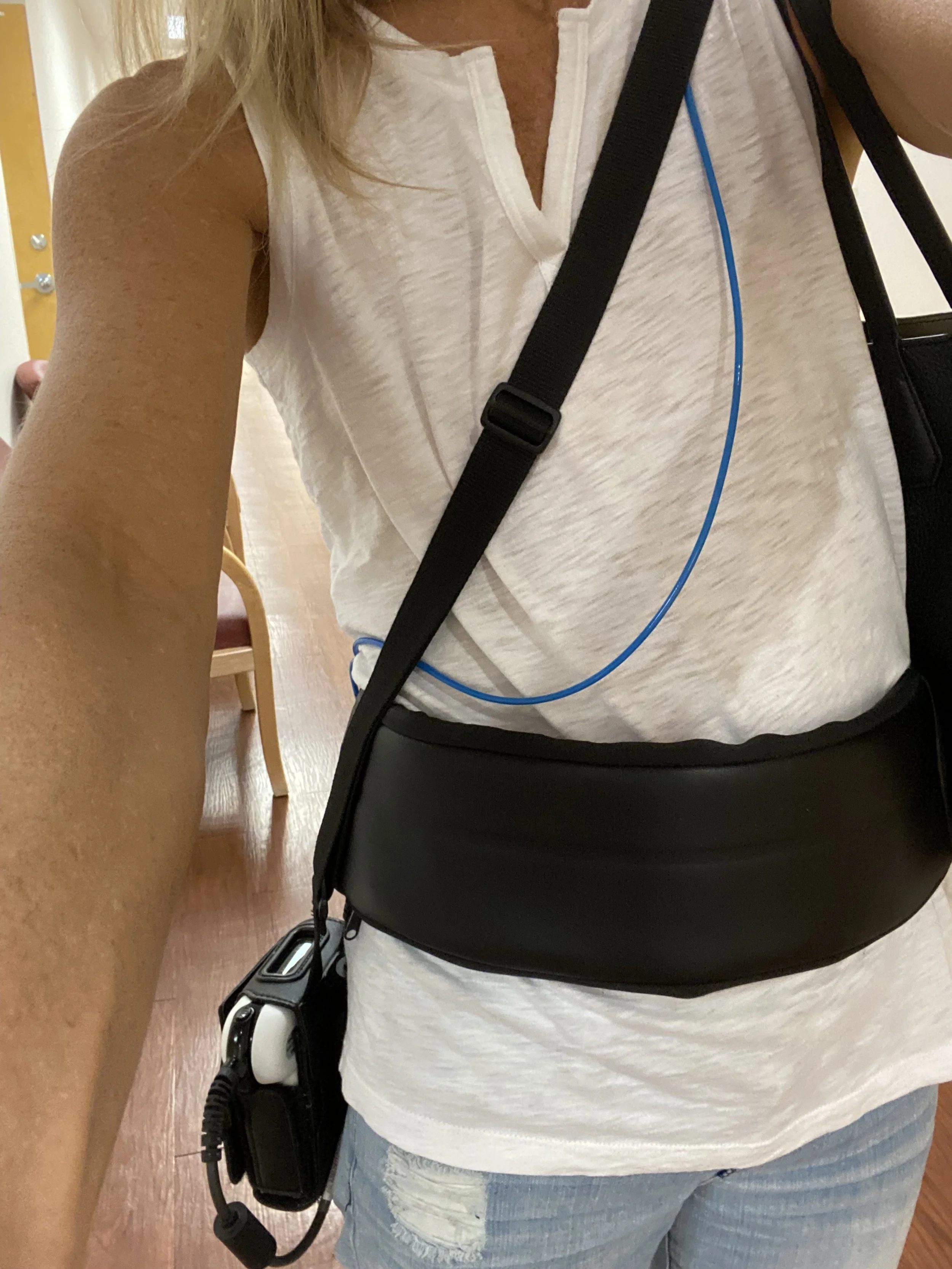
One of my tumor markers, CEA (carcinoembryonic antigen), was elevated. CEA can be elevated in certain cancers as well as some noncancerous conditions. Because I was over 50 and my CEA was elevated, my doctor ordered a colonoscopy. My results were normal. I also had an upper endoscopy to examine my upper digestive tract and a capsule endoscopy, which involved swallowing a tiny camera that took thousands of pictures as it traveled through my digestive tract. Both were normal.
I was thankful to have such thorough testing. I also learned that I did not have celiac disease, which was helpful information as I incorporated whole grains back into my diet.
WATER
Even though I thought I was a diligent water drinker, I wasn't actually tracking how much I drank. I began tracking consistently to make sure I stayed well hydrated throughout the day. I fill a large 72-ounce glass pitcher each morning and drink from it throughout the day. If I exercise or sweat, I drink even more.
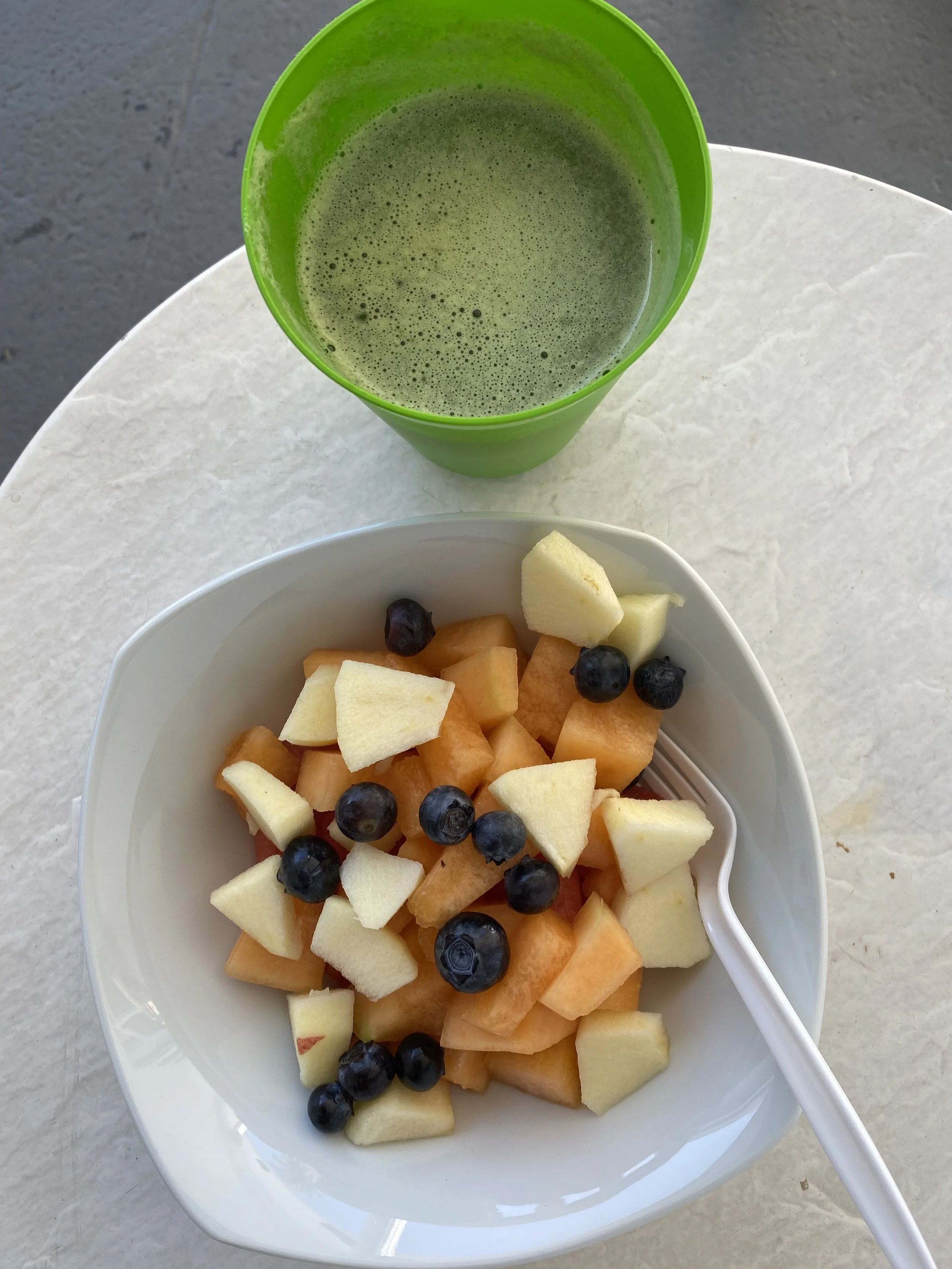
My first meal following a week of water fasting: Green juice and fruit salad.
MY RESULTS
FIRST IMPROVEMENTS
As I made these changes, one of the first things I noticed was a dramatic change in my bowel movements. For about six months, I was going several times a day. Before this, it was rare for me to have more than one or two bowel movements each day.
After years of frequent antibiotic use, I felt encouraged that my digestive system seemed to be changing as I focused on improving my diet and gut health.
ANOTHER WATER FAST
In January 2022, about two years into my healing journey, I decided to do another medically supervised water fast—this time with Dr. Frank Sabatino at Balance for Life Health & Wellness Retreat.
I had completed my first water fast in 2015 and noticed many positive changes, but I hadn't addressed one major area of my health: stress.
This time, I fasted for almost six days. The experience was surprisingly different from my first fast. I slept well, felt good, and didn't experience the uncomfortable symptoms I remembered from 2015.
After returning home, however, I noticed some unusual changes. My bowel movements and gas developed a peculiar smell that reminded me of a “new car,” and it continued for several months. I also developed tiny bumps on my skin. I didn't know exactly what was causing these changes, but I continued paying close attention to my body as it adjusted after the fast.
THE CALM AFTER THE STORM
Eventually, the unusual smell disappeared, the bumps cleared, and my bowel movements became more regular and well-formed. Then I began noticing other changes. My mood improved. My skin became smoother and more hydrated. I stopped experiencing acne, and the little bumps I used to have on the backs of my arms disappeared. I even noticed changes in body odor and no longer felt that I needed deodorant as often.
Research continues to explore the relationship between diet, the gut microbiota, and skin health. Higher fruit and vegetable intake also provides nutrients important for healthy skin. https://pubmed.ncbi.nlm.nih.gov/11293471/
My bloodwork was encouraging too. My iron and vitamin D levels returned to normal ranges, and my routine blood tests have continued to look good. Most importantly, seeing these changes gave me tremendous encouragement. I could see and feel that the way I was caring for my body was making a difference. That gave me greater confidence and motivation to continue the healthy habits I had established.
OBSERVATION & HOPE
These days, I can often tell when something has affected my digestive health. If I'm under a lot of stress or get away from my normal routine, I may notice changes in my bowel movements and regularity. Of course, there are times when I get out of my routine—holidays, traveling, and simply life! The wonderful thing is that I know how to get back on track, and I can feel the difference when I do.
When you begin to experience the positive effects of healthy habits, it becomes much easier to return to them again and again. That's what keeps me motivated today.
As my gut health improved, so did my confidence. After living with so much fear about cancer, seeing positive changes in my body gave me hope! I felt like I was finally creating a healthier environment for my gut microbiota and supporting my immune system. Wahoo!
The Path Forward...
MY FAITH JOURNEY
Even though I have shared many tools on this site, ultimately God is the Great Physician and he is at the helm of your path forward. He will guide you and comfort you. He is the greatest treatment of all!