Flourish - Basics
Exercise
WHY EXERCISE is IMPORTANT
I have exercised most of my life. I was a middle school, high school, and college athlete. During my sophomore year of college, I began teaching aerobics while also cheering in college. I then worked in the fitness industry as a trainer and instructor for over 20 years. Despite all of that, I was still unhealthy. Most people would have thought I was healthy because I looked fit, but my nutrition didn’t match my level of exercise.
At age 33, I began learning that although exercise has tremendous health benefits, intense exercise also increases oxidative stress, making good nutrition especially important for protection, performance, endurance, and recovery. You cannot out-exercise poor eating habits. You need to fuel your body with the nutrients it needs to support an active lifestyle. Visit the Diet page to learn how to fuel your body for optimal function.
There is a great deal of research showing the benefits of exercise during cancer treatment and throughout recovery. If you’ve been sedentary, talk with your physician about safely starting an exercise program.
Exercise throughout your cancer journey—even if it’s just walking. Walking with a buddy provides an opportunity for conversation and support while keeping your body moving during treatment and recovery. Today, my goal is to continuously improve my fitness level, so I incorporate plenty of strength and resistance training along with cardiovascular exercise.
-
There are numerous exercise benefits for a cancer patient: blood pressure regulation, blood sugar balance, optimal body composition, better sleep, and weight control.
-
Learn about the variables that, when implemented, will ensure the success of your exercise regimen.
-
You may exercise on your own, join a gym, or hire a personal trainer. Do whatever make the most sense to you, but find exercise that you enjoy and stay consistent.
-
With the help of a personal trainer, we purchased basic equipment to start exercising at home. Eventually, we set up a home gym with advanced equipment in our garage. It was a game-changer!
-
Exercise has always been a significant part of my life. Leading up to my diagnosis, my exercise regimen was difficult and painful. My healing journey has included a lot of exercise, and today I am stronger than ever.
-
My personal trainer (4th place CrossFit champion in 2017) shares her best tips on exercise. Her guidance and encouragement has been key in my recovery from cancer.
-
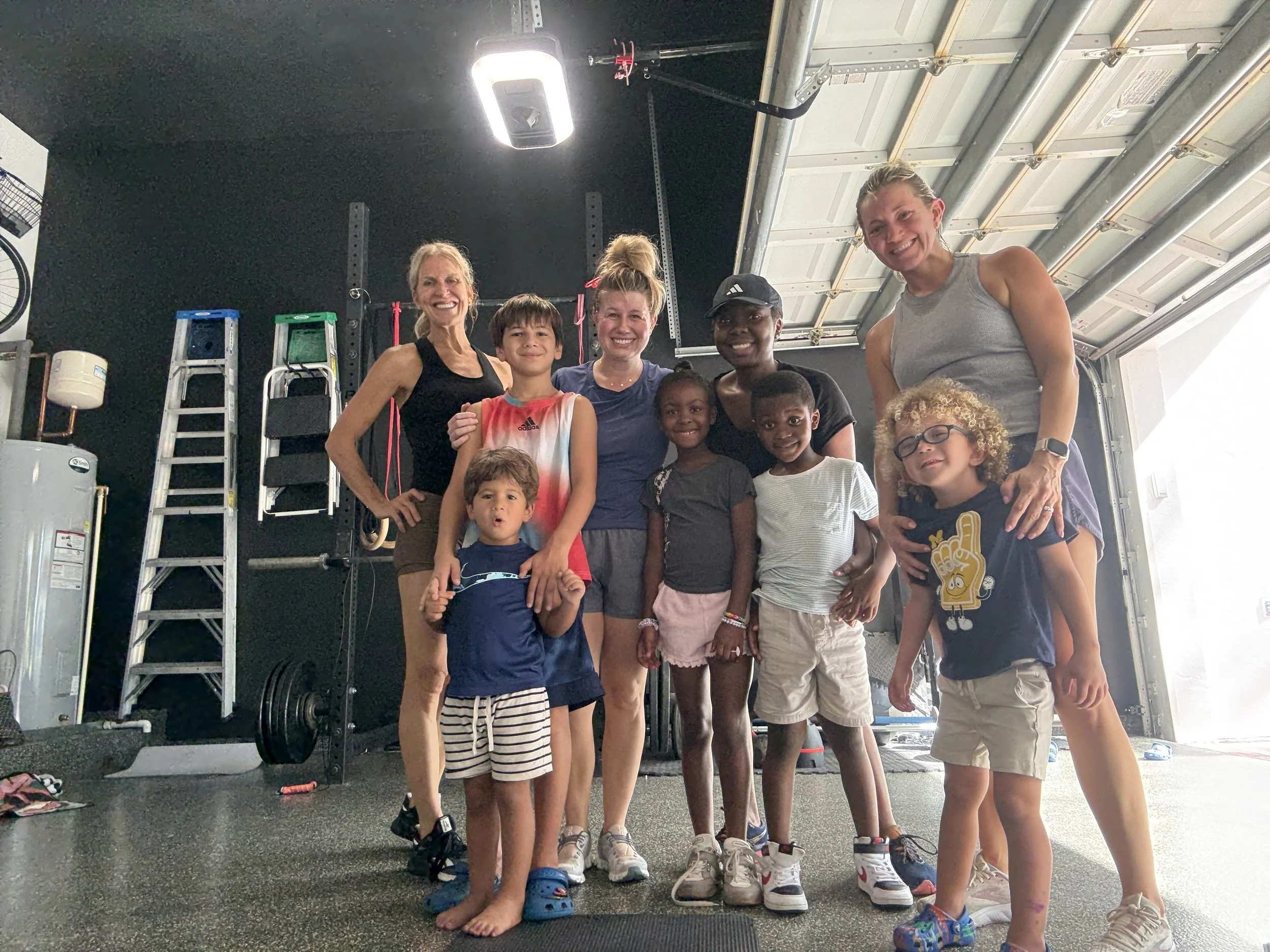
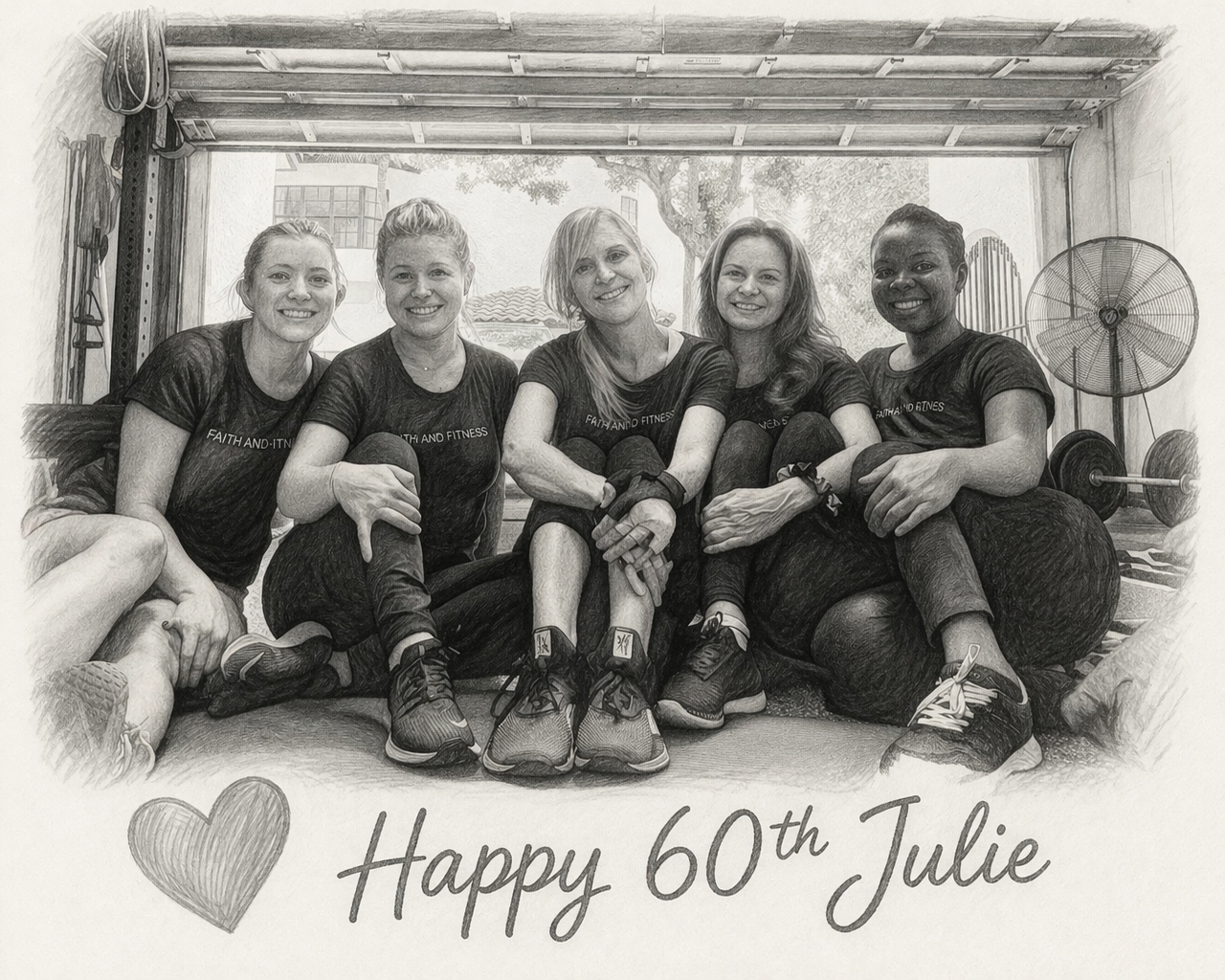
Today, I have a group of women who meet in my garage gym several times a week to work out together. I named our group Faith & Fitness because we focus on growing stronger both physically and spiritually.

Joel made exercise a priority throughout his cancer treatment, even when it was simply going for a walk.
Benefits of Exercise
“If exercise was a pill it would be prescribed to all cancer patients.”
Research shows that exercise is associated with a lower risk of cancer recurrence and death. Dr. Keith Block of the Integrative Cancer Center in Illinois states that 45–60 minutes of exercise per day may significantly reduce cancer mortality. https://pubmed.ncbi.nlm.nih.gov/25114017/https://pubmed.ncbi.nlm.nih.gov/24035029/
A 2017 review of breast cancer research found that, of all lifestyle factors, physical activity had the most robust effect on breast cancer outcomes. The authors recommended at least 150 minutes of moderate physical activity or 75 minutes of vigorous activity per week, along with two to three strength-training sessions. https://www.cmaj.ca/content/189/7/E268
A 2005 research study also found a protective association between increased physical activity and breast cancer survival—even moderate amounts of regular exercise can make a difference.
A large study of 28,248 people with stage 1 cancer found that regular physical activity during the year before diagnosis was associated with a lower risk of cancer progression and death. Compared with people with no recorded activity, those doing less than 60 minutes per week had a 16% lower risk of progression and 33% lower risk of death, while those doing 60 minutes or more had a 27% lower risk of progression and 47% lower risk of death. https://bjsm.bmj.com/content/59/10/715
One inspirational example is Ruth Heidrich, who was already a marathon runner when she was diagnosed with Stage 4 breast cancer and continued to make exercise an important part of her life.
Exercise can also help reduce cancer-related fatigue for people undergoing treatments such as chemotherapy. https://pubmed.ncbi.nlm.nih.gov/28253393/
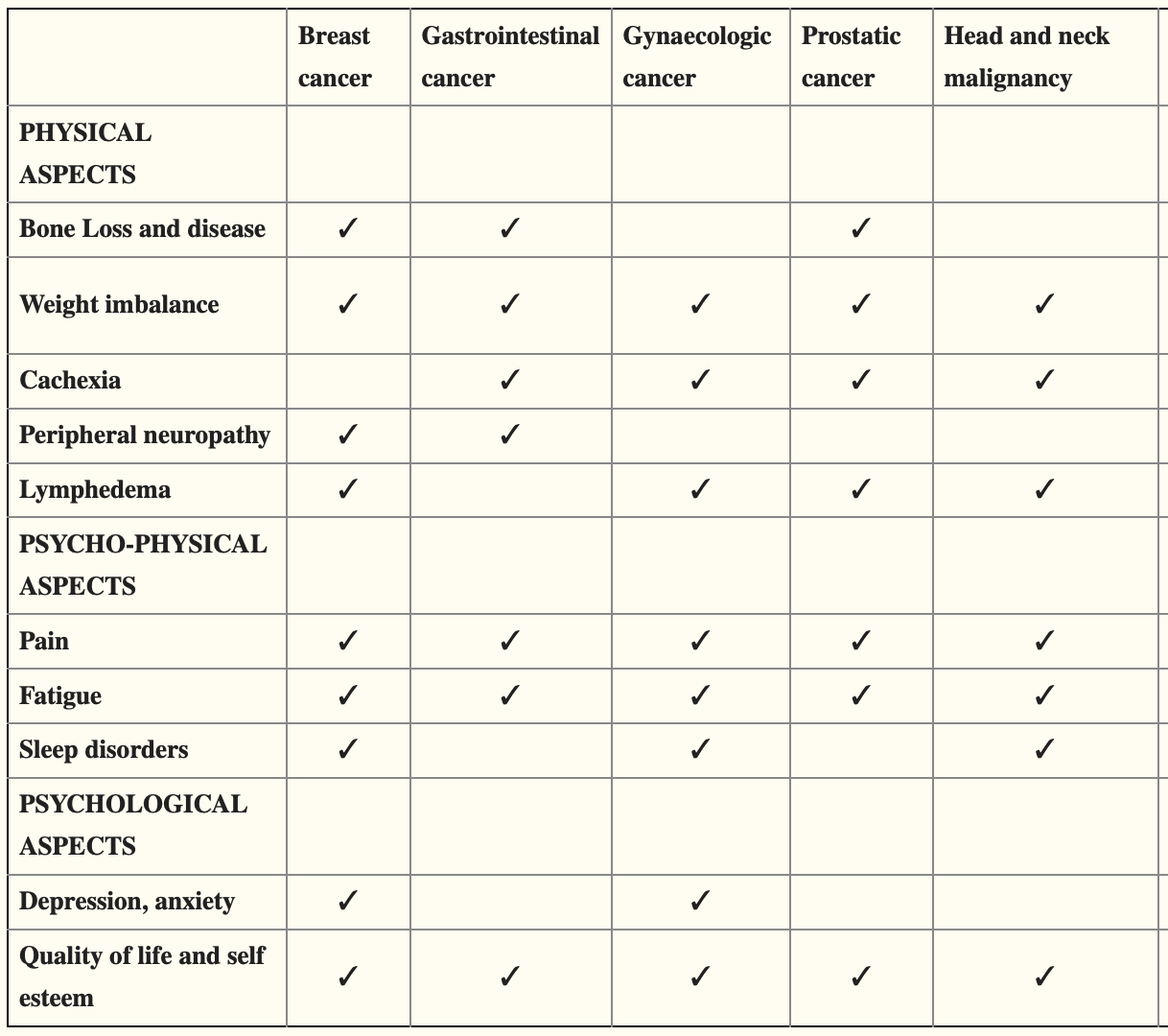
Below are some of the most commonly cited benefits of exercise. For a more comprehensive list of benefits for a cancer patient, review this study. https://www.ncbi.nlm.nih.gov/pmc/articles/PMC5862633/
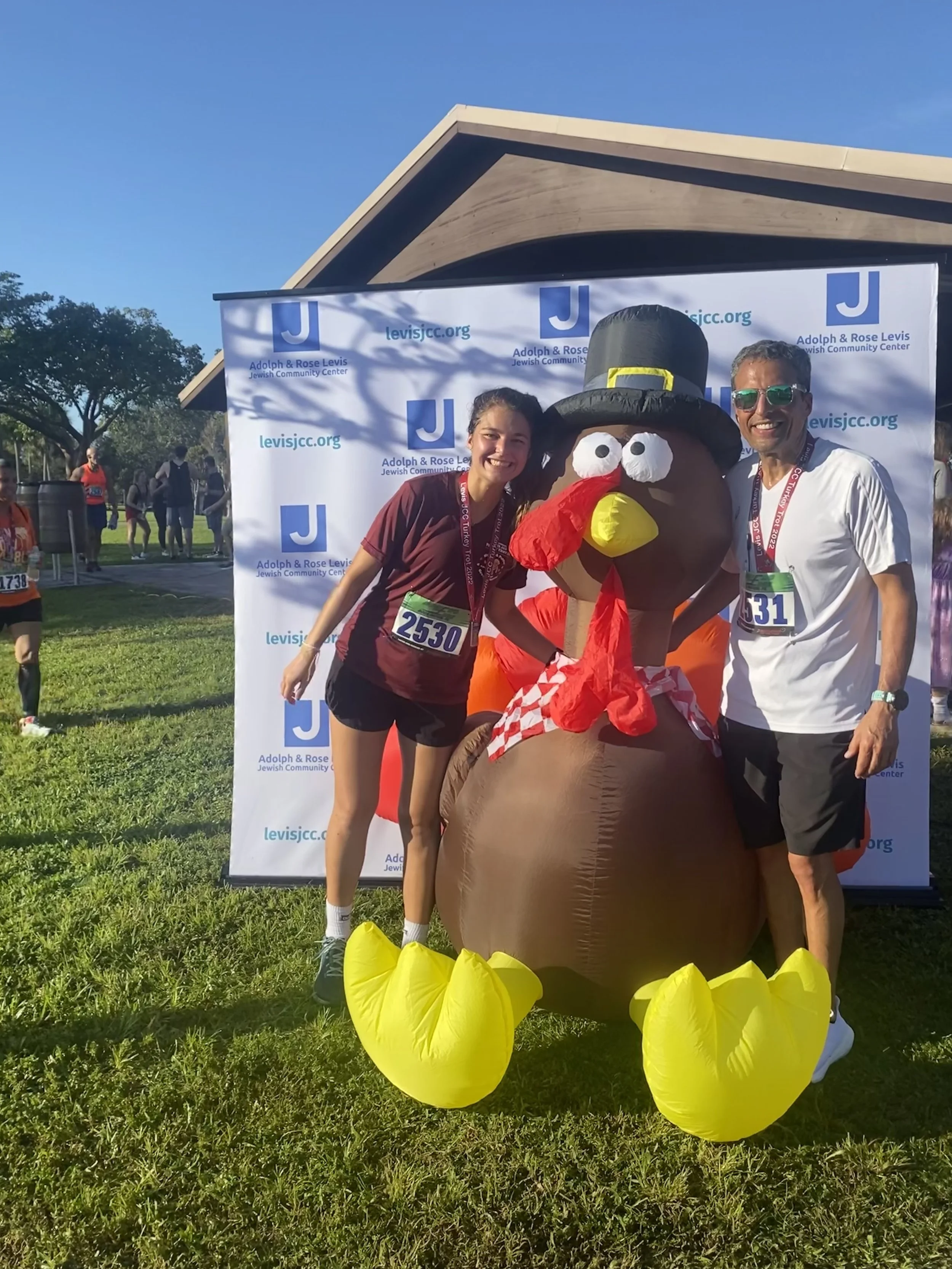
Make exercise a family affair while supporting events.
Balance
Cancer and its treatment can sometimes cause fatigue, confusion, weakness, and other changes that may affect balance and increase the risk of falling. Exercise can help improve balance, stability, and physical function. If balance is a concern, incorporate appropriate balance and strengthening exercises into your routine.
https://www.ncbi.nlm.nih.gov/pmc/articles/PMC5119910/ https://journals.lww.com/md-journal/Fulltext/2019/07050/Physical_activity_programs_for_balance_and_fall.47.aspx
Blood pressure
Exercise helps lower blood pressure by strengthening the heart. A stronger heart can pump blood more efficiently, placing less pressure on the arteries. A single exercise session can have an immediate effect, but consistent exercise is important for long-term improvement. https://www.ncbi.nlm.nih.gov/pmc/articles/PMC4914008/
Blood Sugar
Exercise helps regulate blood glucose and improves insulin sensitivity, allowing your muscles to use glucose more effectively for energy. Even something as simple as taking a walk after a meal can help manage the rise in blood glucose. In her book How to Starve Cancer, Jane McLelland advises, "take a brisk walk 15-20 minutes after eating, so glucose moves from the bloodstream and redirects to the muscles. This effectively starves the cancer-cell microenvironment.” Exercise offers enormous benefit to patients with diabetes. https://pubmed.ncbi.nlm.nih.gov/21323815/
Body Composition
Lean muscle mass is the total weight of your body minus the fat. When you are first diagnosed, get a body composition test. A personal trainer can do a body composition test for you, and some doctors have machines for testing in their offices. This will allow you to compare your present body composition to what it will be after you’ve been exercising for some time. Do a combination of both aerobic (cardiovascular exercise) and strength training (push-ups, lifting weights, etc.) exercises to burn fat and build lean muscle mass, which increases metabolism. Monitoring your body composition is one good way to determine if you are doing enough exercise and the right type of exercise. With a balanced approach, you will become leaner and your cardiovascular endurance will improve. If not, then it’s time to change up your exercise routine. Exercise helps control weight by increasing calorie expenditure and shrinking fat cells. This is crucial because fat is a poison-carrier and cancer-promoter. Obesity is the biggest driver of inflammation. https://www.ncbi.nlm.nih.gov/pmc/articles/PMC6939705/ https://onlinelibrary.wiley.com/doi/full/10.1111/obr.13256
BONE DENSITY
“Athletes, especially those who are strength-trained, have greater bone mineral densities than nonathletes, and that strength, muscle mass and maximal oxygen uptake correlate with bone density.” https://pubmed.ncbi.nlm.nih.gov/7747001/
Energy
Exercise increases circulating oxygen in the body, which increases your energy level. This increase in oxygen not only supports the cell’s energy production, it allows your body to function better and to use its energy more efficiently. Sedentary people who complain of fatigue can increase energy levels by 20% and decrease fatigue by 65% when they engage in regular, low-intensity exercise. https://www.sciencedaily.com/releases/2008/02/080228112008.htm
Hormones
Exercise releases chemicals called endorphins. These endorphins interact with the receptors in your brain that reduce your perception of pain, which goes a long way in managing cancer treatment. Endorphins also trigger a positive feeling in the body, similar to that of morphine. Exercise also balances other hormones like cortisol, insulin, thyroid hormones, and sex hormones. It also reduces hot flashes, especially through resistance training. https://pubmed.ncbi.nlm.nih.gov/26857887/
Immune System
Exercise stimulates immunity by increasing circulating immune cells. This helps your body better prepare for infection by detecting it earlier. Develop consistency in order to see the most benefits. However, over-exercising can weaken the immune system, especially when there is not adequate nutritional support for that level of exercise. https://pubmed.ncbi.nlm.nih.gov/12696983/
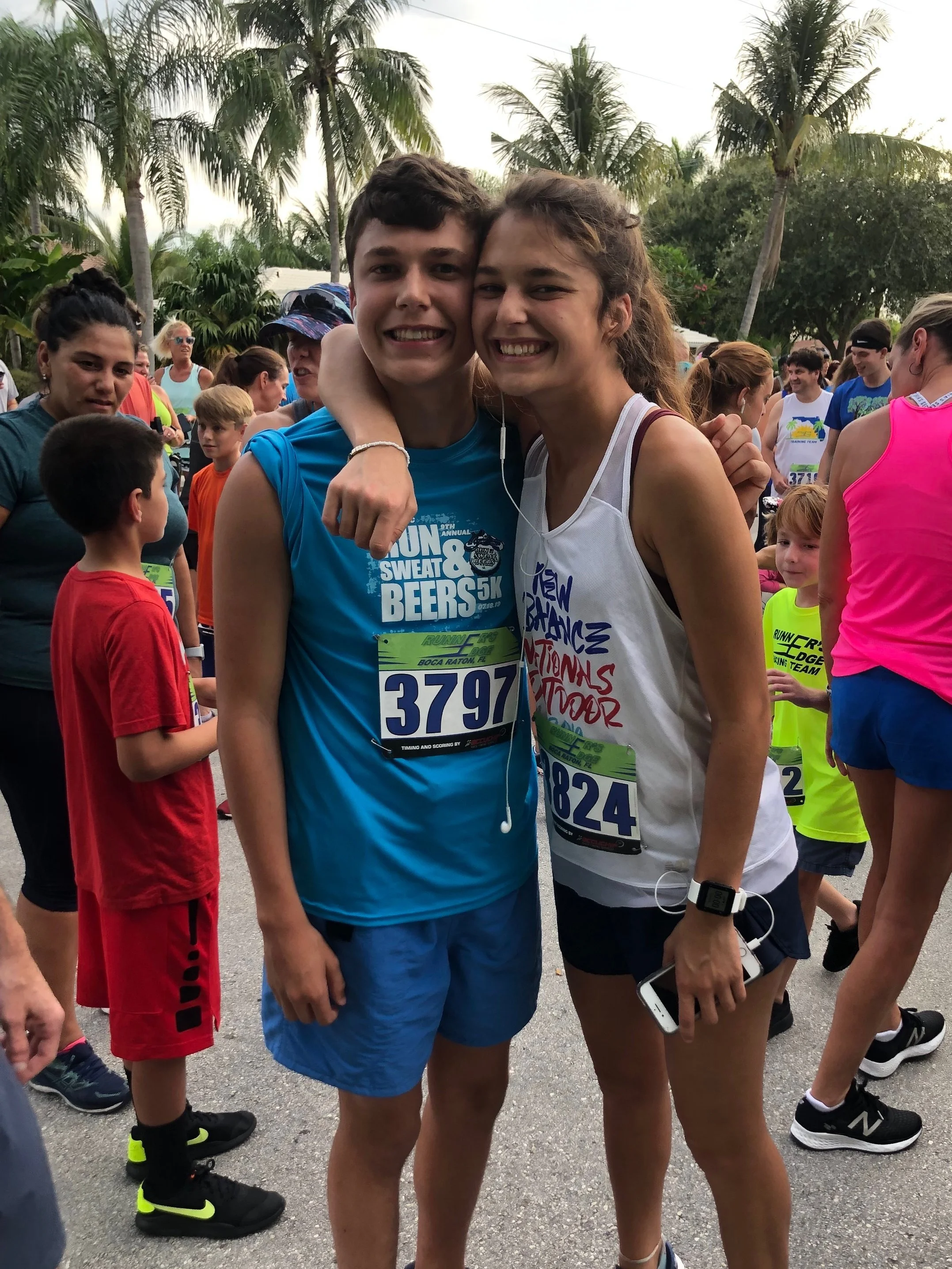


After a 5K fundraiser at our local cancer center, Joel sent me this text. I got a kick out of this, and so did Joel’s oncologist!

Research shows that resistance training may help reduce the frequency and severity of hot flashes. Woo hoo!
Inflammation
Exercise reduces inflammation by activating the sympathetic nervous system. The sympathetic nervous system helps to increase heart rate, blood pressure, and breathing rate. Reducing inflammation is important for cancer patients because “ . . . inflammation predisposes to the development of cancer and promotes all stages of tumorigenesis. Cancer cells, as well as surrounding stromal and inflammatory cells, engage in well-orchestrated reciprocal interactions to form an inflammatory tumor microenvironment (TME).” https://pubmed.ncbi.nlm.nih.gov/31315034/
One 20-minute session of moderate exercise results in anti-inflammatory effects. https://www.medicalnewstoday.com/articles/315255#Analyzing-the-bodys-immune-response-to-exercise
Lymphatic System
Exercise acts as a pump for your lymphatic system, which plays a major role in fighting cancer. With the increased lymphatic circulation, the body’s ability to remove waste is enhanced. Many women who have had a mastectomy are told that they should restrict their exercise, especially lifting heavy weight, in order to not cause or aggravate symptoms of lymphedema. Studies show that this advice can worsen the condition, and that exercise can prevent and improve symptoms of lymphedema. “In breast-cancer survivors with lymphedema, slowly progressive weight lifting had no significant effect on limb swelling and resulted in a decreased incidence of exacerbations of lymphedema, reduced symptoms, and increased strength.” https://www.nejm.org/doi/full/10.1056/NEJMoa0810118
Sleep
A review of the literature reveals that in middle-aged and elderly adults, exercise promoted increased sleep efficiency and duration, especially in those suffering from disease. https://www.ncbi.nlm.nih.gov/pmc/articles/PMC5385214/
Strength
Exercise, especially resistance training, builds and retains muscle. This is especially important as you heal and age. Resistance training improved muscular strength in cancer patients. https://www.ncbi.nlm.nih.gov/pmc/articles/PMC9068528/
Stress
Exercise helps to manage stress by improving your mood. It improves mental health by balancing hormones. Exercise also improves your sense of control, coping ability, and self-esteem, which is all helpful in dealing with a diagnosis. Exercise improves the psychological state of cancer patients. https://www.ncbi.nlm.nih.gov/pmc/articles/PMC8645643/
Sweating
Sweating is another benefit of exercise because it carries toxins out of the body to maintain optimal health. https://www.ncbi.nlm.nih.gov/pmc/articles/PMC3312275/
Things to Consider
DIET
Athletes eating a plant-based diet have improved utilization of oxygen, and therefore better performance. https://pubmed.ncbi.nlm.nih.gov/30634559/
Eating high-carbohydrate plant foods rather than protein shortly after exercise is the best way to restore muscle glycogen (essential fuel for intense exercise). https://pubmed.ncbi.nlm.nih.gov/20489032/
Carbohydrate is the preferred energy source for athletics and all human activity, not protein. https://pubmed.ncbi.nlm.nih.gov/16567155/ https://pubmed.ncbi.nlm.nih.gov/24988413/
Visit the Diet page to learn more.
HEART RATE
Be sure to work at the appropriate intensity during your cardiovascular exercise. You can either use the rate of perceived exertion scale (see image to the right), or the target heart rate zone.
To calculate your target heart rate zone:
Take 220 and subtract your age.
Take that number and multiply by 60% (.60) and again by 85% (.85).
The resulting range is your ideal intensity for cardiovascular workouts. Aim to achieve a heart rate within this range.
Buy a watch that monitors your heart rate so you can be sure you are working hard enough, but not overexerting.
HYDRATE
If you exercise, drink even more than the recommended 64 ounces per day for adults.
Athletes need to drink even more water. When athletes are dehydrated, they can experience decreased endurance and less exercise benefits. Just 2% fluid loss can cause these issues. https://pubmed.ncbi.nlm.nih.gov/8438652/https://pubmed.ncbi.nlm.nih.gov/17921463/

Our ancestors practiced "grounding" (walking barefoot) regularly. Grounding increases your voltage (cellular membrane repair). Joel says they practiced grounding because they didn’t have shoes. :)
over-EXERCISing
Exercise creates oxidative stress, requiring athletes to eat more antioxidant-rich fruits and vegetables than sedentary people. Rather than 7-13 servings per day, athletes should consume about 16-18 servings. If you follow the advice on the pages of this website, you will be eating plenty! Here are two studies about exercise, oxidative stress, and the power of antioxidants. https://www.ncbi.nlm.nih.gov/pmc/articles/PMC4333958/ https://journals.physiology.org/doi/full/10.1152/jappl.2000.89.1.21
Exercise Ideas
Schedule exercise on your calendar just like you would any other important appointment. If you’re just getting started, aim for at least three times per week. As you develop a rhythm, work toward making exercise a regular part of your life and include a combination of cardiovascular exercise, strength training, and flexibility. I have learned that the governmental minimum recommendations for exercise may be ideal when starting an exercise program, but they will not be enough long term. For instance, ACSM and CDC recommendations state, “All healthy adults aged 18–65 years should participate in moderate intensity (breathing heavily; can hold a short conversation) aerobic physical activity for a minimum of 30 minutes on five days per week, or vigorous intensity (short of breath; can speak a sentence) aerobic activity for a minimum of 20 minutes on three days per week.” https://www.acsm.org/education-resources/trending-topics-resources/physical-activity-guidelines. The general recommendation for adults is at least 150 minutes of moderate-intensity aerobic activity or 75 minutes of vigorous activity each week, along with muscle-strengthening activities. This is a great place to start. But don't stop progressing! Your goal should be to continually improve your fitness level. Over time, you can increase your endurance, strength, intensity, or duration as your body becomes more conditioned.
After my diagnosis, I started with walking, then progressed to jogging and running. I eventually hired a personal trainer and slowly began rebuilding my muscle strength. As my fitness improved, I added HIIT (high-intensity interval training) workouts that combine cardiovascular and strength exercises. See the HIIT explanation below.
You can exercise on your own, join a gym, hire a personal trainer, or gather friends, neighbors, or coworkers and exercise together. I used to train a group of teachers right at their school! Find something you enjoy, challenge yourself appropriately, and stay consistent. Below are some ideas for building a well-rounded exercise program.
Cardiovascular
Aerobic exercise develops cardiovascular fitness. Examples are: biking, fast walking, running, swimming, treadmill, aerobic classes at a gym, etc.
First thing in the morning, get your blood pumping with a few minutes of aerobic exercise.
If you don't have time to exercise before work, take a brisk walk or jump on a mini trampoline for ten minutes before leaving for the day.
Aim to do aerobic exercise in your target heart rate zone at least three times per week.
Strength
Strengthen your muscles with resistance exercises (like push ups or weight training) 2-3 times per week.
Stretch
Be careful to gently stretch the body in pain-free ways. If you have pain, invest in a good physical therapist in order to learn how to stretch properly. I try to stretch every day and even at night.
I do specific stretch movements that I learned from a pain and movement expert.

Photo: Arrow Physical Therapy Seattle
HIIT (high intensity interval training)
THE WINNING COMBINATION = CARDIO + STRENGTH
HIIT alternates short bursts of intense activity with periods of recovery. For example, exercise at high intensity for one minute, recover for three minutes, and repeat for 15–20 minutes.
A 2022 study found that high-intensity aerobic exercise increased glucose consumption by internal organs, reducing energy availability to tumors. The study also reported an association with up to a 72% lower risk of metastatic cancer. https://neurosciencenews.com/aerobic-exercise-cancer-21840/
Exercise at Home
“I would definitely not suggest an all-in-one machine to get fit . . . your body is the machine! ”
As I got stronger after surgery, I knew I needed to get back to strength training. I reached out to my close friend Sarah Franklin, a former CrossFit champion, and asked her to be my personal trainer. She agreed, but we were in the middle of COVID, so with her guidance, I ordered some basic equipment and began exercising at home.
What started with a few pieces of equipment eventually became a gym in our garage. We invested a few thousand dollars to make it work for the whole family, but it ultimately saved us money—and, more importantly, made exercise fit seamlessly into our lifestyle. Instead of spending time driving to and from a gym, we could spend that time exercising. It was a game-changer! Our gym gets used almost every day.
I'm sharing what worked for us, but you don't have to build a home gym! Below are some equipment suggestions. Choose what works for your space, budget, and fitness goals. You can start with just a few basics and add equipment over time.
And don't overlook used equipment—you may find a great deal from someone currently using their treadmill as a clothes rack. :) If it's within your budget, consider hiring a trainer to help you get started and design a program that works for you.

My trainer, Sarah Franklin, has been a big part of my healing! She is a firefighter, paramedic, SWAT medic, 4th place CrossFit champion in 2017, and mother of three! She helped us set up our own home gym.
EQUIPMENT (cardio)
As Sarah says, “. . . your body is the machine,” so it is ideal to work your cardiovascular system by getting outside and walking, running, biking, etc. However, sometimes an indoor cardio machine can be helpful for days with inclement weather. Here are just a few of Sarah’s favorite cardio machines:
Jump rope: choose your cable length according to your height.
Rower: indoor rowing machine that is low impact for the beginner, and intensive enough for the fittest athletes.
Skier: can be wall mounted or used with a floor stand.
Stationary bikes:
Trampolines: I use a mini trampoline almost every day. Rebounding is not only fun, but it positively affects the lymphatic system, just like all physical exercise. I purchased an inexpensive trampoline and used that for two years, then invested in a more expensive version when I knew I would use it every day. Start by keeping your feet on the trampoline and just lightly bounce. Then, when you’re ready, jump — bringing your feet off the trampoline and getting your arms involved (i.e. jumping jacks). You can even sit on the trampoline, lightly bounce on your bottom, and eventually get to the point where you lift your feet off the floor and use your arms to bounce your body more vigorously. I have experimented with all kinds of movements, and I look forward to jumping each day. I try to jump for at least ten minutes each day, ideally in the morning. You can even take your trampoline outdoors and jump.
Mini trampoline ($)
Mini trampoline ($$$$)
EQUIPMENT (strength - BASIC)
Sarah suggests the following starter equipment:
Dumbells:
Kettlebells: (9LB - 203LB) I currently use 35LB
Medicine ball: (4LB - 30LB) I currently use 12LB
EQUIPMENT (strength - advanced)
Sarah suggested the following advanced equipment to build our home gym:
Bar: (choose one of these bars)
Bar (for beginner - 15LB)
Bar (for women - 35LB)
Bar (for men - 45 lb)
Plates/bumpers (10LB - 55LB)
Box: (plyometric—choose one of these boxes)
Loop bands: loop over ankles to work glute
Sled: (choose one of these sleds)
Utility bench: (flat)
Wall-mount rack with pull-up bar:
Monster bands to assist with pull-ups
Rings need to be hung from pull-up bar, ceiling, etc.
MASSAGE
Massage balls and rollers are great for working out stiff muscles.
A massage gun is also a great tool for targeting a specific area of the body.
MATS
VIBRATION PLATE
Vibration machine: A full body vibration plate is a way to quickly move or shake your body. Joel uses this to prevent bowel blockages, too.


Sarah has introduced us to so many great fitness tools like medicine balls.
My dog, Chuck, likes to get in on the jumping with me! It’s the cutest thing!
From Sarah Franklin:
Along with fruits and vegetables, exercise should be prescribed by every oncologist. After researching cancer and exercise, I discovered over 50 studies that show an increase in survival rates for cancer patients who exercise compared to those who don’t. There is no doubt that all cancer patients should be committed to exercise.
According to the Clinical Oncology Society of Australia, "Reports indicate that approximately 60-70% of cancer patients do not meet aerobic exercise guidelines and it is estimated that approximately 80-90% do not meet resistance exercise guidelines." https://www.cosa.org.au/media/332583/cosa-position-statement-oct2019-web-final.pdf

My Personal Trainer’s Top Tips
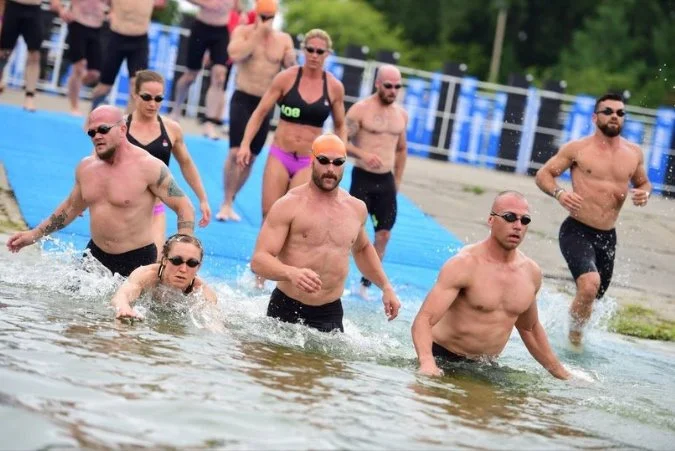
Sarah at the Crossfit Games on ESPN in August of 2017.
My exercise recommendations include:
At least 5 hours a week of light to moderate intensity aerobic activity (breathing heavily; can carry on a conversation). This would include activities like biking, hiking, rebounding, roller skating, walking, etc.
At least 2.5 hours of moderate to vigorous intensity (short of breath; can speak a sentence) aerobic exercise that targets major muscle groups.
One of the reasons I love Crossfit is because it includes high intensity interval training (HIIT). It blends aerobic exercise with functional, strength training movements performed at high intensity. This kind of balanced exercise results in a variety of benefits — not only overall fitness, but less fatigue, less mental distress, better quality of life, and overall better outlook.
I also encouraged Julie to make the sauna a regular part of her routine. We started going together to the sauna after Julie’s training sessions. Whole-body heat stress triggers some of the physiologic responses observed with exercise. https://pubmed.ncbi.nlm.nih.gov/22488284/
Visit the CAM Treatment page to learn more about the sauna.
I am so proud of Julie — she has come a long way from crying in that first session. My only regret is that we didn’t take her before and after photo!
EXERCISE
I have always been active! I played outside constantly as a child, which naturally evolved into becoming a middle school, high school, and college athlete. In college, I became a fitness instructor and began teaching group fitness classes. Eventually, I earned my personal training certification. I practically lived at the gym in my 20s and even dabbled in bodybuilding.
I continued teaching and training until I became a mom. For many years after that, I diligently went to the gym for both cardio and strength training. A few years before Joel was diagnosed, I gave up my gym membership and started running instead.
Leading up to my diagnosis, I began experiencing cramping and fatigue while running. I just didn't feel like myself. Looking back, this should have been a red flag.
After my diagnosis and surgeries, I knew I wanted to return to exercise as soon as I had healed. I started by walking and gradually worked my way back to running. Once I was able, I also began jumping on a mini trampoline to strengthen my legs and get my body moving.
Eventually, I hired Sarah as my personal trainer. I remember my first session—but I would like to forget it! I actually cried during the workout because I was trying to do a proper push-up and couldn't. I couldn't believe how weak I had become.
But little by little, I got stronger. I started cheering myself on—literally! I am so grateful for Sarah, who has encouraged and challenged me all along the way.
My Exercise and Pain Journey
My first pull-up without a resistance band!
PAIN
My cancer diagnosis awakened in me a new level of body awareness. As I became more consistent with exercise, I also began noticing aches and pains that I had assumed were simply a normal part of aging. I realized I had been living with hip and knee pain for several years, and I wanted to address it. In addition to everything I was already doing to improve my health, I sought the help of an expert to learn how to move my body differently and overcome pain. Visit the Flourish page to learn more.
I am grateful to have connected with Eileen Kopsaftis, a pain and movement expert. Eileen lives in New York and I’m in Florida, but through virtual sessions, she was able to assess my movement, identify my limitations, and develop a program specific to my needs. I continue to practice those movements regularly. Eileen’s teaching has changed the way I think about movement, exercise, stretching, and pain. I subscribe to her YouTube channel and am a member of her organization, Have Lifelong Wellbeing.
Thanks to Eileen and my commitment to a daily routine of healthy habits, I’m living pain-free!
I perform those movements on a daily basis. Eileen’s teaching has shifted my thinking regarding movement, exercise, stretching, and so much more. I subscribe to her YouTube channel and I am a member of her organization, Have Lifelong Wellbeing. Thanks to Eileen and my commitment to a daily routine of health habits, I’m living pain-free!
Here are some of my favorite movements Eileen taught me to help stretch and mobilize my thoracic spine.
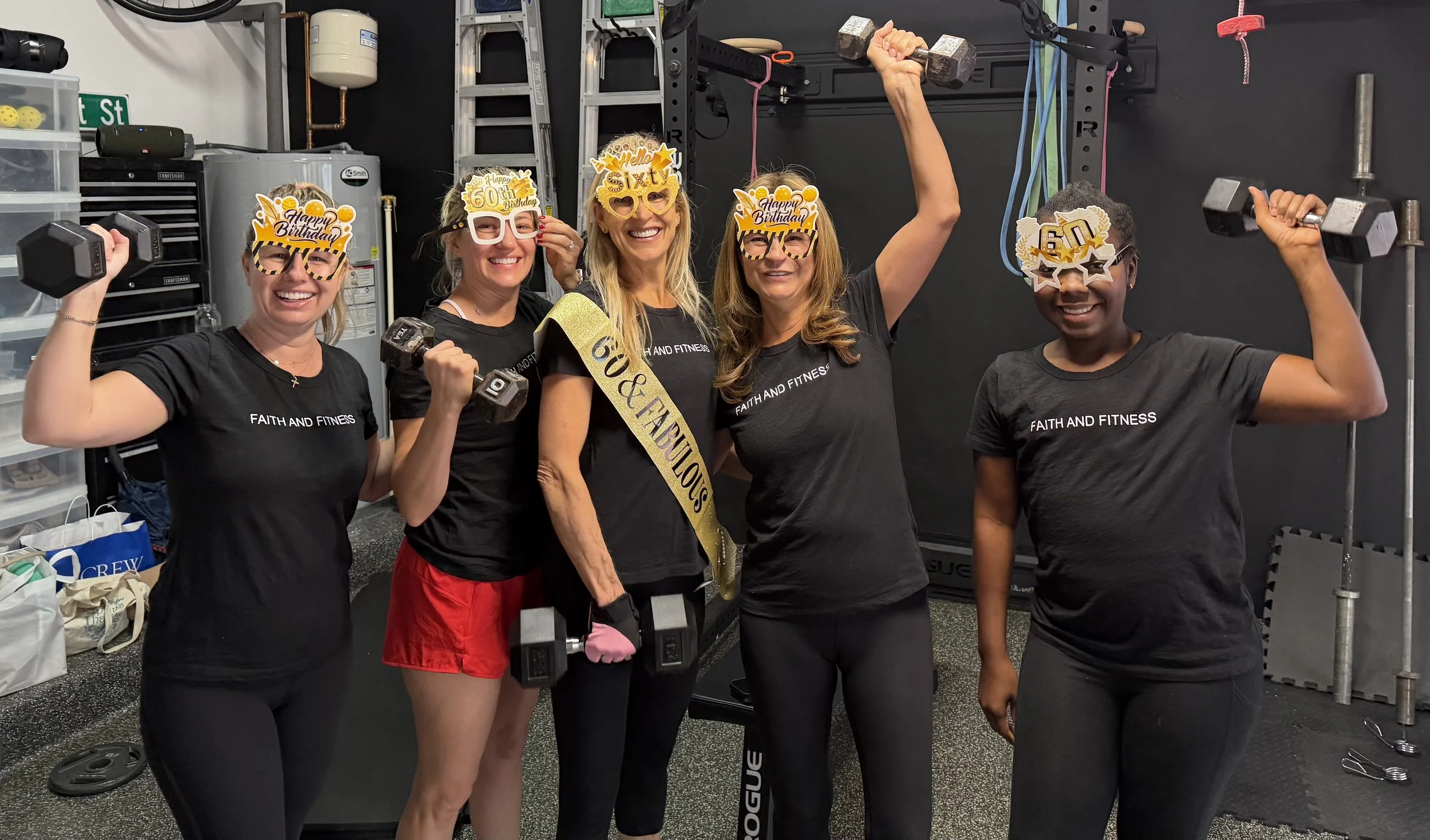
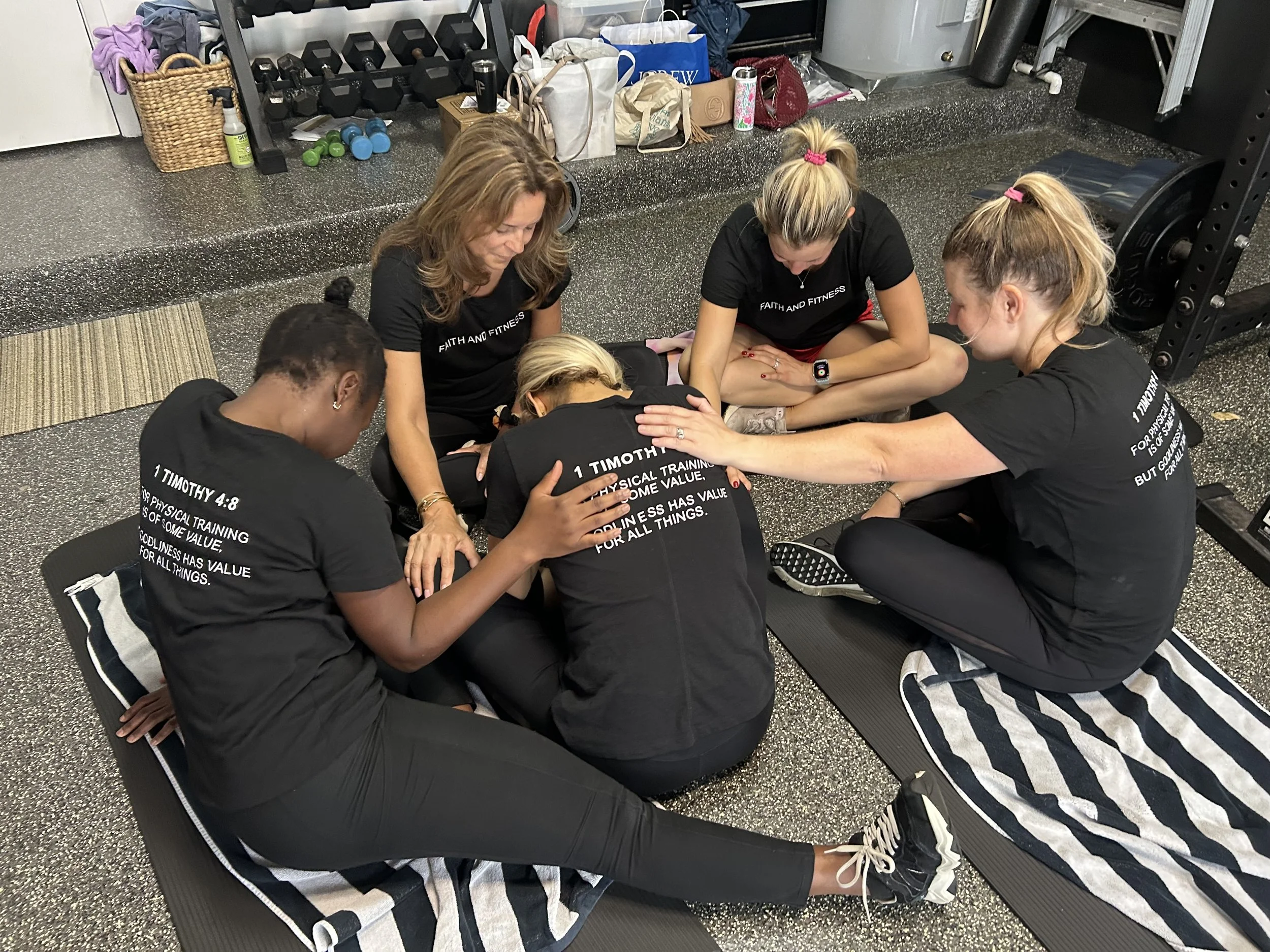
What a blessing! Today, I have a group of women who meet in my garage gym several times a week to work out together. I named our group Faith & Fitness because we focus on growing stronger both physically and spiritually. God has blessed me with such a wonderful community of women! Just a handful come each time, depending on what works best for their schedules, and I especially love when they bring their precious kids!
Several times a week, we do CrossFit-style workouts that include HIIT (high-intensity interval training), combining cardio and strength training. Having these women show up is motivation for me. I love and appreciate every one of them so much!
For my 60th birthday, they surprised me with the most beautiful celebration—and, of course, we did 60 burpees! We do birthday burpees every time someone in the group has a birthday.
But Faith & Fitness is about so much more than exercise. We always end our workouts with a time of sharing and prayer.
Our goal isn't simply to exercise—it's to keep getting stronger, both physically and spiritually! God is good!
Faith & Fitness
Next Up...
DE-STRESS
There is a large body of evidence showing that stressful life events and major negative life changes can increase the risk of cancer. I believe stress was a huge contributor to my cancer.