
Complementary & Alternative Medicine
CAM Treatment
CAM (complementary and alternative medicine) includes non-conventional approaches to health and healing. Complementary therapies are used alongside conventional treatment, while alternative therapies are used instead of conventional treatment.
CAM can include approaches such as acupuncture, traditional Chinese medicine, mind-body therapies, certain supplements, hyperbaric oxygen therapy, and IV therapies. They can help manage symptoms, reduce treatment-related side effects, improve quality of life, or support overall health. CAM treatments may help address cancer stem cells, which are often the cause of progression or recurrence.
The word holistic is sometimes used when discussing CAM because it emphasizes caring for the whole person—body, mind, and overall well-being. Throughout this website, I use the term CAM when discussing complementary and alternative approaches.
COMPLEMENTARY VS. ALTERNATIVE
Complementary means a therapy is used alongside conventional cancer treatment.
Alternative means a therapy is used instead of conventional cancer treatment.
When conventional and complementary approaches are intentionally combined in a coordinated treatment plan, this is often called integrative cancer care.
-
How to vet and select CAM doctors and what to expect in working with them.
-
Learn about CAM treatments that we discovered or experienced on each of our journeys.
-
Learn about supplements and herbs - when to take, best sources, and whether or not they protect against cancer.
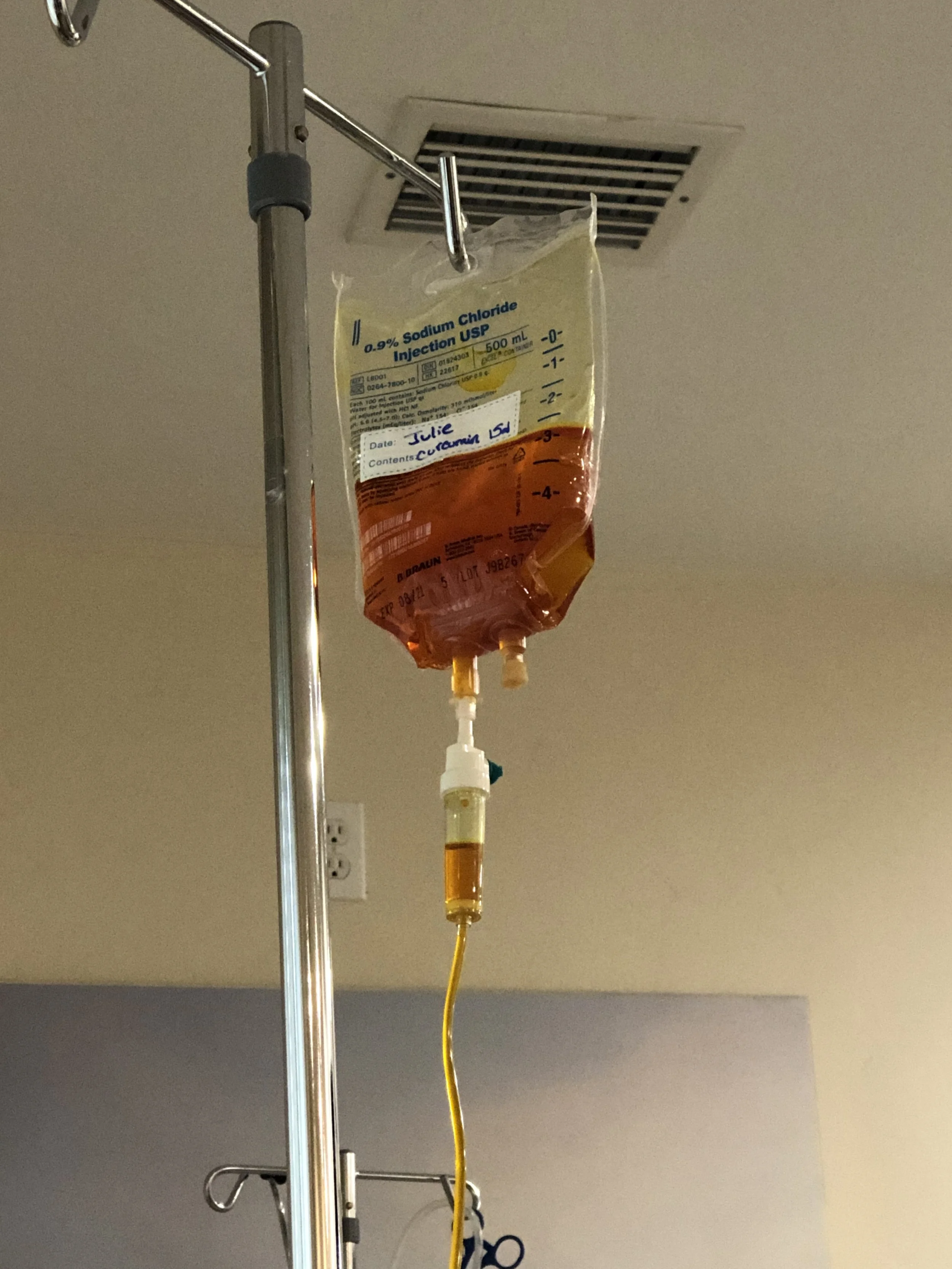
I received a curcumin IV at a CAM clinic.
EXPLORING CAM
If you are interested in CAM, it can be helpful to investigate your options early in your cancer journey. Unfortunately, most cancer patients start looking for CAM treatments after traditional treatment has failed and cancer has progressed, leaving the body and immune system weakened. There are many CAM treatments that can be done alongside conventional treatments to not only protect the healthy cells, but in some instances, make the conventional treatment more effective. An example of integrating treatments would be low-dose chemotherapy coupled with high-dose IV (intravenous) vitamin C or mistletoe therapy. Another example would be immunotherapy combined with hyperthermia.
cam & cancer research
Some reasons patients shy away from CAM are lack of education, funding, confusion, and limited research on efficacy. Companies aren't interested in pouring money into natural substances that can't be patented, leaving many good CAM treatments without supporting clinical research.
Researchers are also studying whether certain complementary therapies may influence cancer stem cells (CSCs), inflammation, immune function, metabolism, and other pathways involved in cancer.
CAM treatments may help address cancer stem cells, which are usually the cause of progression or recurrence. CAM treatments may help to preserve or protect the normal cells, reduce treatment side effects, and extend survival. Interestingly, research shows that most cancer patients are using CAM therapies as part of their treatment. https://pubmed.ncbi.nlm.nih.gov/15711946/
“When compared to the general population, cancer survivors were more likely to use CAM and communicate this use with providers, indicating a growing integration of CAM in conventional medical care.” https://www.ncbi.nlm.nih.gov/pmc/articles/PMC3564962/
I wish we had incorporated more CAM treatments alongside Joel’s conventional treatment, and even asked his oncologist to work with a CAM doctor which is happening more and more. I am sharing our experience in working with CAM doctors, along with many of the treatments we have undergone or learned about on our journey. After my diagnosis and surgeries, we dove headfirst into many CAM therapies, which was just before Covid-19 started. We got up early, kissed the kids goodbye, and drove to a clinic three hours from our home several times a week to undergo multiple treatments. We stopped at organic markets to eat meals. It was an uncertain time in our lives that we will never forget. Read “CAM And Covid” for more of our story.
Since we both had cancer, we felt it necessary to do everything possible to heal our bodies. We also understood that although we had both experienced conventional treatments, we needed to go after cancer stem cells. Joel said, “We have to throw the sink, refrigerator, dishwasher, and everything else at these cancer stem cells!”
We explored various CAM treatments over the course of a year, and my biggest hope is that our experience will help you on your journey.
Selecting a CAM Doctor
There are many clinics offering CAM treatments, and it can be difficult to decide where to invest your time and money. Cancer patients once often had to travel to other countries to receive CAM treatments, and many still choose to do so. However, it is now possible to find CAM practitioners closer to home. This person may be a doctor, nurse practitioner, naturopath, or chiropractor. This professional can explain the rationale behind treatment recommendations and help you ask the right questions.
If you haven’t already, visit TheMossReport.com and subscribe to access up-to-date information on conventional treatments, CAM treatments, CAM clinics around the world, clinical trials, and more. I especially appreciate that Dr. Moss identifies CAM treatments with the most supporting evidence for specific cancers, which can help you determine where to begin.
Our effort to find a CAM doctor began by identifying a well-researched treatment called mistletoe for breast and colon cancer. We then looked for a doctor who administered mistletoe. Joel and I found our doctor and clinic through an organization called Believe Big. You can search by state on their website to find an integrative practitioner near you. Visit the Treatment page for a list of clinics and websites.
If you’re already seeing a CAM physician, you can use the Moss website as another resource when evaluating treatment recommendations. This may help simplify your decision-making process. There is no cookie-cutter CAM protocol for everyone because every person’s health and cancer diagnosis are unique.
While books, websites, conferences, symposiums, and testimonials about CAM treatments are constantly being shared, I recommend favoring treatments that are supported by clinical research. Keep in mind, however, that some CAM treatments have limited research due, in part, to limited research funding. Many of these treatments are also not covered by health insurance and must be paid for out of pocket.
I believe most health professionals genuinely want to help people. CAM doctors will often use a combination of therapies. In our experience working with many doctors, they were open to sharing evidence supporting their recommendations. Some even acknowledged when they had changed their treatment approaches after learning that something wasn’t working or that another option might be more effective.
Choose CAM doctors who are willing to share the research behind their recommendations, and be sure to vet them. Are they licensed? Skilled? Well-respected? Visit the Treatment page for a list of questions to ask CAM doctors.
Members of your CAM medical team may include: an acupuncturist, chiropractor, holistic or integrative physician, naturopathic doctor, traditional Chinese medicine practitioner, biological dentist, registered dietitian/nutritionist, physical therapist, massage therapist, personal trainer, psychologist, counselor, or other mind-body practitioner.
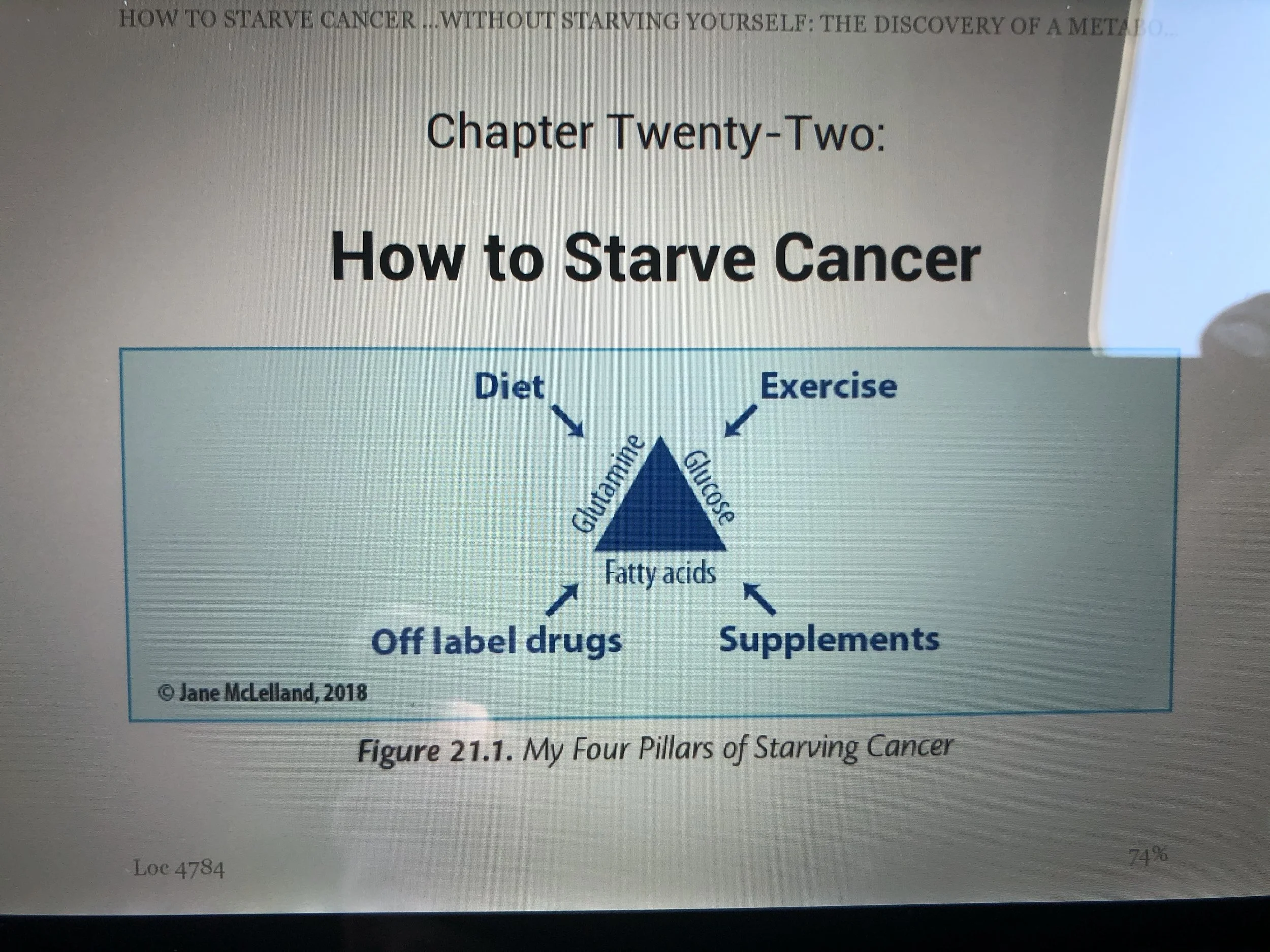
Just before starting at the clinic, we read Jane McLelland’s book, How To Starve Cancer. It was a helpful introduction to the type of approach we would experience at the clinic. Jane had stage 4 cervical cancer that had spread to her lung. Her “starve cancer” plan included a combination of diet, exercise, supplements, IV therapies, and off-label drugs aimed at targeting cancer cells through multiple pathways. This was very similar to the type of protocol our doctor developed for Joel and me.
What to Expect
APPOINTMENT
There will most likely be a fee for your first CAM consultation, followed by additional fees for follow-up appointments to review test results or assess your progress. Fees vary considerably by practitioner and clinic, so ask for a clear explanation of what the initial consultation includes and what follow-up appointments will cost, so you have a full understanding before you begin. Also ask whether the doctor will review the proposed treatment protocol with you, provide research supporting the recommendations, and give you an opportunity to ask questions so you clearly understand the path forward.
DIETARY PROTOCOL
Every CAM doctor we saw recommended either a ketogenic or Mediterranean-style diet for cancer. Joel and I tried a vegan keto diet, but neither of us felt good on it.
One of the largest studies of the Mediterranean diet, the PREDIMED trial, was originally published in The New England Journal of Medicine in 2013. The Mediterranean diet didn't make sense for us either because olive oil is typically a primary source of fat, and the diet may also include fish, meat, and dairy products. Isn’t it interesting that many use this diet to tout the benefits of olive oil, meat, and red wine, but in 2018, The New England Journal of Medicine retracted one of the largest studies that they had published in 2013; showing that 30% of heart attacks and strokes could be avoided by eating diets high in olive oil, nuts, wine, fish, and fruits and vegetables. Of course, I believe that a diet rich in plants is beneficial, but I also believe it should be lower in fat. https://www.npr.org/sections/health-shots/2018/06/13/619619302/errors-trigger-retraction-of-study-on-mediterranean-diets-heart-benefits
A whole-food, plant-based diet made the most sense. I share this because it is important to study recommendations from any type of doctor and make your decisions based on the body of scientific evidence. Visit the Diet page to learn more.
IV THERAPIES
Most of us have experienced IV (intravenous) therapy at some point in our lives. Hospitals routinely use IVs to deliver fluids, medications, nutrients, and other treatments directly into the bloodstream.
Some CAM and integrative clinics also offer IV therapeutic infusions, which may contain substances such as vitamin C, alpha-lipoic acid (ALA), minerals, or other nutrients. These IV therapies are becoming more and more popular, especially for cancer. They can be helpful before, during, or after cancer treatment, and any time the immune system needs assistance.
We worked with CAM doctors who customized IV therapeutic infusions for each of us for more than a year. Because we traveled several hours to the clinic, we sometimes received IV infusions for four to six hours a day, several times a week. One thing I wish we had better understood was the effect repeated IV access could have on our veins. Over time, both of us experienced problems with our veins, making it increasingly difficult to place an IV. I wish we had understood this risk. Read more in the IV (Intravenous) Therapeutic Infusions section below.
LABS
CAM professionals may order many of the same laboratory tests used in conventional medicine, including blood, urine, and stool tests. Depending on the practitioner and your situation, they may also recommend additional or less commonly used tests. Some may order tests involving markers such as hCG (human chorionic gonadotropin), IGF-1 (insulin-like growth factor 1), or VEGF (vascular endothelial growth factor). Some may also recommend testing for circulating tumor cells (CTCs). Certain CTC tests have established uses in specific cancers, while other commercially available tests may have less evidence supporting how their results should guide treatment. NCI, for example, lists CELLSEARCH CTC testing for metastatic breast, prostate, and colorectal cancers. https://www.cancer.gov/about-cancer/diagnosis-staging/diagnosis/tumor-markers-list
Before agreeing to a test, ask: Why are you ordering this test? What will the results tell us? Will the result change my treatment plan? Is the test validated for my type of cancer? If the practitioner cannot clearly explain how the information will be useful, you may want to reconsider whether the test is worth the expense.
OFF-LABEL DRUGS
CAM doctors may recommend repurposed medications—drugs originally developed for another condition that are being investigated for possible use in cancer. Off-label use has a broader meaning. It occurs when a physician prescribes an FDA-approved medication in a way that is not included in its FDA-approved labeling, such as for a different condition, cancer type, dose, or treatment setting. Off-label prescribing is legal and is also common in conventional oncology. Visit the Conventional Treatment page to learn more about off-label drugs.
SUPPLEMENTS
CAM doctors may recommend supplements based on your health history, diet, symptoms, or test results. At one point, we felt like we were swallowing supplements all day long, and we both felt sick to our stomachs. We were also spending a lot of money. We were following our doctor's protocol, which included many isolated supplements, but relying so heavily on supplements instead of whole foods went against much of what we believed about nutrition. There may be times when supplements are appropriate, particularly when correcting a documented deficiency or addressing a specific need. Ask your doctor why each supplement is being recommended, what research supports it, and how long you should take it.
Eventually, we went back to leaning on our diet to get what we needed. We take just a few supplements (derived from whole foods) every day. Visit the Julie’s Kitchen page to learn more about supplements.
CAM TREATMENTS
Many CAM treatments are not covered by health insurance and can become expensive. Clinics may charge separately for consultations, laboratory testing, supplements, IV therapies, and individual treatments. Before beginning a protocol, ask for a clear, written explanation of the recommended treatments and anticipated costs.
CAM and Covid:
-
At the time, there was only one doctor in Florida offering mistletoe therapy. Her clinic was a three-hour drive from our home, so beginning in February 2020, we made the trip three times a week for treatment.
-
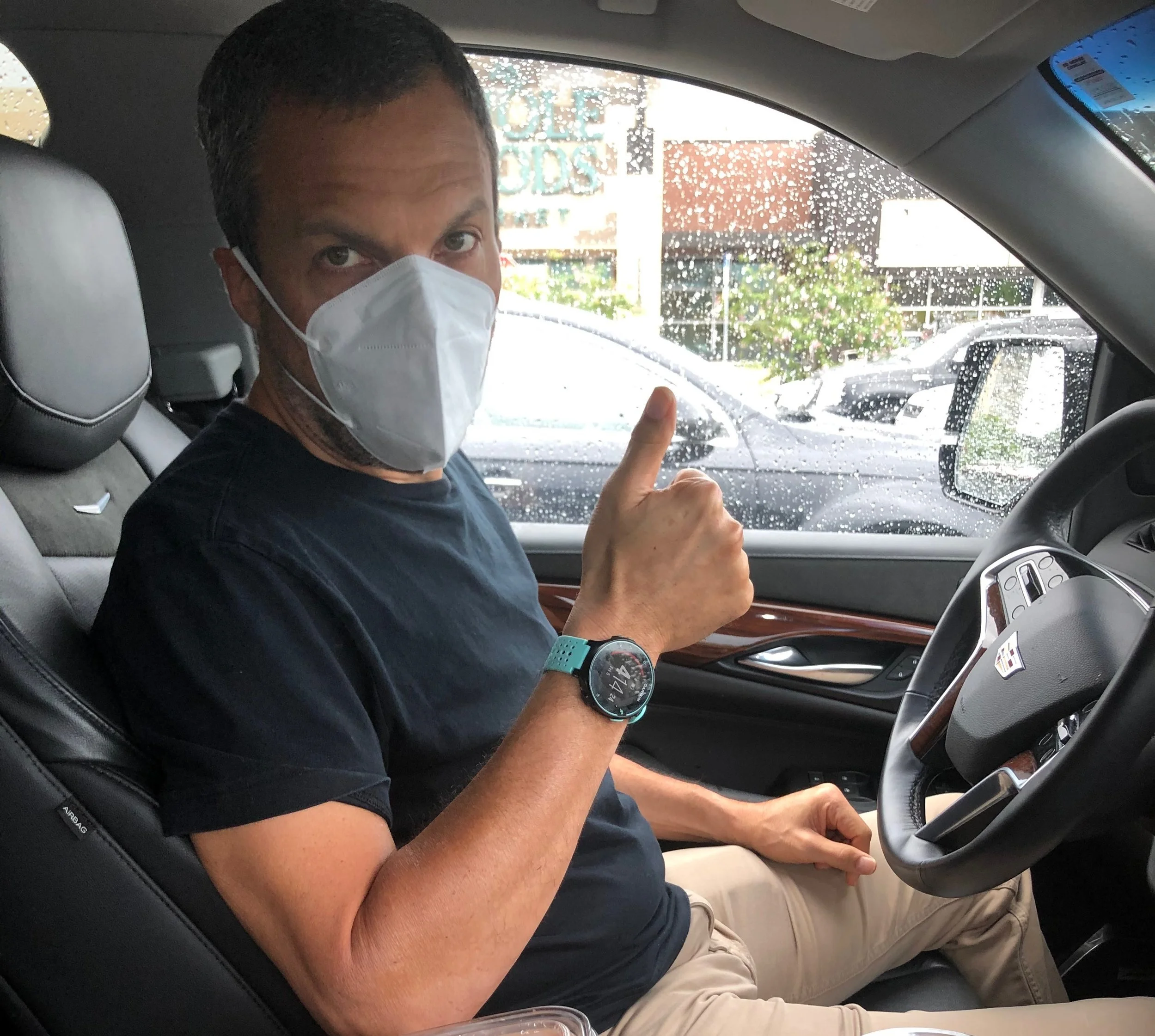
Then COVID-19 hit the U.S., and life largely shut down for nine months—but our visits to the clinic continued. We kept making the drive back and forth at least three times a week.
-
We would get up, leave the kids at home doing school online, and head to the clinic for five to seven hours of treatment at a time. It was a bizarre and scary time for everyone, but especially for our kids.
CAM Treatments
The CAM treatments and approaches below are ones that we personally explored or used during our cancer journey. Depending on the therapy and individual situation, some complementary approaches may be used before, alongside, or after conventional cancer treatment to strengthen the systems of the body (i.e. immune, lymphatic, etc.). The amount and quality of research supporting each treatment varies, so be sure to review the latest evidence and discuss any therapy you are considering with a qualified healthcare professional.
I share our experience not as a recommendation, but to provide insight into what we learned and the choices we made along the way. Every cancer diagnosis and treatment plan is different. An approach that was appropriate for us may not be appropriate for you.
Remember that one of the most important things you can do is focus on your foundational health—eat a healthy diet, maintain a healthy weight, stay hydrated, exercise, manage stress, prioritize sleep, and address underlying health conditions. I pray you can find a knowledgeable CAM or integrative healthcare practitioner to help you determine which approaches may be appropriate for you.
ACUPUNCTURE
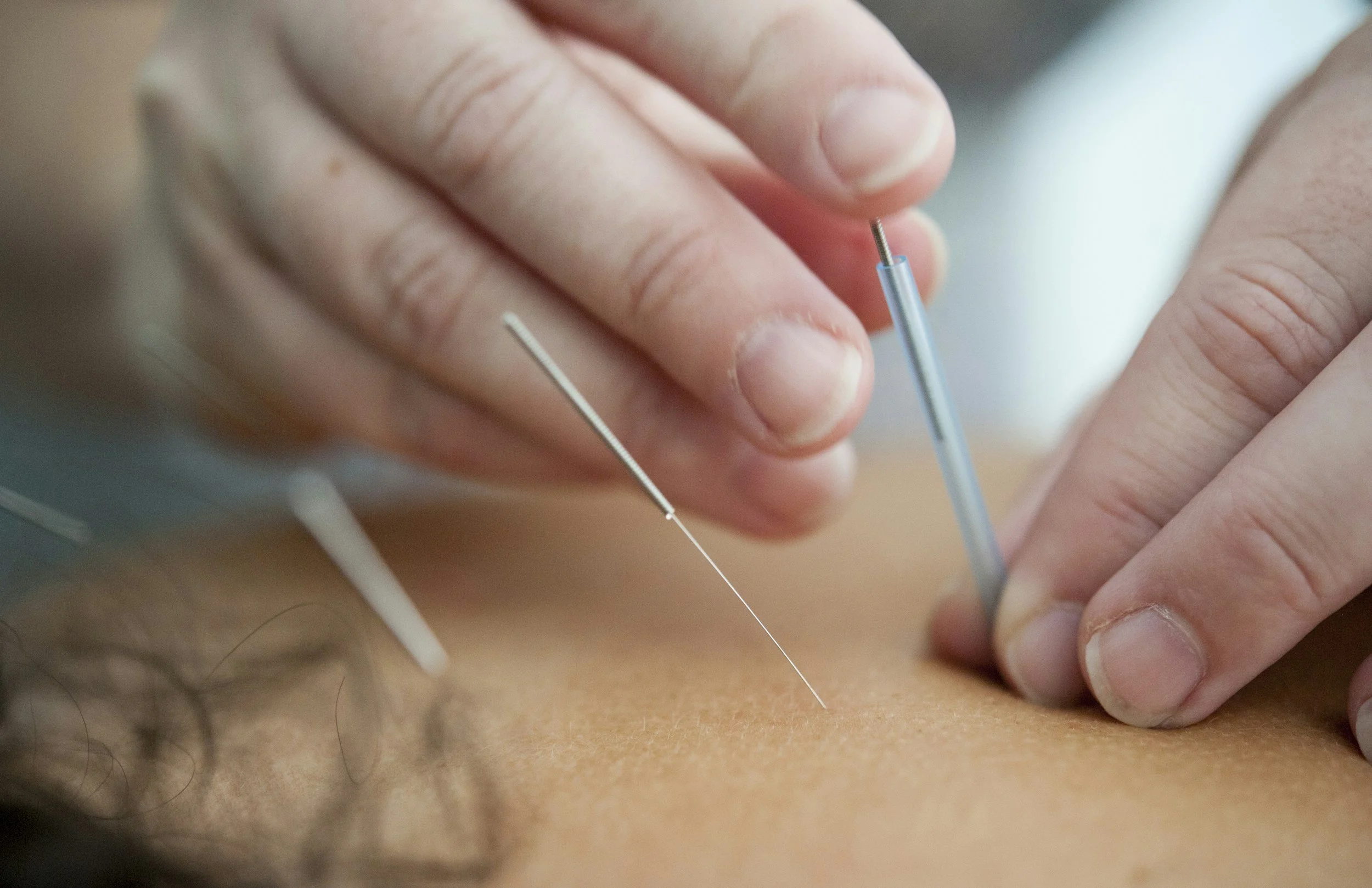
Acupuncture is a traditional Chinese medicine practice that involves inserting very thin needles into specific points on the body. It may help manage certain treatment-related symptoms, including nausea and pain. Acupuncture is now so generally accepted that it is likely being offered at your cancer center.
Acupuncture points are stimulated to promote health or to potentially reduce disease symptoms, and to lessen the side effects of radiation and chemotherapy. https://pubmed.ncbi.nlm.nih.gov/20406930/
“A potential role for acupuncture was found in the following cancer symptoms: pain, nausea and vomiting, xerostomia (dry mouth), hot flushes, fatigue, anxiety, depression and insomnia.” https://pubmed.ncbi.nlm.nih.gov/20605536/
The National Institutes of Health (NIH) also recognizes acupuncture as an effective treatment for chemotherapy-related nausea. https://pubmed.ncbi.nlm.nih.gov/15524070/
Used in traditional Chinese medicine.
Our Experience: Joel did acupuncture during treatment; I did acupuncture before, during, and after my diagnosis.
Biological Dentistry
Biological dentists generally emphasize biocompatible materials and minimizing exposure to substances they consider potentially harmful, including mercury-containing amalgam fillings. This kind of specialized dentist will examine your dental health to see if there are any underlying issues that may be affecting your body, such as a root canal that didn't heal correctly or an infection underneath an extracted tooth. Surprisingly, there was not one biological dentist in the city I live in, requiring me to look outside my area to find a biological dentist.

My biological dentist taught me so much throughout my oral health journey and, at the end, even gifted me the photos you see on this website!
Cannabis (medical marijuana)
Cannabis refers to plants in the Cannabis genus. Marijuana generally refers to cannabis containing enough THC (delta-9-tetrahydrocannabinol) to produce intoxicating effects. CBD (cannabidiol) is another cannabinoid that does not produce the same intoxicating effect as THC.
Cannabis has a long history of medicinal use. In the United States, cannabis-derived preparations were once available as medicines, but increasing regulation during the early 20th century culminated in the Marihuana Tax Act of 1937. In 1970, marijuana was classified as a Schedule I controlled substance under federal law. Federal restrictions have historically made cannabis research more difficult.
Medical cannabis (THC) may help some cancer patients manage symptoms such as nausea, pain, appetite loss, and sleep problems. For some patients, it may provide an alternative to certain prescription medications used to manage these symptoms. Cannabis products may be available in forms such as oils, capsules, edibles, tinctures, and inhaled products. Laws and availability vary by state. If medical cannabis is legal in your state, talk with your medical team about whether it is appropriate for you and how to obtain a medical cannabis card.
According to the Moss Report, “THC (delta-9-tetrahydrocannabinol), a major ingredient in marijuana, is able to control nausea and is marketed as a medicine called dronabinol (Marinol®). That is because the so-called “endo-cannabinoid” system in the body is involved with the regulation of both appetite and nausea/vomiting.” https://pubmed.ncbi.nlm.nih.gov/16849753/ https://pubmed.ncbi.nlm.nih.gov/1652611/
Our Experience: Joel used medical cannabis alongside chemotherapy and radiation, and he was able to let go of several medications he had been taking for side effects such as nausea. Read “Hello, Cannabis! Goodbye, Drugs!” for more about our experience.

On our first visit to pick up medical cannabis, we were so confused! The state of Florida had just approved cannabis. So the whole process was new, even to the cannabis staff.
ESSENTIAL OILS
Essential oils are concentrated plant extracts commonly used in aromatherapy. Research suggests aromatherapy may help some people with cancer manage symptoms such as anxiety, stress, nausea, and sleep difficulties, although evidence varies by oil and condition. Lavender is commonly used for relaxation and sleep, while peppermint aromatherapy has been studied for nausea. Essential oils can be inhaled using a diffuser or, when appropriate, applied to the skin after being properly diluted in a carrier oil, such as coconut, or jojoba oil. Mix one drop essential oil per teaspoon carrier oil and apply to desired area of the body. Avoid applying essential oils to the eyes, mouth, broken or irritated skin, or other sensitive areas. Diffusing essential oils is a simple way to experience the health benefits of essential oil. A diffuser that does not require water is a simpler, more user-friendly way to diffuse.
A systematic review of the literature on the effect of inhaled essential oils for sleep showed that lavender, peppermint, and jasmine were the most effective essential oils for improving sleep quality. https://www.researchgate.net/publication/261601915_A_Systematic_Review_of_the_Effect_of_Inhaled_Essential_Oils_on_Sleep
According to a review of 30 studies, aromatherapy improves sleep quality and reduces stress, pain, anxiety, depression, and fatigue in adults and elderly people. https://www.sciencedirect.com/science/article/pii/S0965229921000807
Our Experience: During treatment, Joel used essential oils in foot baths when the scents didn't make him nauseated. I use a variety of essential oils, including rubbing diluted lavender oil on the bottoms of my feet and on my hands to help me relax before bed and support a good night’s sleep.
Visit the Julie’s Online Favorites page for a list of essential oils.
Essiac Tea
Essiac is an herbal tea traditionally made from four herbs: burdock root, sheep sorrel, slippery elm bark, and Indian (Turkey) rhubarb root. Flor Essence is a different formulation that contains those four herbs plus watercress, blessed thistle, red clover, and kelp. Some of the individual herbs contain compounds that have been studied for antioxidant, anti-inflammatory, or other biological properties.
Essiac was popularized in Canada in the 1920s by nurse René Caisse—“Essiac” is Caisse spelled backward. According to the historical account, Caisse obtained the original herbal formula from a woman who said she had received it from an Indigenous healer in Ontario. Caisse later gave Essiac to hundreds of cancer patients and claimed that some were cured as a result.
The Essiac mixture itself has been shown to treat cancer. https://www.cancer.gov/about-cancer/treatment/cam/hp/essiac-pdq
Many of these herbal ingredients have benefits on their own, such as burdock. https://pubmed.ncbi.nlm.nih.gov/21429215/
There is not clear research evidence that Essiac is helpful for cancer patients as a cure or alongside conventional treatment. https://pubmed.ncbi.nlm.nih.gov/9559016/
Reported side effects of Essiac include nausea and vomiting. Flor Essence's manufacturer lists additional possible effects, including increased bowel movements, frequent urination, headaches, and flu-like symptoms.
You can purchase a version of Essiac tea, called Flor Essence, at a health food store, or you can make your own. Learn more on Cancer.gov.
Many people drink approximately 3 ounces, 3 times per day when they are first diagnosed, which is what we did.
Essiac Tea Brewing Instructions:
Boil one gallon of spring water in a large pot.
Add 1/3 cup of Essiac herbs.
Simmer for 5 minutes, stirring occasionally.
Leave tea in the pot, turn off heat, and let the mixture sit at room temperature for at least 12 hours, but less than 24 hours.
Do not strain the tea, but slowly funnel into a gallon container so that most of the thickened herb stays in the pan. You can throw that away when you’ve gotten most of the liquid out.
Store in the refrigerator. Shake before drinking. Take on an empty stomach.
Fasting
Fasting involves going without food or significantly restricting calories for a period of time. Fasting can also be referred to as dietary energy restriction (DER). There are short-term fasts, which Joel did during chemotherapy; and there are long-term fasts, which I did at water fasting facilities under the guidance of a trained physician.
Short-term fasts
Researchers have investigated whether fasting for a short period before or around chemotherapy may help protect healthy cells, reduce treatment-related side effects, or influence how cancer cells respond to treatment. Early laboratory and human studies have produced interesting results, but the evidence is not yet strong enough to establish fasting as a standard part of cancer treatment.
Short-term water fasting can be done at home during cancer treatment. Discuss this with your physician.
Research shows that a short fast before chemo decreases oxidative stress to normal cells, reduces inflammation, and allows the toxic agents to work even more effectively on the cancer cells. There aren't drugs that can do this. https://pubmed.ncbi.nlm.nih.gov/18378900/ https://pubmed.ncbi.nlm.nih.gov/20157582/
Research shows that a short fast before chemo can decrease side effects. https://pubmed.ncbi.nlm.nih.gov/21088487/
Joel’s Experience: When we learned about the research on fasting, Joel fasted for one to two days around some of his chemotherapy treatments. Because he was already experiencing nausea and loss of appetite from chemotherapy, eating during this time was difficult for him.
Long-term fasts
A water-only fast involves consuming water but no food for an extended period of time, even up to 40 days. When less energy is being used to eat, digest, and process food, more energy is available for healing and repair. Longer fasts should only be undertaken under the guidance of a trained physician has been proven to be safe and effective for improving many health conditions, including cancer, especially advanced cancers.Not everyone is a candidate. For instance, Type 1 diabetics, pregnant women, or people with certain types of cancer would not be considered. Visit the Detox page to learn more about the benefits of medically supervised, water-only fasts. If you are a candidate, it can be a perfect way to jumpstart detox, prepare for or heal from treatment, and reset your taste buds in order to adapt to a plant-based diet.
My Experience: I have done two medically supervised, water-only fasts. Read “Water Fasting Experiences” for more information.
Hyperbaric Oxygen Therapy / Hyperbaric Chamber
Hyperbaric oxygen therapy involves breathing 100% pure oxygen in a pressurized chamber. It is an established treatment for certain medical conditions. This therapy fuels the blood plasma and tissues with oxygen, and has been shown to reduce inflammation and facilitate healing.
Medical research has shown that this is safe for cancer patients, but more research needs to be done to prove that HBO inhibits tumor growth. https://www.ncbi.nlm.nih.gov/pmc/articles/PMC3510426/
My Experience: I've experienced a hyperbaric chamber. Once I got past the initial claustrophobic feeling, I was fine.
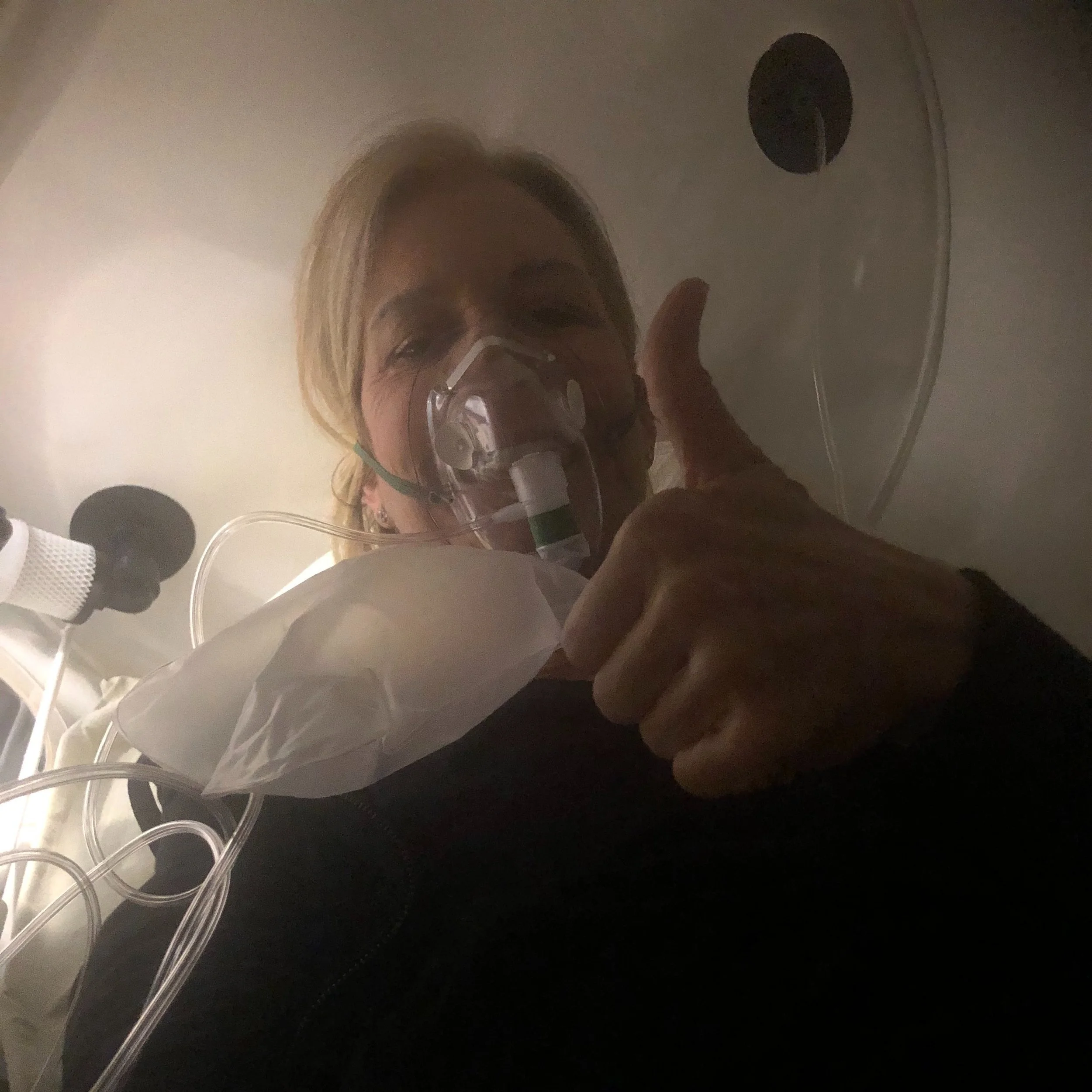
Getting ready to take off into space—just kidding! This hyperbaric chamber delivered high levels of oxygen to my body and tissues.
IV (iNTRAVENOUS) Therapeutic Infusions
Involves administering fluids and nutrients through IV (intravenously).
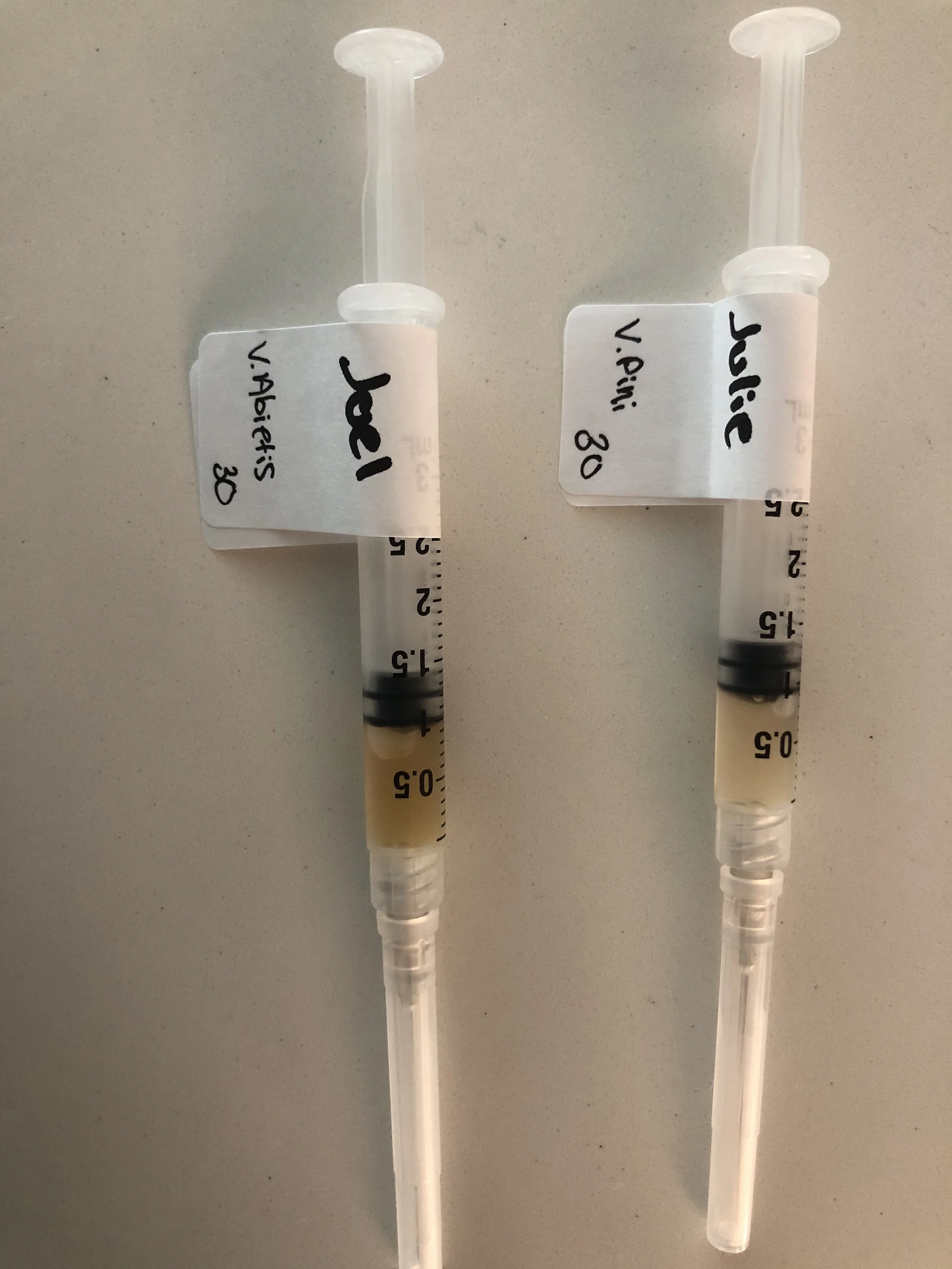
Our Experience: We worked with CAM doctors who customized nutritional IV therapeutic infusions for each of us for over a year. Here is a list of some of the IVs we utilized: ALA (alpha lipoic acid), curcumin, glutathione, H202 (hydrogen peroxide), Poly-MVA, phosphatidylcholine, MSM (methylsulfonylmethane), N-acetyl cysteine (NAC), NAD (nicotinamide adenine dinucleotide), UVBI (ultra violet blood irradiation), high-dose vitamin C. Mistletoe is also offered as an IV, but we did subcutaneous injections, because that’s the only way our CAM doctor offered it. I wish we had done them alongside Joel’s chemotherapy, especially high-dose IV vitamin C, but we didn’t know enough about them at the time.
HIGH-DOSE IV (INTRAVENOUS) VITAMIN C
IV therapeutic infusions involve administering fluids, nutrients, medications, or other substances directly into the bloodstream through a vein. CAM and integrative clinics may offer a variety of IV therapies.
High-dose IV vitamin C has been studied as a complementary therapy alongside conventional cancer treatment. Some studies have reported improvements in treatment-related symptoms or quality of life. Given intravenously, high-dose vitamin C can be beneficial before and after chemotherapy. https://pubmed.ncbi.nlm.nih.gov/1068480/
Scientists are beginning to discover that high-dose IVC may have anti-tumor capabilities and work effectively alongside chemotherapy, keeping the chemo in the cancer cells longer and reducing side effects. High-dose IVC may harm or even kill cancer stem cells (original cancer cells that resist chemo and radiation). CAM practitioners use IVC at high doses, like100 grams.
Given intravenously, high-dose vitamin C can be beneficial before and after chemotherapy. https://pubmed.ncbi.nlm.nih.gov/1068480/
Research shows that vitamin C gets taken up seven times greater than when given through IV. https://pubmed.ncbi.nlm.nih.gov/15068981/
Even though high-dose IVC seems promising, it is not getting the attention of the medical community.
Our Experience: We worked with CAM doctors who customized IV therapeutic infusions for each of us for more than a year. Some of the IV therapies we received included ALA (alpha-lipoic acid), curcumin, glutathione, hydrogen peroxide (H₂O₂), Poly-MVA, phosphatidylcholine, MSM (methylsulfonylmethane), N-acetylcysteine (NAC), NAD (nicotinamide adenine dinucleotide), UVBI (ultraviolet blood irradiation), and high-dose IV vitamin C.
Mistletoe can also be administered intravenously in some settings, although we received it through subcutaneous injections because that was the method our CAM doctor offered.
HIGH-DOSE iv vitamin C research:
https://isom.ca/article/high-dose-iv-vitamin-c-metastatic-breast-cancer-case-report/
https://pubmed.ncbi.nlm.nih.gov/24500406/
https://pubmed.ncbi.nlm.nih.gov/1068480/
https://pubmed.ncbi.nlm.nih.gov/16157892/
https://www.ncbi.nlm.nih.gov/pmc/articles/PMC6566697/
Jane McLelland, in her book How To Starve Cancer, describes the Antioxidant versus Pro-oxidant effect: "At high doses, intravenous vitamin C turns from an antioxidant into a pro-oxidant, giving off free oxygen to the area around a tumor. In this case, the reactive oxygen species (ROS) is hydrogen peroxide (H2O2). This oxygen production near the cell causes a kind of 'rusting' and allows the cell to be attacked and killed. This balance of ROS production and the antioxidant status of cells is crucial to the survival or death of tumor cells. The judicious use of antioxidants is something I have seen patients continue to get wrong. Many patients take huge amounts of antioxidants that counter the effect of the intravenous vitamin C and then are disappointed it hasn't worked." She goes on to discuss the dosage of IV vitamin C. "Unlike the situation with chemotherapy, more is most definitely more, and the higher the amount (up to 75g), the more it becomes selectively toxic to cancer cells by producing more H2O2 (Hydrogen Peroxide)." She finishes with this: "Best of all, for such a potentially useful therapy, normal cells remain completely unharmed."
Jane also points out that IVC works best for cancer when it is combined with off-label drugs, supplements, etc. so work with a CAM professional to guide you.

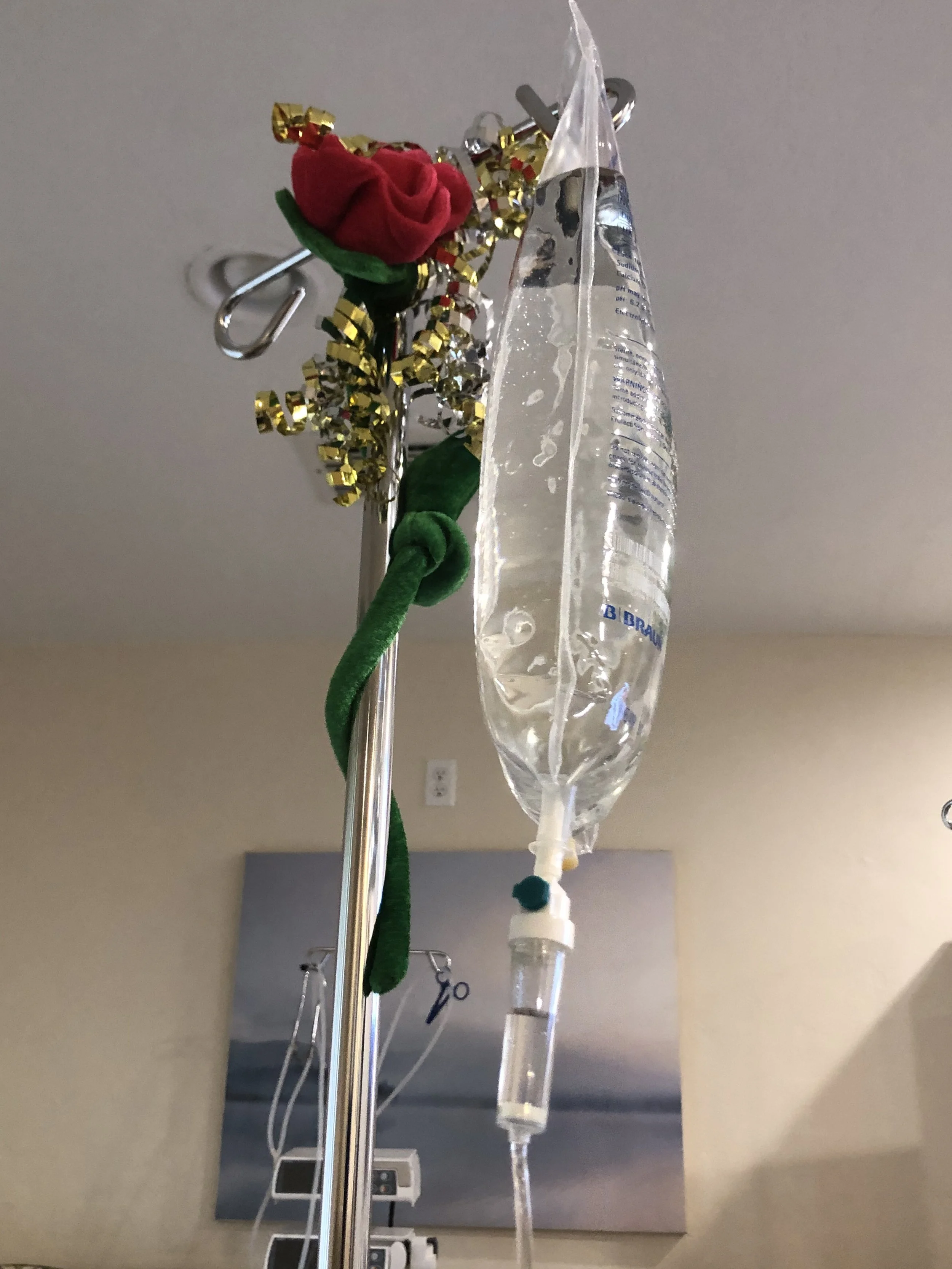
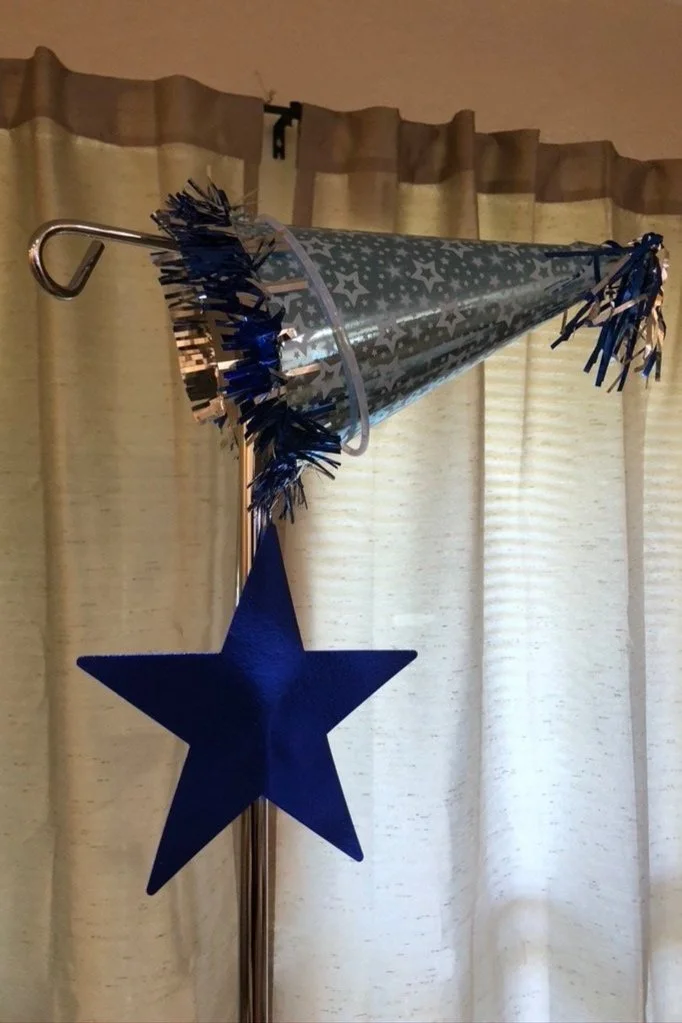
The clinic decorated our IV poles for our birthdays! The staff was so caring.
Mistletoe
Mistletoe is a semi-parasite that lives on trees and has been used for hundreds of years to treat many conditions. Mistletoe berries and leaves are highly poisonous and can even be deadly.
Mistletoe extract is used as a complementary cancer therapy, particularly in parts of Europe. Research has explored its effects on quality of life and treatment-related symptoms, but evidence that it improves cancer survival remains uncertain. The active ingredients in mistletoe are polypeptides, including lectins and viscotoxins, which are thought to be mainly responsible for immune stimulation and possible tumor inhibition.
Mistletoe contains a number of biologically active compounds, including mistletoe lectins and viscotoxins, which have been studied for their effects on the immune system and cancer cells.
It is commonly administered by subcutaneous injection (under the skin), although intravenous mistletoe has also been studied. There are a variety of brand names (Iscador, Eurixor, Helixor, Isorel, Iscucin, and abnobaVISCUM). Mistletoe extract is not FDA-approved in the United States for the treatment of cancer or any other medical condition and should be used under the guidance of a qualified healthcare professional.
In 2023, researchers at Johns Hopkins published the first Phase I clinical trial of intravenous Helixor M mistletoe extract in 21 patients with advanced solid tumors. The primary purpose was to evaluate safety and determine an appropriate dose for further research. Mistletoe was administered intravenously three times per week. Trial results showed that mistletoe improved a cancer patient's quality of life and is safe. In the trial, Helixor mistletoe was administered intravenously three times a week to 21 participants. Overall, the trial results warranted doing a Phase II trial. https://aacrjournals.org/cancerrescommun/article/doi/10.1158/2767-9764.CRC-23-0002/716484/Phase-I-Trial-of-Intravenous-Mistletoe-Extract-inhttps://www.believebig.org/johns-hopkins-kimmel-cancer-center-completed-phase-i-trial-of-intravenous-mistletoe/
The German “FDA” approved Iscador (mistletoe) for the treatment of advanced breast cancer 50 years ago and many German doctors still use mistletoe in their practice. https://www.researchgate.net/publication/12251955_Oncologic_mistletoe_therapy_physicians'_use_and_estimation_of_efficiency
Mistletoe can be used as an adjuvant to chemotherapy and radiation. https://pubmed.ncbi.nlm.nih.gov/16619567/https://pubmed.ncbi.nlm.nih.gov/15015612/ https://pubmed.ncbi.nlm.nih.gov/23195947/
Our Experience: We found a doctor through an organization called Believe Big who was trained to administer mistletoe. We both used subcutaneous mistletoe injections for more than a year.
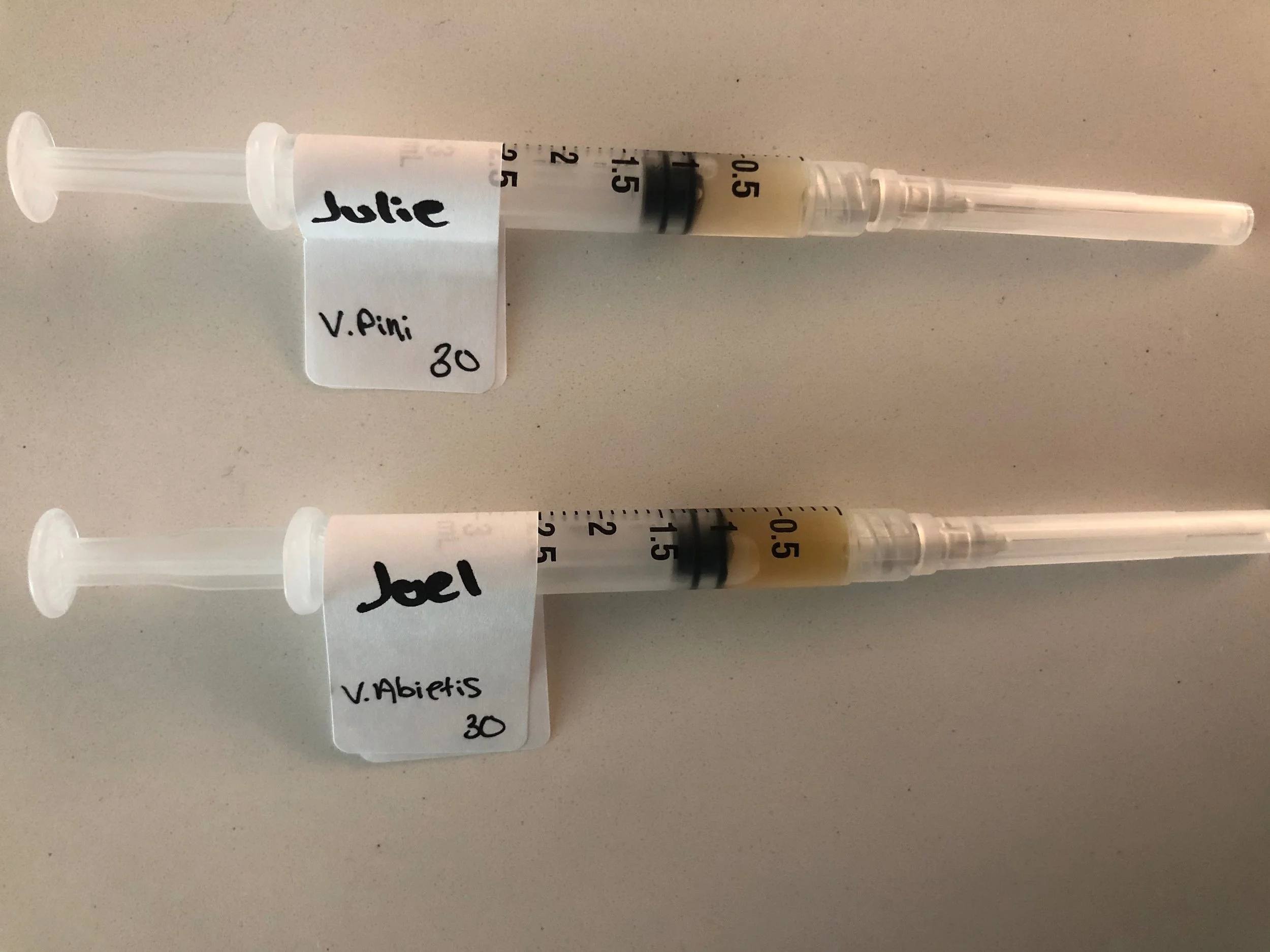
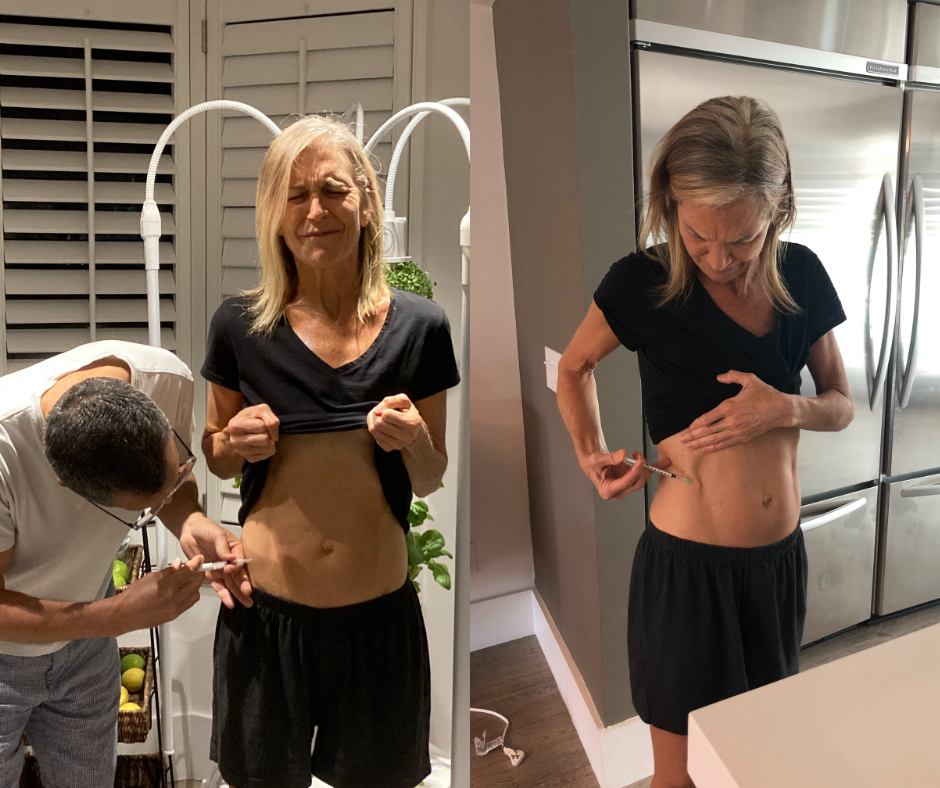
I hate shots, I always have! I was the child screaming at the doctor’s office when a needle emerged. Joel had to give me mistletoe injections until I finally learned to give them to myself.
Music Therapy (stress management)
Music therapy may help alleviate nausea, reduce stress, improve mood, and promote relaxation and sleep. Whether slow and calming or upbeat and motivational, music can have a powerful effect on how we feel. Dancing is another great way to enjoy music while providing an outlet for emotional expression and stress relief. Dancing is also a form of exercise that can boost mood and support physical health.
Listening to or making music may help cancer patients with stress, anxiety, mood, and quality of life. https://www.ncbi.nlm.nih.gov/pmc/articles/PMC4890096/
Our Experience: Joel listened to music during chemotherapy. One of my most emotional memories was hearing him sing “Oh My Soul” by Casting Crowns. I asked him why he was singing, and he said, “It is the best therapy for me!” Music and dancing are among our favorite therapies. Create a playlist of your favorite songs—positive, uplifting songs that comfort you, make you smile, or even make you feel like dancing!
Off-Label Drugs
Off-label means that a doctor prescribes an FDA-approved drug for a different condition, cancer type, dose, or other use than what appears on its FDA-approved label. In other words, the drug is being used outside it’s intended purpose. This practice is legal and common in medicine, including conventional cancer treatment.
It may be difficult to get off-label drugs from oncologists. These will usually be prescribed by a CAM doctor.
Many CAM doctors will prescribe a treatment plan using off-label drugs, combined with supplements.
Visit the Conventional Treatment page to learn more and to see a list of off-label drugs.
Our Experience: We took off-label drugs under the supervision of CAM doctors.
Ozone
Ozone (O₃) is a gas composed of three oxygen atoms. Medical ozone therapy has been promoted in integrative and alternative medicine for a variety of conditions, including as a complementary approach for people with cancer. Laboratory and animal research has investigated potential biological effects of ozone, but there is not sufficient high-quality clinical evidence demonstrating that ozone therapy treats cancer.
In vitro and animal studies, as well as isolated clinical reports, suggest the potential role of ozone as an adjuvant during radiotherapy and/or chemotherapy. However, further research, such as randomized clinical trials, is required to demonstrate its potential usefulness as an adjuvant therapeutic tool. https://pubmed.ncbi.nlm.nih.gov/30271455/
It can be administered in a variety of ways.
Our Experience: Joel and I explored several forms of ozone therapy under the supervision of CAM practitioners. We received ozone intravenously and also completed HOCCAT sessions, in which the body is exposed to heat and ozone while the head remains outside the chamber. We did HOCCAT treatments for almost a year. I also received ozone injections in my gums as part of my biological dentistry journey.
Peptide Therapy
Peptides are short chains of amino acids that perform many different functions in the body. Certain peptides are used or being investigated in medicine, including cancer research. However, “peptide therapy” is a broad term, and the evidence depends entirely on the specific peptide and its intended use.
My Experience: Under the supervision of a CAM practitioner, I gave myself injections of thymosin alpha-1 (Tα1) for several months. Thymosin alpha-1 has immunomodulatory effects and has been studied in several medical settings, including as an adjunct to some cancer treatments. This does not mean that peptide therapy generally has been proven to treat cancer. https://www.ncbi.nlm.nih.gov/pmc/articles/PMC7747025/ https://www.ncbi.nlm.nih.gov/pmc/articles/PMC4629048/
I gave myself thymosin alpha peptide shots for several months, under the supervision of a CAM doctor.
Sauna Therapy
Sauna bathing exposes the body to high temperatures for short periods of time and has been used for centuries in many cultures. Research has associated regular sauna bathing with a variety of physiological effects, including increased heart rate, blood flow, sweating, and changes in cardiovascular function. Research has also explored possible associations with cardiovascular health, inflammation, pain, and other health outcomes. Sauna therapy should not be confused with medical hyperthermia used in cancer treatment, and there is not sufficient evidence that ordinary sauna use treats or kills cancer.
Saunas have been used for centuries, particularly in Finland and other Nordic countries. A traditional sauna is typically a wood-lined room with benches where the body is exposed to high temperatures for a short period of time. Traditional Finnish saunas generally reach temperatures of approximately 80–100°C (176–212°F) with relatively low humidity. Water may be poured over heated stones to temporarily increase humidity. Sauna sessions vary, but many people spend approximately 5–20 minutes inside before cooling down. Individual heat tolerance varies considerably, and people with health conditions or undergoing cancer treatment should discuss sauna use with their healthcare provider.
There are several different types of saunas:
Traditional wood-burning sauna: A wood-burning stove heats stones and the surrounding room. Water can be poured over the stones to increase humidity.
Electric sauna: Similar to a traditional sauna, but an electric heater rather than a wood-burning stove heats the stones and room.
Infrared sauna: Uses infrared radiation to heat the body more directly and generally operates at lower air temperatures than a traditional sauna. Infrared systems may use different wavelengths, commonly described as near-, mid-, or far-infrared.
Steam room: Uses hot water to create a high-humidity environment. Technically, a steam room is different from a traditional dry sauna.
Combination systems: Some home and commercial systems combine traditional sauna, infrared, or steam features.
A HOCCAT (Hyperthermic Ozone and Carbonic Acid Transdermal Technology) is a device that you sit in with only your head sticking out. Not only does it heat the body to very high levels, but it also sprays the body with ozone. https://hocatt.com
Our Experience: I use an electric sauna regularly and gradually worked up to longer sessions and higher temperatures. Joel and I also completed a series of HOCCAT ozone-sauna sessions through a CAM practitioner.
UVBI (Ultraviolet Blood Irradiation)
Ultraviolet blood irradiation (UVBI) is a therapy in which a portion of a patient's blood is removed, exposed to ultraviolet light, and then returned to the body. The process involves removing a large amount of your own blood and then carefully passing it through an ultraviolet lamp to address hidden bacterial or viral infections. UVBI has been used historically for certain infections and has been proposed to have immune-modulating and anti-inflammatory effects. However, research is limited, and UVBI is not an established or FDA-approved treatment for cancer, autoimmune disease, or systemic infections. More high-quality human clinical research is needed to determine its safety and effectiveness for these uses.
An IV therapy that is believed to trigger a vaccine-like response when injected. https://www.ncbi.nlm.nih.gov/pmc/articles/PMC4783265/
My Experience: Two different CAM doctors recommended UVBI for me as part of their approach to target any autoimmune disease, systemic infections, or bacteria in my body. I had 15 treatments done over a year.
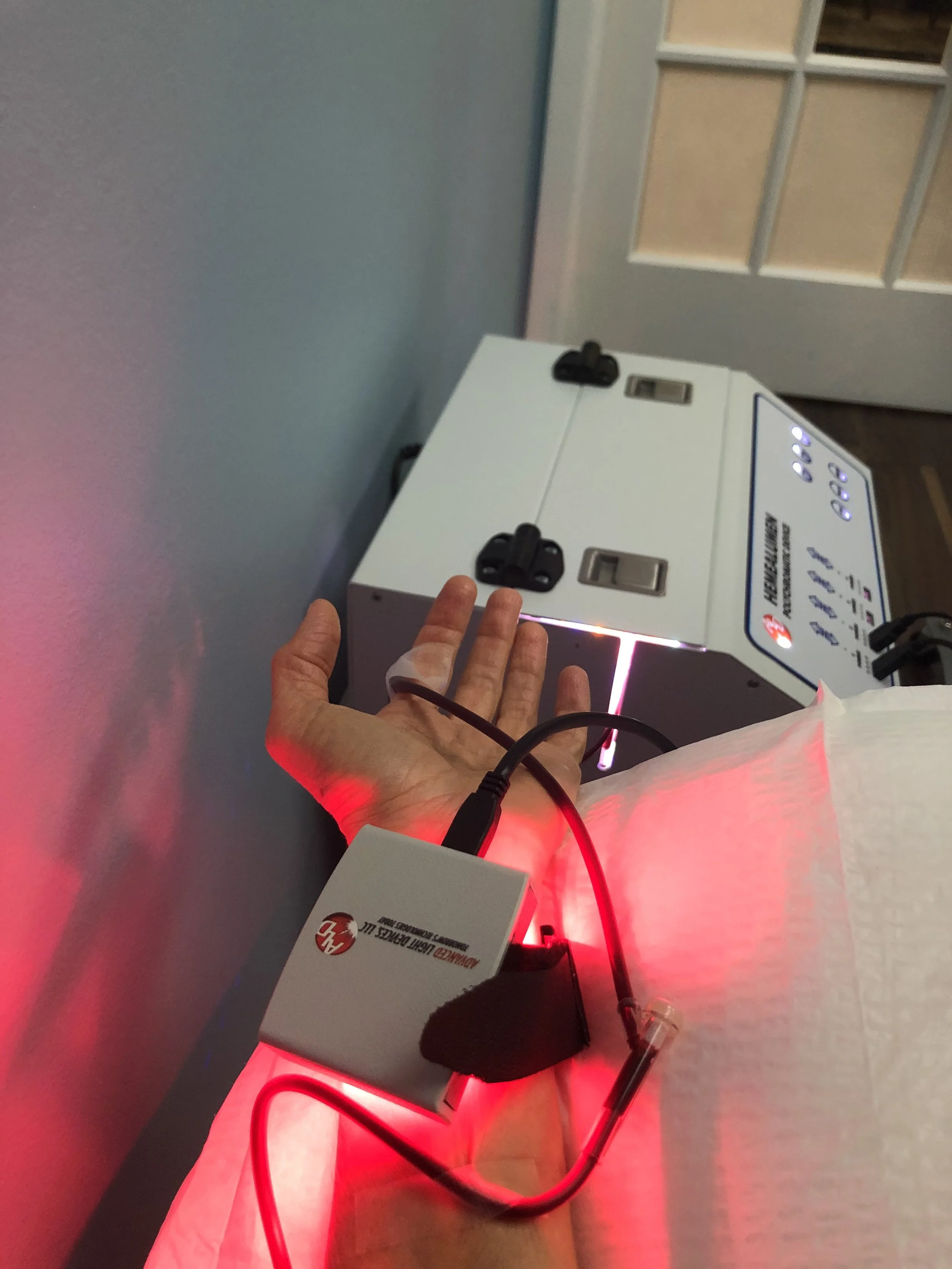
I had 15 treatments of ultraviolet blood irradiation (chelation).
Additional CAM Treatments

3BP
3-Bromopyruvate (3-BP) is an experimental compound that has been studied for its potential anti-cancer effects, particularly its ability to interfere with cancer cell metabolism. Laboratory and animal studies have shown promising findings in several cancer types. I first learned about 3-BP during a consultation with a holistic healthcare practitioner, and she said that if she had advanced cancer she would consider 3BP.
3-Bromopyruvate is a chemical compound that predates its investigation as a cancer therapy. The research of Young Hee Ko M.S., M.S., Ph.D. was important in investigating its potential anticancer applications. https://www.kodiscovery.org/
Studies have clearly demonstrated 3BPs effect on several cancer types. More clinical trials are needed. https://pubmed.ncbi.nlm.nih.gov/27457582/
I learned about this CAM treatment from a holistic doctor, and she said that if she had advanced cancer she would consider 3BP.
ABLATION THERAPIES
Ablatian therapies are established medical treatments now. Ablation therapies destroy tumors without surgically removing them. Although these techniques were once less commonly used and their applications in cancer treatment were more limited, they are now established medical treatments for certain cancers and continue to be studied for additional uses.
Cryoablation is a minimally invasive treatment that uses extreme cold to freeze and destroy cancer cells. It is also called cryosurgery or cryotherapy. For tumors inside the body, a doctor typically uses imaging such as ultrasound, CT, or MRI to guide one or more thin probes into the tumor. Extremely cold substances, such as argon gas or liquid nitrogen, cool the probe and freeze the tumor tissue. The tissue is then allowed to thaw, and freeze-thaw cycles may be repeated to destroy the targeted cells. https://www.cancer.gov/about-cancer/treatment/types/surgery/cryosurgery
Cryoablation is used for certain cancers and tumors, including some cancers of the prostate, liver, lung, bone, and skin. Its effectiveness and appropriateness depend on the type, size, location, and stage of the cancer. Researchers are also studying its use for additional cancers and in combination with other cancer treatments. https://www.cancer.gov/about-cancer/treatment/types/surgery/cryosurgery
Even though I have this under CAM, breast cancer cryoablation is still an evolving area. NCI currently lists an active clinical trial comparing cryoablation with lumpectomy in a very specific group of patients with small, early-stage breast cancers. https://www.cancer.gov/research/participate/clinical-trials-search/v?id=NCI-2023-03236&utm
Irreversible Electroporation (IRE or NanoKnife) commonly known by the device name NanoKnife, is a non-thermal ablation therapy that uses short, high-voltage electrical pulses to create tiny permanent openings in cancer-cell membranes, causing the cells to die. Unlike other ablation techniques, IRE does not primarily rely on extreme heat or cold to destroy tissue. IRE has been studied particularly for locally advanced pancreatic cancer and certain liver tumors. Because it is non-thermal, it may be useful for selected tumors located close to important structures such as blood vessels and ducts, where heat-based ablation can be more difficult to use safely. https://pubmed.ncbi.nlm.nih.gov/38993594/
It has been proven helpful in patients with masses in close proximity to vital structures such as vessels. https://pubmed.ncbi.nlm.nih.gov/28365947/
Radiofrequency ablation is a minimally invasive medical procedure that uses high-frequency electrical energy to generate heat and destroy targeted tissue, including certain tumors. A thin probe is guided into the tumor, usually with imaging such as ultrasound or CT. Electrical energy heats the surrounding tissue to temperatures that destroy the targeted tumor cells. RFA is an established treatment option in selected patients with certain tumors, including some liver and lung tumors. Whether it is appropriate depends on the type, size, number, and location of the tumors and the patient's overall treatment plan. RFA is an established treatment option in selected patients with certain tumors, including some liver and lung tumors. Whether it is appropriate depends on the type, size, number, and location of the tumors and the patient's overall treatment plan.
BCG (Bacillus Calmette-Guérin)
BCG immunotherapy is an established medical treatment now. BCG is a weakened form of the bacterium Mycobacterium bovis that was originally developed as a vaccine against tuberculosis. It is mainly used to treat non-muscle-invasive bladder cancer. https://pubmed.ncbi.nlm.nih.gov/34062708/
It is used as an immunotherapy for certain types of bladder cancer. https://www.cancer.gov/publications/dictionaries/cancer-terms/def/bcg
For bladder cancer treatment, BCG is placed directly into the bladder through a catheter (called intravesical therapy). It stimulates the immune system to attack cancer cells and is commonly used to treat high-risk non-muscle-invasive bladder cancer (NMIBC) and help reduce the risk of recurrence. https://www.cancer.gov/types/bladder/treatment
Budwig protocol
The Budwig Protocol, also called the Budwig Diet, was developed in the 1950s by German biochemist Dr. Johanna Budwig. A central part of the protocol involves combining flaxseed oil with cottage cheese. The broader diet also emphasizes fruits, vegetables, juices, and certain whole foods while restricting many processed foods and other foods. Dr. Budwig believed that combining flaxseed oil, which is rich in omega-3 fatty acids, with proteins in cottage cheese would improve the availability of these fatty acids to cells and support cellular function. This proposed mechanism has not been established in clinical research, and there is currently no reliable evidence that the Budwig Protocol can prevent, treat, or cure cancer. https://budwigcenter.com/the-budwig-diet/
The full Budwig protocol is 6 tablespoons of flaxseed oil and 2/3 cup of cottage cheese per day.
According to Dr. Budwig’s research, “solar electrons are exceptionally high in essential fatty acids. Because flaxseed oil contains essential fatty acids, they have a negative electrical charge. In contrast, cottage cheese is loaded with sulphurated amino acids, and thus have a positive charge. This contrast provides the basis for an electrical circuit on a biological setting. Flaxseed oil is the electron donor; it stores energy and releases it on demand. The more energy stored, the healthier a person is.”
Chemosensitivity Testing
Chemosensitivity testing exposes a patient's cancer cells to different chemotherapy drugs in a laboratory to see which drugs appear to be most effective against those cells. A lab test to determine how effective specific chemotherapy agents are against an individual patient's cancer cells. This doesn’t always predict what will happen inside a person's body. https://pubmed.ncbi.nlm.nih.gov/15901922/
These tests are different from biomarker testing, which looks for genes, proteins, or other characteristics of the cancer that may help guide treatment. https://www.cancer.gov/about-cancer/treatment/types/biomarker-testing-cancer-treatment
Chronomodulated Chemotherapy
Chronomodulated chemotherapy involves timing the delivery of chemotherapy according to the body's circadian rhythms, with the goal of delivering treatment when cancer cells may be more vulnerable and healthy tissues may better tolerate the drugs. Special programmable chemotherapy infusion pumps that infuse the drug in very small increments at different time of the day to attack cancer cells when they are more vulnerable; and protect healthy cells when they are at rest and least sensitive to the toxicity of chemo. Chronomodulated chemotherapy has been studied in several cancers, but it is not standard treatment for most cancers.
Dr. Block uses this at the Block Center for Integrative Cancer Treatment. https://blockmd.com/2021/05/05/what-is-chronomodulated-chemotherapy-and-how-does-it-work/
COLEY’S TOXINS
In 1891, surgical oncologist William Coley injected streptococcal organisms into a patient with inoperable cancer. He thought that the infection he produced would have the side effect of shrinking the malignant tumor. He was successful, and this was one of the first examples of immunotherapy. These products became known as Coley's Toxins. According to the Iowa Orthopaedic Journal, William Coley deserves the title of “Father of Immunotherapy.” Visit the Conventional Treatment page to learn more about the history of immunotherapy.
Copper
Copper is an essential mineral that also plays a role in biological processes involved in tumor growth and metastasis, including angiogenesis. Researchers have therefore investigated whether lowering copper levels could affect the tumor environment and potentially reduce the risk of cancer progression. https://aacrjournals.org/clincancerres/article-split/23/3/666/80628/Influencing-the-Tumor-Microenvironment-A-Phase-II
One approach being studied uses tetrathiomolybdate (TM), an oral copper-depleting drug. A Phase II study evaluated TM in breast cancer patients at high risk for recurrence and found effects on several copper-dependent components of the tumor microenvironment. Further clinical trials have been needed to determine its effectiveness as a cancer therapy. https://pubmed.ncbi.nlm.nih.gov/27769988/
We learned about copper depletion during a consultation with a medical doctor who also practices holistic medicine. He discussed using this approach with patients with advanced breast cancer.
DENdritic cell vaccine
Dendritic cell vaccines are a type of cancer treatment vaccine designed to harness the potential of a patient's own immune system (create an immune response) to eliminate tumor cells. Dendritic cells play an important role in presenting antigens to T cells and initiating an immune response. Dendritic-cell approaches have been studied in a variety of cancers, but most remain investigational.
One related FDA-approved cellular immunotherapy, sipuleucel-T (Provenge), is used for certain patients with advanced prostate cancer.
Researchers are also studying dendritic-cell therapies in combination with other approaches, including hyperthermia.
Several clinical studies have been initiated in which DCs are a feasible, nontoxic approach to boost an immune response against malignant tumors in patients with cancer. https://pubmed.ncbi.nlm.nih.gov/12218781/
A 2004 study showed that two women with metastatic breast cancer achieved tumor shrinkage after being treated with a DC vaccine. https://pubmed.ncbi.nlm.nih.gov/15269142/
It is being combined with hyperthermia (extreme heat). https://www.ncbi.nlm.nih.gov/pmc/articles/PMC7836805/
The approaches below are ones we learned about during our cancer journey
ENEMAS
Enemas involve introducing liquid into the rectum and colon. In medical care, certain types of enemas may be used to help relieve constipation or fecal impaction. Coffee enemas have also been promoted by some alternative cancer programs as a way to “detoxify” the body. Coffee enemas can carry significant risks, including infection, dehydration, colitis, and potentially dangerous electrolyte imbalances.
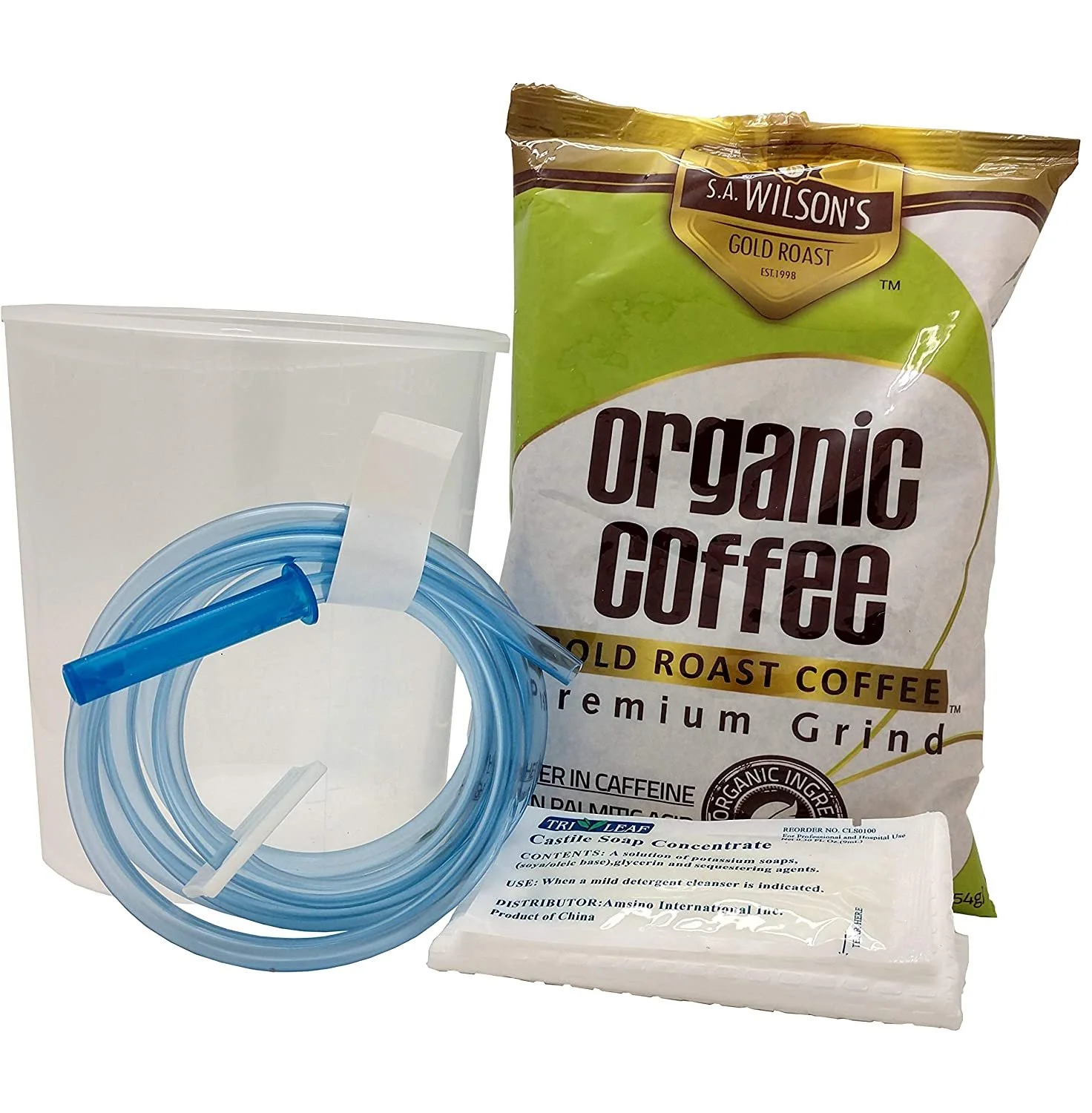
S.A. Wilson’s organic coffee is the most highly-recommended coffee for doing enemas.
Gerson therapy
The Gerson Therapy is an alternative cancer approach developed by Dr. Max Gerson. Dr. Max Gerson first used his diet for cancer in 1928. In 1946, the American Medical Association began attacking him and basically discredited him. His daughter, Charlotte Gerson, went on to write about the Gerson therapy, which includes eating a raw vegetarian diet for a prolonged period of time, then introducing cooked foods, and even some animal foods later. Frequent coffee enemas are recommended to detox the liver. Sodium restriction and potassium supplementation are also recommended. Scientific evidence supporting Gerson Therapy as a cancer treatment is limited. The National Cancer Institute has reviewed available case reports and studies and states that the evidence is not sufficient to conclude that Gerson Therapy is effective as a cancer treatment or as an adjunct to conventional cancer treatment. It is not FDA-approved as a cancer treatment. Coffee enemas can also cause serious complications, including dangerous electrolyte imbalances.
It is a highly structured regimen centered around an organic vegetarian diet, freshly prepared fruit and vegetable juices, nutritional supplements, sodium restriction, increased potassium intake, and frequent coffee enemas. https://www.cancer.gov/about-cancer/treatment/cam/hp/gerson-pdq
The traditional protocol is extremely intensive and includes 13 glasses of freshly prepared juice each day, vegetarian meals, numerous supplements, and regular coffee enemas.
Dr. Gerson initially developed dietary approaches for other health conditions and later began using his regimen with cancer patients. The therapy is based on his theory that changes in diet and nutrients, along with methods intended to “detoxify” the body, could restore normal metabolism and support the body's ability to heal. https://www.cancer.gov/about-cancer/treatment/cam/patient/gerson-pdq
Our Experience: I read The Gerson Therapy, by Charlotte Gerson and Morton Walker, D.P.M. I was was intrigued enough by the approach that I seriously considered doing the complete protocol. I incorporated some ideas from what I learned, including eating more vegetable-based soups as a way to include a variety of nutritious foods in my diet. Ultimately, we decided not to follow the Gerson Therapy. One of the biggest considerations was how intensive the protocol was. It called for 13 freshly prepared juices per person each day—which would have meant making 26 juices a day for Joel and me—as well as frequent coffee enemas and a very strict dietary regimen.
High-Intensity Focused Ultrasound
High-intensity focused ultrasound (HIFU) is a noninvasive ablation technique that directs high-energy sound waves at a specific area of abnormal tissue. The focused ultrasound generates heat that can destroy the targeted cells while limiting damage to surrounding tissue. https://www.cancer.gov/publications/dictionaries/cancer-terms/def/high-intensity-focused-ultrasound-therapy
https://pubmed.ncbi.nlm.nih.gov/33176628/ https://www.ncbi.nlm.nih.gov/pmc/articles/PMC4747875/
HIFU is used in some medical centers for focal treatment of prostate cancer, although its role and evidence compared with more established treatments continue to be evaluated. The National Cancer Institute currently lists HIFU as under clinical evaluation for prostate cancer, and active clinical trials are studying its effectiveness and long-term outcomes. https://www.cancer.gov/types/prostate/patient/prostate-treatment-pdq
Hoxsey HERBAL THERAPY
The Hoxsey treatment is an alternative cancer therapy consisting of an herbal tonic, dietary restrictions, and, historically, other preparations. The oral tonic has included ingredients such as potassium iodide, licorice, red clover, burdock root, stillingia root, barberry, cascara, pokeweed, prickly ash bark, and buckthorn bark. https://www.mskcc.org/cancer-care/integrative-medicine/herbs/hoxsey-herbal-therapy
The therapy was promoted on the theory that it could help eliminate toxins, correct abnormal body chemistry, and normalize cell metabolism. These claims have not been demonstrated scientifically, and there is no reliable clinical evidence that Hoxsey Herbal Therapy treats cancer. Memorial Sloan Kettering reports that an NCI evaluation of 77 cases submitted by Hoxsey found that none demonstrated effectiveness.
The Hoxsey Formula is an original, proprietary (secret) herbal remedy called the “Hoxsey tonic” that is offered at the Hoxsey Clinic.
The tonic is combined with a special dietary plan and commonly taken with additional herbal supplements, depending on the clinic’s medical doctor's diagnosis and recommendation. The exact dosages vary, depending on the individual patient's general condition, location of the cancer, and the extent of previous treatments.
The Hoxsey Clinic treats almost all types of cancer and only sells the Hoxsey tonic to patients. https://www.hoxseybiomedical.com
Hyperthermia
Hyperthermia is a cancer treatment in which body tissue is heated to temperatures above normal body temperature, like a fever. The heat can damage and kill cancer cells or make them more sensitive to other cancer treatments while limiting damage to normal tissue. Research is showing promise for hyperthermia and cancer.
Hyperthermia is most often studied and used in combination with treatments such as radiation therapy and chemotherapy. Researchers are also studying its use alongside immunotherapy.
There are different approaches, including local hyperthermia, which heats a specific tumor or area of the body, and whole-body hyperthermia, which raises the temperature of the entire body.
Hyperthermia is being used more in Europe than in the U.S. https://www.cancer.gov/about-cancer/treatment/types/hyperthermia https://www.ncbi.nlm.nih.gov/pmc/articles/PMC7999567/
IPT (Insulin Potentiation Chemotherapy)
Insulin potentiation therapy/chemotherapy (IPT) — uses insulin together with lower doses of chemotherapy. Insulin is given to the patient, followed by a low dose of chemotherapy. The insulin interacts with insulin receptors on cancer cells and may increase the uptake of the chemotherapy drug, with the goal of using a lower—and hopefully more effective—dose of chemotherapy. If both glucose and chemotherapy drugs are administered while the cells are starved for glucose, the cancer cell membranes will open for glucose and for more of the chemotherapeutic agents. Under these conditions, a lower dose of chemotherapy may be as effective as a higher dose.
This low-dose chemotherapy is often coupled with IV vitamin C.
NEWCASTLE disease virus (NDV) vaccine
Newcastle disease virus (NDV) is a virus being studied for its potential ability to target cancer cells. Researchers have investigated NDV both as an oncolytic virus that may directly kill cancer cells and as part of experimental cancer vaccines designed to stimulate an immune response against cancer.
This is from the Moss Report, “Bottom Line: Newcastle Disease Virus (NDV) Vaccine is one of the most promising, and least explored, immunological treatments for cancer.” https://www.cancer.gov/about-cancer/treatment/cam/patient/ndv-pdq
PSK (PolysaccharIDE-K)
PSK (polysaccharide-K) is a protein-bound polysaccharide derived from the mushroom Trametes versicolor, commonly known as turkey tail. PSK has been studied extensively in Japan and has been used there as an adjunct to conventional cancer treatment for certain cancers. Research has investigated whether PSK used alongside standard cancer treatment may improve outcomes in some cancers. However, this should not be interpreted to mean that commercially available turkey-tail mushroom supplements are equivalent to the standardized PSK preparations used in clinical research.
We learned about PSK during our research into medicinal mushrooms. https://pubmed.ncbi.nlm.nih.gov/22204346/
See mushroom supplements below.
SDT (SONODYNAMIC THERAPY) and SPDT (SONO PHOTODYNAMIC THERAPY)
Sonodynamic therapy (SDT) is an experimental cancer-treatment approach that combines ultrasound with a substance called a sonosensitizer. When activated by ultrasound, the sensitizer can generate reactive oxygen species that may damage or kill cancer cells. Because ultrasound can penetrate deeper into tissue than light, researchers are studying SDT as a potential way to target deeper tumors. https://pubmed.ncbi.nlm.nih.gov/25582025/
Sono-photodynamic therapy (SPDT) combines concepts from sonodynamic and photodynamic therapy, using both sound and light to activate sensitizing agents.
SDT has shown promising results in laboratory and animal research and has begun moving into early clinical trials for certain cancers, including glioblastoma. https://pubmed.ncbi.nlm.nih.gov/39217635/
A non-invasive immunotherapy treatment, designed to target and destroy cancer cells using light and sound. https://pubmed.ncbi.nlm.nih.gov/34522584/
The goal is to preserve or protect normal tissue.
The word supplement means “in addition to” (a great diet). According to the CDC, “Micronutrients, often referred to as vitamins and minerals, are vital to healthy development, disease prevention, and well-being.” With the exception of vitamin D, micronutrients are not produced in the body and must be derived from the diet.
The good news is that fruits and vegetables contain these micronutrients, also called antioxidant phytochemicals or phytonutrients. The Greek word “phyto" means plant. A review published in Molecules, explains that “Antioxidant phytochemicals can be found in many foods and medicinal plants, and play an important role in the prevention and treatment of chronic diseases caused by oxidative stress. They often possess strong antioxidant and free radical scavenging abilities, as well as anti-inflammatory action, which are also the basis of other bioactivities and health benefits, such as anticancer, anti-aging, and protective action for cardiovascular diseases, diabetes mellitus, obesity and neurodegenerative diseases.” https://www.ncbi.nlm.nih.gov/pmc/articles/PMC6331972/
Many people, especially cancer patients, are taking a multivitamin, along with a host of other supplements. According to the Linus Pauling Institute, “Eating a diet high in fruits, vegetables, grains, legumes, and plant-based beverages has long-term health benefits, but there is no evidence that taking dietary supplements of non-nutrient phytochemicals extracted from plants similarly benefits health.”https://lpi.oregonstate.edu/mic/dietary-factors/phytochemicalsYet, 70% of Americans are trying to fill the gaps in their diets with a multivitamin. This will never take the place of whole food.
Scientists are unsure of the total number of antioxidant phytochemicals in whole foods. I have read estimates of 25,000 to over 130,000, which indicates that scientists are always discovering more and more. All of these thousands of plant nutrients exist in fruits and vegetables and work in synergy to protect our bodies. Visit the Diet page for a thorough explanation on why fruits and veggies protect.
UNDERSTANDING Vitamins
A vitamin is something the body needs but cannot produce. Vitamins must be obtained from external sources, ideally foods like fruits, vegetables, beans, nuts, seeds, and whole grains. Vitamin deficiency can cause cancer and other health problems.
There are 13 essential vitamins that are divided into 2 categories:
Fat-soluble vitamins are vitamins A, D, E, and K. These are stored in the liver, fatty tissue, and muscles and are absorbed more easily by the body in the presence of dietary fat. Excess amounts of fat-soluble vitamins may be harmful to the body, because the body does NOT excrete them naturally. Note: vitamin D is actually a hormone. See vitamin D section below.
Water-soluble vitamins are vitamins B1-thiamine, B2-riboflavin, B3-niacin, B5-pantothenic acid, B6-pyridoxine, B7-biotin, B9-folic acid/folate, B12, and vitamin C. All of these must be consumed on a regular basis to prevent deficiencies in the body except vitamin B12 which can be stored in the liver for many years. Excess amounts of water-soluble vitamins are excreted naturally by the body, through the urine.
Supplements & Herbs
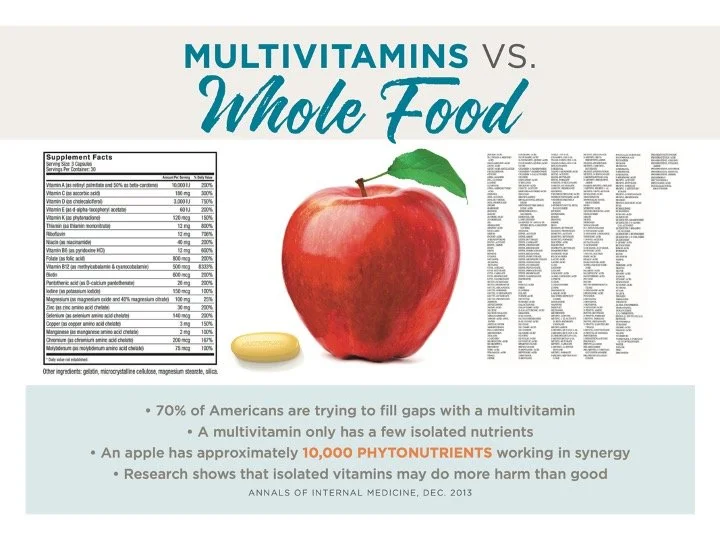
Our bodies are designed to utilize the thousands of nutrients that come from WHOLE FOODS, not the megadoses of isolated, fragmented, vitamins from a synthetic vitamin pill. There is not a one-size-fits-all supplement regimen.
IS THERE A PLACE FOR SUPPLEMENTS? YES!
Even though I believe we should get most of our vitamins and minerals from food, there is a place for supplements when our bodies need them. I think of supplements somewhat like medicine—something we may need to help address a specific deficiency or need rather than automatically taking everything indefinitely.
I have also learned that absorption matters. Gut health can affect how well our bodies absorb certain nutrients, so addressing underlying digestive or absorption issues may be an important part of correcting some deficiencies.
There is evidence that some supplements can be helpful while you are healing. Work under the guidance of a good physician when deciding which of these are best for you, and ask for the research behind any supplement recommendations.
Research suggests that certain dietary compounds may affect cancer stem cells (CSCs) in laboratory and preclinical studies. Two that have been studied are curcumin, found in turmeric, and epigallocatechin-3-gallate (EGCG), found in green tea.
Curcumin & breast cancer stem cells: A Cancer Research study found that curcumin targeted breast cancer stem-like cells and interfered with properties associated with attachment and metastasis. https://pubmed.ncbi.nlm.nih.gov/24371229/
Curcumin & breast CSCs/chemotherapy resistance: Researchers found that curcumin reduced breast cancer stem-cell populations and increased sensitivity to chemotherapy in experimental models. https://pubmed.ncbi.nlm.nih.gov/26305906/
EGCG & colorectal cancer stem cells: This study found that EGCG—the major catechin in green tea—inhibited colorectal CSC characteristics through effects on the Wnt/β-catenin pathway. https://pubmed.ncbi.nlm.nih.gov/28587207/
OUR SUPPLEMENT JOURNEY
My cancer diagnosis gave us a reason to work jointly with CAM doctors. We followed their supplement protocol to the letter, even though some of their recommendations went against what we had previously learned. When the regimen made us feel ill and nauseated, we rethought our decision. I sifted through the supplement recommendations, did my homework on each one, and formulated a shorter list of supplements that we took for a year.
Eventually, we discontinued the daily supplements except for Juice Plus+, which we chose to continue alongside our whole-food, plant-based diet. One medical doctor said this about Juice Plus+: “There’s nothing else available any place in the world with or without a prescription that has been proven to do what Juice Plus+ does in the body.”
What is juice plus?
Juice Plus+ is plant-powered nutrition made from high-quality, whole-food ingredients, including fruits, vegetables, and berries.
Superfood capsules provide concentrated powders from fruits, vegetables, and berries and are also available as chewables.
Omega capsules provide plant-based omega fatty acids.
Super-Biome includes probiotic capsules and prebiotic stick packs.
Juice Plus Complete is a high-fiber shake mix that I use as the base of my morning smoothie.
juice plus is free for kids ages 4 - 26
I love that The Juice Plus+ Company offers FREE Juice Plus+ to children and young adults through its Healthy Starts program.
juice plus HAS RESEARCH ON CANCER SURVIVORS
Juice Plus+ has 45+ published, clinical studiesconducted around the world over the past 20 years, making it the most researched nutritional product in the world. Numerous scientific papers have reported increased levels of key antioxidants in the bloodstream after taking Juice Plus+ capsules, which allows the body to protect lipids and proteins from oxidation.
One study conducted at MD Anderson Cancer Center involved cancer survivors taking the capsules and drinking the Complete shake mix every day. The participants in the study showed improvements in quality of life, markers of phytonutrients and cell health, as well as better protein status. https://www.sciencedirect.com/science/article/abs/pii/S0090825811009498
One of the most common questions I receive is about vitamin D. Below is what I learned.

At one point on our journey, we felt like we were swallowing pills all day!
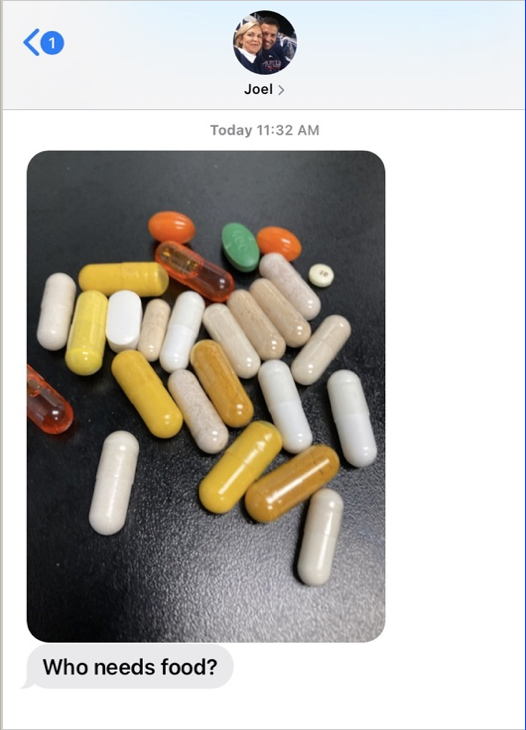
Joel’s text messages kept me laughing!
ADDITIONAL List of Supplements and Herbs
During our cancer journey, we learned about many different vitamins, herbs, nutrients, and supplements. Some were recommended to us by CAM or other healthcare practitioners, some we discovered through our own research, and others were recommended by friends or fellow cancer patients. We personally used some of them, while others we only researched or learned about. I have compiled what we learned here because I know how overwhelming supplement recommendations can become after a cancer diagnosis.
I have shared some research links below, but please know that many of these links to studies have been done on lab animals or in vitro, which means in a test-tube. Why isn’t there more research on supplements such as ginger root? Jonathan Krell and Justin Stebbing sum the answer up in The Lancet Oncology, “If more physicians and cancer researchers were . . . less fearful of professional ridicule, then the true worth of natural products like ginger might be determined . . . ”
It is important to understand that the amount and quality of scientific evidence varies greatly from one supplement to another. Some have been studied in humans, while others have primarily been studied in animals or laboratory settings. A finding that something affects cancer cells in a laboratory does not necessarily mean it has been shown to prevent or treat cancer in people.
Throughout this section, I share our personal experience when applicable—what was recommended to us, what we chose to take, and sometimes why we stopped or chose not to use something. Our experience is not a recommendation for you. Every person's diagnosis, treatment, medications, health history, and nutritional needs are different.
Remember that supplements are meant to supplement—not replace—the foundations of good health. Focus first on nourishing foods, physical activity as appropriate, maintaining a healthy weight when needed, hydration, sleep, stress management, and addressing underlying health conditions with your healthcare team.
Food first. Supplements are supplements!
ALC (acetyl-L-Carnitine)
ALC is produced in the body from the amino acid L-carnitine.
Some cancer patients are low in ALC, so supplementing is sometimes recommended to prevent treatment side effects. https://pubmed.ncbi.nlm.nih.gov/17157757/
Joel’s Experience: We learned about ALC after chemo and radiation, so Joel didn’t take this during his treatments.
AHCC (Active Hexose Correlated Compound)
Is a proprietary extract produced from a blend of mushrooms and other nutrients. Learn more about mushrooms below. https://www.science.gov/topicpages/c/commercialized+edible+mushrooms.html
Is a popular alternative medicine in Japan, used to treat a wide range of health conditions, from the common cold to HPV infections to cancer.
Our Experience: A CAM doctor recommended that Joel and I both take this AHCC supplement for a period of time.
Aloe Vera
Is widely known for having many different therapeutic properties.
There is evidence of Aloe’s positive effect on cancer. “Whole Aloe could have an inherent anti-tumor activity because of its many compounds and could be involved in the disrupting of tumor growth and progression signaling pathways. This mechanism of action could invariably inhibit the growth of cancer cells and lead to good prognosis.” https://www.ncbi.nlm.nih.gov/pmc/articles/PMC8291210/
Look for whole Aloe vera, rather than isolated, for the most benefit.
My Experience: This is the whole leaf Aloe juice I drink occasionally.
Ala (alpha-Lipoic Acid)
Comes from foods like Brussels sprouts and walnuts.
The Omega-3 conversion chain in our body begins with ALA (alpha-linolenic acid), which converts to SDA (stearidonic acid) and both come from plants. Animals do not provide these first two most important links in the chain. These are like gold in the body.
Because ALA is so important, many CAM doctors recommend IV (intravenous) ALA or supplements.
Our Experience: A CAM doctor recommended that Joel and I both take this ALA supplement for a period of time. We also had IV infusions with ALA, but now we get ALA from food.
Amla
Also known as Indian gooseberry.
May help with hair loss. https://pubmed.ncbi.nlm.nih.gov/21317655/
My Experience: I currently rotate organic amla powder into my smoothies, but it can also be taken in supplement form.
Amygdalin, APRICOT KERNELS - SEE B17 (BELOW)
Artemesinin and Artesunate
A traditional Chinese medicine herb that is antiviral. Professor Youyou Tu isolated the drug artemisinin from the Chinese plant wormwood and he won the 2015 Nobel Prize.
Is a chemical derived from Artemisia annua, a popular garden herb known in the West as sweet wormwood or “sweet Annie.”
Is the so-called active ingredient in artemisinin, and is a standard drug for treating malaria.
In recent years, this class of compounds has activity against malaria, cancer cells, and schistosomiasis. https://pubmed.ncbi.nlm.nih.gov/18699744/
Our Experience: This is the artemesinin and artesunate supplement we took during CAM treatment.
Ashwagandha Root (Withania somnifera)
An herb that is similar to ginseng.
It has many immune-enhancing effects and helps with fatigue during chemotherapy. https://pubmed.ncbi.nlm.nih.gov/23142798/
Astragalus
An herb that can help with immune function.
Can inhibit tumor growth in vivo (in a living organism.) https://www.spandidos-publications.com/or/35/2/659
Astragalus can be purchased in supplement/tincture, powder, or root to make tea.
To make tea: Simmer 1 tablespoon of dried, shredded astragalus root with 2 cups of water, covered, for 10 minutes. Strain and serve hot or iced.
B vitamins - see vitamin b section below
B17 or Laetrile® or APRICOT KERNELS OR Amygdalin
Amygdalin, given the name Laetrile in the 1950s, is one of a group of chemicals found in kernels (sometimes misnamed "pits") of apricots, peaches, bitter almonds, apples, etc.
Can also be given as amygdalin by injection.
Is a very controversial supplement. Dr. Moss was fired from his job at Memorial Sloan-Kettering Cancer Center in 1977 for protesting against the suppression of positive scientific evidence on Laetrile. Moss explains that this is based on the premise that the substance contains a cyanide-releasing compound called Laetrile, which is believed to kill cancer cells in laboratory mice. He wrote a book called Doctored Results: The Suppression of Laetrile at Sloan-Kettering Institute (Equinox, 2014). Even though he believes that amygdalin has some evidence in the laboratory of killing cancer cells, he does NOT advocate for general use due to a lack of scientific evidence on humans, and due to the fact that taking it can be dangerous, or even deadly.
Sold in capsule form and also bitter tasting kernels (look just like almonds). Visit apricot power.com.
Berberine
A compound found in a variety of plant species.
Has been used for thousands of years in traditional Chinese medicine (TCM) and Ayurveda medicine.
Helps to stabilize blood sugar; natural form of the drug, metformin.
May have anti-cancer potential. https://www.ncbi.nlm.nih.gov/pmc/articles/PMC6996556/ https://pubmed.ncbi.nlm.nih.gov/25153862/
Our Experience: A CAM doctor recommended that Joel and I both take this berberine supplement for a period of time.
Beta-Glucans
Immune-boosting compounds found in many of the foods we eat like grains, mushrooms, and algae.
Can also be taken in supplement form.
There is some anti-cancer evidence. https://pubmed.ncbi.nlm.nih.gov/19515245/
Our Experience: A CAM doctor recommended that Joel and I both take this beta-glucan supplement for a period of time.
Black Seed Oil
Comes from black cumin seeds (Nigella sativa).
Has been used for centuries for healing a myriad of diseases and disorders. https://www.ncbi.nlm.nih.gov/pmc/articles/PMC3252704/
Our Experience: A CAM doctor recommended that Joel and I both take this black seed oil supplement for a period of time.
Boswellia Serrata (Frankincense)
Can be taken orally as a supplement, rubbed on skin, and also diffused.
Exhibits anti-cancer activities in human colon cancer cells. https://pubmed.ncbi.nlm.nih.gov/28549801/
Exhibits anti-cancer activities in brain metastases. https://www.researchgate.net/publication/6792103_A_lipoxygenase_inhibitor_in_breast_cancer_brain_metastases
Our Experience: This is the frankincense supplement we took during CAM treatment. We still rotate this today. This supplement contains a form of boswellia called 3-O-acetyl-11-keto-ß-boswellic acid (AKBA).
Bromelain
Comes from pineapple.
Can be useful as a natural pain reliever (up to 2,000 mg. per day).
There is evidence of anti-inflammatory and anti-cancer properties. https://pubmed.ncbi.nlm.nih.gov/19700238/
The Moss Report shares the story of James Berlanger, ND (naturopathic doctor) and cancer survivor who uses very comprehensive blood serum tests to give crucial information about patients’ underlying state of health (particularly the immune system), such as the over-expression of various proinflammatory cytokines like IL-10 (interleukin-10) and TGF-beta (transforming growth factor beta). If cancer patients have high levels of those, Berlanger believes the immune system will be impaired. He then prescribes certain natural substances in a highly targeted fashion to bring down these elevated markers. For instance, the plant enzyme bromelain successfully lowers IL-10, and pancreatic enzymes successfully lower TGF-beta. Dr. Berlanger prescribes 10x Wobenzym N, three times per day for people with elevated levels of TGF-beta. He also uses these enzymes for people who have elevated C-reactive protein (CRP).
Our Experience: This is a bromelain supplement we took for a period of time while we were getting CAM treatments together. It was also recommended to use as a pain-reliever for any type of pain.
Burdock Root / Red Root
Is a vegetable in northern Asia and Europe.
May have anti-inflammatory and anti-cancer potential. https://pubmed.ncbi.nlm.nih.gov/21429215/
Cannabis (Medical Marijuana) - see CAM TREATMENT SECTION above
C-Statin
Naturally occurring plant extract that contains a patented molecule called PGM (ProteoGlycan Mixture) from a ubiquitous plant, field bindweed. https://www.usbg.gov/sites/default/files/images/fieldbindweed_science_page.pdf
PGM is a potent angiogenesis inhibitor. https://pubmed.ncbi.nlm.nih.gov/25600295/
To learn more about angiogenesis inhibitors visit https://www.cancer.gov/about-cancer/treatment/types/immunotherapy/angiogenesis-inhibitors-fact-sheet.
Cat’s Claw (Uncaria tomentosa)
An herbal supplement that comes from a vine that grows wild, primarily in Peru.
Cat’s claw was named for the shape of its thorns.
Can be useful as a natural pain reliever.
Reduced side effects caused by chemotherapy in colon cancer patients. https://pubmed.ncbi.nlm.nih.gov/21869902/
Reduced side effects caused by adjuvant chemotherapy in stage 2 invasive breast cancer patients, while positively affecting the immune system and restoring cellular DNA damage. https://pubmed.ncbi.nlm.nih.gov/22811748/
Our Experience: We learned about Cat’s claw after chemo and radiation, so Joel didn’t take this during his treatments.
Chlorella Extracts
Is an algae that contains chlorophyll and other phytonutrients (plant chemicals).
Is known for having anti-cancer potential. https://pubmed.ncbi.nlm.nih.gov/25770318/
Can have some side effects, like nausea or upset stomach.
Can be purchased as a food powder or in supplement form.
My Experience: This is the chlorella powder I rotate in my morning smoothies.
Coenzyme Q10
An antioxidant that has 211 anticancer studies.
Is an antioxidant that may target the mechanisms of breast cancer tumor progression, but further well-designed, clinical studies are required to confirm this. https://pubmed.ncbi.nlm.nih.gov/28481148/
My Experience: A breast cancer surgeon recommended that I take this Coenzyme Q10 supplement for a period of time.
Colloidal Silver
Actually comes from silver.
Is known for having antimicrobial properties.
Is known for having anti-cancer potential. https://www.ncbi.nlm.nih.gov/pmc/articles/PMC2996348/
Our Experience: A CAM doctor recommended that we take this colloidal silver supplement for a period of time.
Curcumin (Turmeric Root)
Purified phytochemical from the turmeric root.
Can be useful as a natural pain reliever because it can reduce inflammation.
Over 3,300 research studies show it is chemoprotective and anti-carcinogenic. https://www.mdpi.com/1420-3049/20/2/2728/htm
Dietary compounds can play a role in killing CSCs (cancer stem cells). These include curcumin, genistein (a type of isoflavone mainly in soy), grape seed extract, lycopene, resveratrol, and sulphoraphane. https://pubmed.ncbi.nlm.nih.gov/25280404/ https://pubmed.ncbi.nlm.nih.gov/26503998/
Is a potent angiogenesis inhibitor. https://pubmed.ncbi.nlm.nih.gov/25600295/
Our Experience: This is the curcumin supplement Joel took during chemotherapy. We also took this during CAM treatment. We still rotate this today, along with using turmeric root powder in our food. We also juice turmeric root.
DIM (Diindolylmethane)
A compound found in cruciferous vegetables, including broccoli and broccoli sprouts, kale, cabbage, and Brussels sprouts.
Is a derivative of I3C (Indole-3-carbinol) and is formed when I3C is broken down in the intestines.
I3C and DIM increased capacity for detoxification and inhibition of carcinogens. https://pubmed.ncbi.nlm.nih.gov/15570059/
Many cancer patients take DIM, especially for breast cancer. The belief is that DIM helps to convert stronger estrogens into benign and protective estrogens, supporting healthy estrogen metabolism.
Some people notice harmless changes in urine color when taking DIM, due to the metabolites transferring to urine.
My Experience: A breast cancer surgeon recommended that I take this DIM supplement for a period of time. I get DIM from eating a diet rich in green leafy vegetables.
EGCG (epigallocatechin gallate) - SEE GREEN TEA BELOW
Enzymes
Come from raw, whole foods, but often the body does not get enough; so it can be helpful to supplement with these until your gut health improves.
Proteolytic or pancreatic enzymes can be taken before your meals to help with digestion.
The Moss Report shares the story of James Berlanger, ND (naturopathic doctor) and cancer survivor who uses very comprehensive blood serum tests to give crucial information about patients’ underlying state of health (particularly the immune system), such as the over-expression of various proinflammatory cytokines like IL-10 (interleukin-10) and TGF-beta (transforming growth factor beta). If cancer patients have high levels of those, Berlanger believes the immune system will be impaired. He then prescribes certain natural substances in a highly targeted fashion to bring down these elevated markers. For instance, the plant enzyme bromelain successfully lowers IL-10, and pancreatic enzymes successfully lower TGF-beta. Dr. Berlanger prescribes 10x Wobenzym N, three times per day for people with elevated levels of TGF-beta. He also uses these enzymes for people who have elevated C-reactive protein (CRP).
My Experience: A CAM doctor tested my TGF-beta 1 and my levels were extremely high. The doctor recommended that I take pancreatic enzymes for a period of time.
Essiac Tea - see CAM TREATMENT PAGE
Fenugreek
Herb used as a vegetable and seed in Indian cooking.
Has been shown in vitro to have anti-cancer potential. https://www.ncbi.nlm.nih.gov/pmc/articles/PMC3095649/
Fermented Wheat Germ
Has 25 anti-cancer studies. https://pubmed.ncbi.nlm.nih.gov/27820157/
Helps regulate cellular metabolism (convert food into available energy for the cell).
Helps support the immune system.
Our Experience: This is the fermented wheat germ supplement we took during CAM treatment.
Folic Acid
Comes from the word "foliage" because the best source is green leafy vegetables.
Our Experience: We get folate from eating a diet rich in green leafy vegetables.
Garlic or Aged Raw Garlic Extract
Is one of the most powerful anti-carcinogenic agents and can be effective against cancer. https://pubmed.ncbi.nlm.nih.gov/8296768/ https://pubmed.ncbi.nlm.nih.gov/24716172/
Contains ingredients that are anti-inflammatory, and strengthen and stimulate the immune system's response to disease.
Our Experience: A CAM doctor recommended this aged garlic supplement for a period of time. Dr. Ralph Moss recommends eating two cloves per day for cancer patients.
Genistein (isoflavones)
Genistein, an isoflavone, is a naturally occurring chemical found in soybeans.
There are 2,789 anti-cancer studies on genistein. These human studies have involved thousands of women in both Asia and the United States who were followed for many years, and consistent results show that women who eat soy have lower rates of breast cancer risk and lower rates of recurrence of breast cancer.
Whole soy foods, like soybeans and tofu, protect against hormone-driven cancers by attaching these weak plant estrogens to receptor sites on cancer cells, effectively blocking the cells from being activated by strong estrogens. Soy phytoestrogens actually act as estrogen-blockers “. . . it appears that soy isoflavones do not function as an estrogen, but rather exhibit anti-estrogenic properties . . . soy isoflavones should be considered a potential anti-cancer therapeutic agent in hormone receptor positive breast cancer.” https://pubmed.ncbi.nlm.nih.gov/23919747
Soy isoflavone consumption is associated with an 11 percent overall reduction in breast cancer incidence. There was also a 16 percent reduction in breast cancer recurrence. https://link.springer.com/article/10.1007/s10549-010-1270-8https://europepmc.org/article/MED/21113655https://www.ncbi.nlm.nih.gov/pmc/articles/PMC4463727/
Dietary compounds can play a role in killing CSCs (cancer stem cells). These include curcumin, genistein (a type of isoflavone mainly in soy), grape seed extract, lycopene, resveratrol, and sulphoraphane. https://pubmed.ncbi.nlm.nih.gov/25280404/ https://pubmed.ncbi.nlm.nih.gov/26503998/
Our Experience: A CAM doctor recommended this genistein supplement for a period of time.
Ginger Root (Zingiber officinale)
A powerful plant that has anti-cancer properties. https://pubmed.ncbi.nlm.nih.gov/24552266/
Ginger supplementation significantly aids in reduction of the severity of acute chemotherapy-induced nausea in adult cancer patients. https://pubmed.ncbi.nlm.nih.gov/21818642/
Ginger has been shown to possess free radical scavenging, antioxidants, and inhibition of lipid peroxidation; these properties might have contributed to the observed gastroprotective effects. https://pubmed.ncbi.nlm.nih.gov/23612703/
A patented ginger preparation (Zindol DS®) has been shown in a randomized, controlled, double-blinded study (RCT) to be effective in preventing chemo-related nausea. https://www.researchgate.net/publication/281137496_Development_of_ZindolR_through_multi-center_clinical_trial_for_chemotherapy_induced_nausea_and_vomiting
Our Experience: During chemo, Joel took a ginger supplement, but unfortunately it wasn’t strong enough to alleviate nausea. I juice fresh ginger root and add ginger root powder into my morning smoothies.
Ginseng
An herb that is good for immune health.
Can help lessen treatment side effects. https://europepmc.org/article/MED/15549658
The findings of this meta-analysis indicated that ginseng consumption is associated with a significantly decreased risk of cancer and that the effect is not organ specific.https://pubmed.ncbi.nlm.nih.gov/27616903/
Joel’s Experience: We learned about ginseng after chemo and radiation, so Joel didn’t take this during his treatments.
Green Tea
There are over 1,300 anti-cancer studies on green tea.
The powerful ingredients in green tea are called catechins. Catechins are very high in antioxidant potential and are chemoprotective, preventing oxidative damage in healthy cells. The most abundant of these is called EGCg (epigallocatechin gallate).
A drop or two of red or green pepper sauce taken at the same time potentiates the green tea.
Our Experience: Green tea extracts were one of the proven CAM treatments on both of our Moss Reports. I add food-grade green tea leaves to my morning smoothies every day. Joel was able to tolerate these tea leaves in his smoothie during chemo. Green tea leaves can be purchased from Wellness Forum Health. For ordering information, email shermankelly@wellnessforum.com.
EGCg
Studies suggest that EGCg fights free radicals and is a potent angiogenesis inhibitor. https://pubmed.ncbi.nlm.nih.gov/25600295/
EGCg may serve as an adjuvant treatment to conventional chemotherapeutic drugs in colorectal cancer patients. EGCg has been shown to suppress CSC growth in various cancers. In this study, the EGCg potentiated and augmented the effects of the chemotherapy, killing off the most dangerous cells (CSCs). https://pubmed.ncbi.nlm.nih.gov/26930714/
One of Joel’s chemotherapy drugs called 5-FU (fluorouracil), causes oxidative stress and generates free radicals, so much so that it can damage the delicate lining of the arteries in addition to cancer cells. Dr. Ralph Moss points out that conventional oncologists believe that the effects of the antioxidant EGCg will effectively cancel out the pro-oxidant 5-FU chemotherapy but, in actuality, nothing of the sort happens. In this study, the EGCg potentiated and augmented the effects of the chemotherapy, killing off the most dangerous cells (CSCs) which the chemotherapy could not touch!
Our Experience: This is the EGCg supplement we took during CAM treatment.
Green Tea (Matcha)
Is shade-grown.
Is loaded with antioxidants and has anti-cancer potential. https://www.ncbi.nlm.nih.gov/pmc/articles/PMC6128439/
My Experience: This is the matcha green tea powder I rotate into our morning smoothies.
Honokiol Magnolia Bark
A compound extracted from the Chinese Magnolia tree that is used in traditional Chinese medicine.
Has 174 anti-cancer studies. https://pubmed.ncbi.nlm.nih.gov/22466367/
Contains honokiol and magnolol, which are active compounds that have anti-oxidative, anti-inflammatory, anti-tumor, and anti-microbial effects, without toxicity. https://onlinelibrary.wiley.com/doi/10.1002/jcp.22954
Has been found to enhance the activity of radiation therapy by simultaneously killing cancer stem cells. https://pubmed.ncbi.nlm.nih.gov/22319203/
Honokiol reduces the stress hormone cortisol, and therefore helps promote deep sleep. https://pubmed.ncbi.nlm.nih.gov/22537192/ https://www.ncbi.nlm.nih.gov/pmc/articles/PMC4023459/
Our Experience: We learned about Honokiol Magnolia Bark after chemo and radiation, so Joel didn’t take this during his treatments. This is the Honokiol Magnolia supplement we took during CAM treatment.
I3C (indole-3-Carbinol)
A compound found in cruciferous vegetables such as broccoli and broccoli sprouts, bok choy, kale, cabbage, cauliflower, Brussels sprouts, and leafy green vegetables. I3C is only released when the plant is wounded or lightly cooked.
Can convert the female hormone estrodial into a non-toxic form of estrogen, and this could be one of the reasons that leafy greens prevent breast cancer. https://www.ncbi.nlm.nih.gov/pmc/articles/PMC2737735/
I3C and DIM (a derivative of I3C and is formed when I3C is broken down in the intestines) increased capacity for detoxification and inhibition of carcinogens. https://pubmed.ncbi.nlm.nih.gov/15570059/ https://pubmed.ncbi.nlm.nih.gov/16681761/
Our Experience: A CAM doctor recommended that Joel and I both take this I3C supplement for a period of time.
IP6 (Inositol Hexaphosphate)
Is a natural carbohydrate molecule present in most plant and animal cells.
Comes from eating cereals, grains, legumes, and meat. https://pubmed.ncbi.nlm.nih.gov/17044765/
Your body can also make IP6.
My Experience: A breast surgeon recommended that I take this IP6 supplement for a period of time.
Iron or Heme Iron
Is a mineral.
Comes from plant and animal foods.
If you are low in iron and need to take an iron supplement, try to take it only for a short time, while you add more plants to your diet. I learned that it is not healthy to take supplemental iron long term. https://www.ncbi.nlm.nih.gov/pmc/articles/PMC340385/
Laetrile - see B17 (above)
Licorice Root Extract
An herb that comes from the root of the licorice plant.
Has anti-inflammatory capabilities and is a common home remedy for an upset stomach.
Can be purchased in supplement/tincture, powder, or root to make tea.
To make tea: Pour 1 cup of boiling water over 1 teaspoon of whole licorice root. Cover and let steep for 10 minutes. Strain and serve hot or iced.
My Experience: I drink hot or iced licorice tea occasionally.
L-Lysine
An amino acid that plays a vital role in immune system support.
Lysine-rich foods include vegetables, beans, and sprouts.
May prevent mouth sores caused by chemotherapy.
Joel’s Experience: We had this L-Lysine supplement on hand during treatment, but Joel never developed mouth sores.
LYCOPENE
Is a carotenoid found in tomatoes, carrots, watermelon, grapefruit, and papaya.
Dietary compounds can play a role in killing CSCs (cancer stem cells). These include curcumin, genistein (a type of isoflavone mainly in soy), grape seed extract, lycopene, resveratrol, and sulphoraphane. https://pubmed.ncbi.nlm.nih.gov/25280404/ https://pubmed.ncbi.nlm.nih.gov/26503998/
Our Experience: We get lycopene from eating a diet rich in tomatoes, watermelon, etc.
Magnolia Bark Extract - see Honokiol Magnolia Bark Extract
Melatonin
A natural hormone secreted by the pineal gland in the brain.
When you are exposed to darkness, your body makes melatonin. When you are exposed to light, it makes less.
Dr. Ralph Moss says, “There is little reason that I can see for cancer patients not to take melatonin. In the Lissoni clinical trials the dose used was generally 20mg, but you can start with as little as 3mg then increase the dose incrementally."
According to the Mayo Clinic, the main adverse effects of melatonin are daytime sleepiness, dizziness, or headaches. But these are reversible.
My Experience: A CAM doctor recommended that I take this melatonin supplement, but after experiencing side effects, I discontinued. Visit the Sleep page to learn more about other natural sleep aids.
MGSE (Muscadine Grape Skin Extract) or Powder
The muscadine grape possesses one of the highest antioxidant levels among fruits.
MGSE contains powerful anti-inflammatory anthocyanins, which can reduce inflammation. https://pubs.acs.org/doi/10.1021/jf058015%2B
Milk Thistle
A plant that is well known for helping the liver.
Has been studied in smaller groups of cancer patients. https://pubmed.ncbi.nlm.nih.gov/15899838/
Our Experience: These are the whole milk thistle seeds we rotate into our morning smoothies. If you don’t own a high-speed blender, purchase milk thistle seed powder.
Modified Citrus Pectin
Derived from the soluble fiber of citrus fruit peels.
Has 24 anti-cancer studies. https://www.ncbi.nlm.nih.gov/pmc/articles/PMC2782490/
Our Experience: This is the modified citrus pectin supplement we took during CAM treatment.
Note: DO NOT add this to a smoothie, as it will change the consistency. We just add to water, mix well, and drink.
Mushroom Extracts
Used in Asia and in traditional Chinese medicine (TCM) for thousands of years.
Mushrooms contain ellagic acid, among other powerful ingredients.
There are many kinds, like turkey tail or PSK (polysaccharide-peptide complex), reishi (ganoderma lucidum), chaga, maitake, and shitake. https://www.cancer.gov/search/results?swKeyword=mushrooms
“An accumulating body of evidence suggests that consumption of dietary mushrooms can protect against breast cancer.” Arizona State University scientists, 2010 https://pubmed.ncbi.nlm.nih.gov/20921274/
"Mushrooms are fungi and eating one button mushroom per day is associated with a 64% reduction in breast cancer risk." Dr. Will Bulsiewicz, Fiber Fueled
Chinese physicians have used medicinal mushrooms to support immune function in patients undergoing chemo and radiation. https://pubmed.ncbi.nlm.nih.gov/16117607/ https://pubmed.ncbi.nlm.nih.gov/29872510/
Our Experience: When possible, Joel ate mushrooms or took a mushroom supplement during chemo. I eat mushrooms almost every day. This is a mushroom powder and mushroom supplement we took during CAM treatment. We still rotate these today.
Active Hexose Correlated Compound (AHCC) is a proprietary extract produced from a blend of mushrooms and other nutrients. https://www.science.gov/topicpages/c/commercialized+edible+mushrooms.html
Our Experience: A CAM doctor recommended that Joel and I both take this AHCC supplement for a period of time.
Agaricus Blazei Murrill Mushroom - a medicinal mushroom that is cultivated in Brazil and used in Japan for many ailments, including cancer. https://www.mskcc.org/cancer-care/integrative-medicine/herbs/agaricus
Chaga Mushrooms - a medicinal mushroom that has anti-cancer capabilities. https://www.ncbi.nlm.nih.gov/pmc/articles/PMC4946216/
Cordyceps Sinensis Mushrooms - a medicinal mushroom that was shown to have anti-cancer effects in lab mice. https://pubmed.ncbi.nlm.nih.gov/29253616/
Maitake D Fraction Mushrooms - can arrest the progression of cancer through stimulation of natural killer (NK) cell activity. https://pubmed.ncbi.nlm.nih.gov/14977447/
Polysaccharide-K (PSK) - extracted from the turkey tail mushroom and is one of the best-selling cancer drugs in Japan and throughout Europe. https://pubmed.ncbi.nlm.nih.gov/22204346/
Omega-3 fatty acids
Come from foods like flaxseed, walnuts, and other plants; also from wild, cold-water fish.
In a study published in the American Journal of Clinical Nutrition, vegans and vegetarians who don’t eat fish may be better at converting ALA from plant foods into long-chain EPA and DHA than people who consume fish and/or take fish oil supplements. The bodies of the plant-eaters were not only more efficient at converting ALA to EPA to DHA, but the Omega-3 levels of ALA, EPA, and DHA were nearly the same in both groups. In conclusion, the vegans and vegetarians performed very well in the study and were not deficient in EPA and DHA. https://pubmed.ncbi.nlm.nih.gov/20861171/
Many CAM doctors still recommend a fish oil supplement, so be sure to ask for the research behind their recommendation. Here is one study showing that fish oils do not reduce inflammation. https://pubmed.ncbi.nlm.nih.gov/26497831/
Our Experience: This is the plant-based omega supplement we take every day. It contains a blend of omega fatty acids sourced from plants, seeds, and algae. It also contains sea buckthorn oil, which is a super food. https://www.ncbi.nlm.nih.gov/pmc/articles/PMC6576275/
Pau D’arco Tea
A remedy derived from the inner bark of trees in South and Central America.
Is available as a capsule, tea, or tincture.
Even though there is evidence in a small group of studies that the tea contains an anti-tumor agent, Dr. Ralph Moss says, “Pau d’arco may possibly be beneficial to cancer patients when taken over a period of months — but firm evidence is lacking.”
Paw Paw
A small tree native to North America.
It is believed to be toxic to cancer cells in animals.
Long-term use is not recommended.
Our Experience: A friend recommended that Joel and I both take a Paw Paw supplement, so we did for several months. It is not mentioned in the Moss Report, and I couldn’t find any supporting research on this supplement.
Prebiotics, Probiotics, Postbiotics
Visit the Gut Health member page to learn more.
Polysaccharide-K (PSK)
A medical mushroom extract that is one of the best-selling cancer drugs in Japan and throughout Europe. https://pubmed.ncbi.nlm.nih.gov/22204346/
Extracted from the turkey tail mushroom.
Quercetin
A plant-derived flavonoid that is high in antioxidants and is present in fruits, vegetables, and tea.
The broad-spectrum antimicrobial properties of quercetin can be used in the prevention and treatment of various infectious bacterial diseases. https://www.ncbi.nlm.nih.gov/pmc/articles/PMC7790550/
Our Experience: We get quercetin from eating a diet rich in citrus fruits, apples, onions, parsley, sage, and tea.
Red Clover (Trifolium Pratense)
An herb that is possibly beneficial for cancer.
Purchase from your local farmer’s market in the fall (which is when it grows) and add it to your salads.
Can be purchased in supplement/tincture, powder, or whole blossoms to make tea.
To make tea: Pour 1 cup of boiling water over 1 teaspoon of dried red clover blossoms. Cover and let steep for 10 minutes. Strain and serve hot or iced.
My Experience: I drink hot or iced red clover tea occasionally.
Resveratrol
An anti-cancer antioxidant found in berries, grapes, red wine, peanuts, and other foods.
There are approximately 2,440 anti-cancer studies on resveratrol.
This study shows it can be optimized with polydatin, its natural precursor. https://www.ncbi.nlm.nih.gov/pmc/articles/PMC3854516/
Dietary compounds can play a role in killing CSCs (cancer stem cells). These include curcumin, genistein (a type of isoflavone mainly in soy), grape seed extract, lycopene, resveratrol, and sulphoraphane. https://pubmed.ncbi.nlm.nih.gov/25280404/ https://pubmed.ncbi.nlm.nih.gov/26503998/
Our Experience: A CAM doctor recommended that Joel and I both take this resveratrol supplement for a period of time. Currently, we get resveratrol from eating a diet rich in berries, grapes, peanuts, and cacao.
Selenium
A trace mineral found in Brazil nuts, sardines, chicken, turkey, and spinach.
It is simple to get 200 micrograms of selenium each day by consuming two Brazil nuts.
My Experience: I eat two Brazil nuts each day to get selenium.
Shark Liver Oil
Can improve immune system function and raise platelet levels. https://www.sciencedirect.com/science/article/pii/S0022227521000742
“The active ingredients in shark liver oil have been found to be a group of ether-linked glycerols known as alkylglycerols. Initial clinical use was for treating leukemias, and later to prevent radiation sickness from cancer x-ray therapy. Studies over the last 30 years have shown that alkylglycerols are multifunctional.” https://pubmed.ncbi.nlm.nih.gov/9553838/
Should not be taken for more than 30 days.
Our Experience: We learned about this Shark Liver Oil supplement from a CAM doctor, but we never took it.
Spirulina Extracts (Arthrospira Platensis)
Derived from blue-green algae (Spirulina platensis) that grows abundantly in water.
Has antioxidant, anti-inflammatory, and anti-cancer properties.https://pubmed.ncbi.nlm.nih.gov/12448336/
Is a great source of protein, amino acids, vitamins, and a rich source of minerals (potassium, sodium, calcium, magnesium, iron, and zinc).
C-phycocyanin is a water-soluble protein found in spirulina.
Has also been found to speed up the absorption of the trace minerals selenium and molybdenum.
My Experience: This is the spirulina powder I rotate into my morning smoothies.
SULPHORAPHANE (Broccoli/Broccoli sprout extract)
Sulforaphane is a beneficial plant compound formed from glucoraphanin, which is naturally found in cruciferous vegetables—especially broccoli and broccoli sprouts. Supplements may contain broccoli sprout extract, glucoraphanin (often with myrosinase), or sulforaphane itself.
Sulforaphane is a powerful phytonutrient and anti-cancer compound in plants such as broccoli and broccoli sprouts. https://pubmed.ncbi.nlm.nih.gov/20354656/
There are approximately 700 anti-cancer studies on sulphoraphane.
Can be effective for leukemia, melanoma, breast, colon, liver, and lung cancers.
Dietary compounds can play a role in killing CSCs (cancer stem cells). These include curcumin, genistein (a type of isoflavone mainly in soy), grape seed extract, lycopene, resveratrol, and sulphoraphane. https://pubmed.ncbi.nlm.nih.gov/25280404/ https://pubmed.ncbi.nlm.nih.gov/26503998/
Our Experience: We get sulphoraphane by eating a diet rich in broccoli, broccoli sprouts, Brussels sprouts, cabbage, bok choy, cauliflower, kale, and watercress.
vitamin b or b vitamins
Vitamin B or B vitamins are best obtained from foods such as avocado, brewer’s yeast (I purchase from Wellness Forum Health - contact shermankelly@wellnessforum.com), leafy greens, lentils, mushrooms, potatoes, sunflower seeds, wheat germ, .
B1 (thiamine), B2 (riboflavin), B3 (niacin), B5 (pantothenic acid), B6 (pyridoxine), B7 (biotin), B9 (folate), B12.
B9 (folate or folic acid) is necessary for the normal function of our blood cells.
B12 is found in some plant foods, but mostly in animal foods. A healthy gut will most likely produce adequate B12. Not all vegetarians have to take this just because they don't eat meat; vegetarians are often on the lower end of the lab range for B12. If you are low in B12, get your MMA (methylmalonic acid) tested; if MMA is elevated, then there's a true B12 deficiency. If you are low in B12, 1-2 doses per week of a B12 supplement may be all that is needed.
Vitamin C
A nutrient found in foods like oranges.
Research shows that vitamin C gets taken up seven times greater when given through IV. https://pubmed.ncbi.nlm.nih.gov/15068981/
See IV (intravenous) high-dose vitamin C in the CAM treatments section above.
Our Experience: We had IV high-dose vitamin C for a year. We now get vitamin C by eating a diet rich in citrus fruits, bell peppers, strawberries, tomatoes, cruciferous vegetables, and white potatoes.
Vitamin D
Vitamin D is in the fat-soluble vitamin category, but it is actually a hormone. Vitamin D is important for immune health and bone health. Some foods (mushroom, salmon, sardines, etc.) contain vitamin D, but the best source is sunshine. Vitamin D is produced by the body in response to sunlight. Sunlight plays a role in activating immune response.
When you sit in the sun, cholesterol on the skin converts to vitamin D3, and is then converted by the liver and kidneys into vitamin D-25 hydroxy. That is why the blood test is called vitamin D-25 hydroxy.
Too much sun exposure can be hazardous to your health though, so just a few minutes per day is the recommendation. Tanning beds will not provide enough vitamin D because fluorescent bulbs emit mostly ultraviolet (UVA) rays but are not a good source of UVB which are required for vitamin D absorption.
A study published in 2022 entitled “Association of Body Weight With Response to Vitamin D Supplementation and Metabolism,” revealed that favorable BMI (body mass index), body weight, and body composition may allow for better vitamin D absorption. BMI is a measurement of an individual's weight with respect to their height. Body composition measures how much of an individual’s total weight comes from lean mass (muscle, bones, connective tissue, and water) and how much comes from fat. https://jamanetwork.com/journals/jamanetworkopen/fullarticle/2800490

Rickets was a problem in London during the Industrial Revolution. Not only did persistent thick fog block out sunlight, but children were indoors most of the day. As a result, they began developing rickets. The children got better when they were able to get sunlight. Similarly, rickets occurs in other populations where there is a sunlight barrier or absorption issue.
Another study published in 2020 revealed two important things about vitamin D. https://www.nature.com/articles/s41467-020-19793-8 https://health.ucsd.edu/news/releases/Pages/2020-11-30-study-reveals-connection-between-gut-bacteria-and-vitamin-d-levels.aspx
Gut health influences active vitamin D levels.
“We were surprised to find that microbiome diversity — the variety of bacteria types in a person’s gut — was closely associated with active vitamin D, but not the precursor form,” said senior author Deborah Kado, MD, director of the Osteoporosis Clinic at UC San Diego Health.
“The researchers also noted that 12 particular types of bacteria appeared more often in the gut microbiomes of men with lots of active vitamin D. Most of those 12 bacteria produce butyrate, a beneficial fatty acid that helps maintain gut lining health.”
A vitamin D blood test measures only one precursor (25-hydroxy) of several different forms of vitamin D and a possible deficiency of that form, but not the active vitamin D hormone.
“Multiple studies have suggested that people with low vitamin D levels are at higher risk for cancer, heart disease, worse COVID-19 infections and other diseases. Yet the largest randomized clinical trial to date, with more than 25,000 adults, concluded that taking vitamin D supplements has no effect on health outcomes, including heart disease, cancer or even bone health.” “Our study suggests that might be because these studies measured only the precursor form of vitamin D (hydroxy-25), rather than active hormone,” said Kado, who is also professor at UC San Diego School of Medicine and Herbert Wertheim School of Public Health.
“It seems like it doesn’t matter how much vitamin D you get through sunlight or supplementation, nor how much your body can store,” Kado said. “It matters how well your body is able to metabolize that into active vitamin D, and maybe that’s what clinical trials need to measure in order to get a more accurate picture of the vitamin’s role in health.”
Interesting, the study, done on men from 5 states, “. . . while sun exposure may affect the storage form of vitamin D, there appears to be less influence on the active hormone.”Some of the men in the study lived in San Diego, California and got the most sun, so they also had the most precursor form of vitamin D but the team unexpectedly found no correlations between these men and their levels of active vitamin D hormone.
There are differing opinions among well-respected doctors about ideal vitamin D levels for cancer patients. I have heard anywhere from 25-80. This has led to differing opinions among doctors about vitamin D supplementation. Here are a few varying opinions that I received:
Doctor #1 - If you are low in vitamin D, be sure you are getting at least 15-20 minutes of sun each day between 11am-3pm. Remember that you use vitamin D stored from the summer during winter months. Not everyone who gets a lot of sun has high vitamin D levels; it depends on gut health. Low vitamin D levels are a sign of sunlight deficiency or poor gut health, not a deficiency of fortified foods and pills. There is also considerable evidence that low vitamin D levels are a result of illness, not the cause; which means that giving vitamin D pills to sick people may not only be a waste of money, but a distraction from strategies that might actually result in health improvement.
Low vitamin D is a consequence, not a cause of inflammation and illness. https://pubmed.ncbi.nlm.nih.gov/24622671/
A study done on 25,871 participants and published in 2019 in the New England Journal of Medicine revealed that supplementation with vitamin D did not result in a lower incidence of invasive cancer. https://pubmed.ncbi.nlm.nih.gov/30415629/
A randomized control trial showed that supplemental vitamin D3 versus placebo for two years in general healthy women and men did not improve bone mineral density (BMD) and/or structure. https://pubmed.ncbi.nlm.nih.gov/31923341/
Doctor #2 - If you live in North Carolina or north of that state, you may not get the proper amount of vitamin D3 from sunshine in the winter. Your body can store it, but have your levels checked to be sure you have enough. Many doctors recommend taking 1,000-2,000 IUs of vitamin D3, daily especially if you live in the north. From the Moss Report: CAUTION: If you are taking high doses of vitamin D3 as a supplement, you would be well-advised to have monthly blood tests to monitor serum calcium levels and parathyroid hormone levels in order to protect against potential vitamin D3 toxicity. Also, any underlying kidney disease precludes the use of vitamin D3 supplements.
Doctor #3 -You should take K2 with vitamin D, but if you have enough fiber in the gut coming from green, leafy vegetables, then K1 should be converted easily into K2 and you should have plenty. However, K2 may be helpful if there is a calcium deficiency or osteoporosis. K2 helps calcium attach to the bone, and it works better when taken with vitamin D.
My Experience: Once I learned the information above, I decided to follow the advice of doctor #1.
In the end, we decided to lean into our diet to get the thousands of antioxidant phytochemicals (plant nutrients including vitamins, minerals, and enzymes). We have found a lot of ways to flood our bodies with fruits and vegetables each day: in smoothies, salads, soups, snacks, etc.
Remember, the most important thing all cancer patients can do is move toward an optimal diet, lose weight if needed, and identify and improve any underlying conditions. Food is medicine! Supplements are supplements!