
Conventional Treatment
Conventional Treatment
Conventional treatment for cancer encompasses traditional approaches such as surgery, chemotherapy, radiation, and drug therapies, including some immunotherapies. You may hear the term “adjuvant therapy,” which refers to additional treatment given after the primary treatment to help destroy any remaining cancer cells and reduce the risk of recurrence. For example, chemotherapy given after surgery may be considered adjuvant therapy.
I love this quote by Bahá’u’lláh in Tablet to a Physician: “Do not neglect medical treatment when it is necessary, but leave it off when health has been restored. Treat disease through diet, by preference, refraining from the use of drugs. Abstain from drugs when the health is good, but administer them when necessary.” There is a place for conventional treatment, and in some cases, treatment may eliminate the cancer and/or reduce the risk of recurrence. For instance, an R0 resection means that the surgeon removed the tumor with no cancer cells seen at the surgical margins, which is an important goal of potentially curative cancer surgery.
However, even though conventional treatment is sometimes necessary, it is important to know that chemotherapy and radiation are a shotgun approach to killing fast-dividing cancer cells, but they do not impact the most dangerous cancer cells, which are cancer stem cells (CSCs). This is why you may want to consider an integrative approach - combining conventional treatment with complementary strategies because it addresses both the fast-dividing and stem cells simultaneously. See CSCs section below to learn more.
-
Although chemotherapy and radiation kill the majority of cancer cells, they do not kill cancer stem cells.
-
The lymphatic system can be your friend or foe. Since it is a transporter, it carries cancer cells, but it also carries toxins out of the body.
-
The most common method of treating cancer is surgery. The goal of surgery should be to remove the cancer from the body. Many patients are cured because of surgery.
-
Chemotherapy is treatment with medications to kill some cancer cells. Learn about tips and tools to use alongside chemo.
-
Targeted therapy uses high doses of radiation to kill cancer cells and shrink tumors by damaging their DNA.
-
Learn about some of the natural therapies and remedies that we implemented or had on hand during Joel’s treatment.
-
There are various immunotherapy treatments that stimulate the body’s own immune system to attack cancer cells.
-
The FDA approves drugs for treatment of specific conditions. Off-label is when a physician prescribes a drug for use outside of its intended use. Off-label drugs may be used in both conventional and CAM protocols to treat cancer.
If you know you are going to do chemotherapy and/or radiation, you may want to still explore non-conventional or CAM (complementary and alternative medicine) treatments. This is what we did. We felt it necessary to take an integrative approach to address our health as a whole. Read “CAM and Covid“ for more about our experience.
Your conventional medical team may include a primary care doctor, surgeon, medical oncologist, radiation oncologist, other specialists such as a cardiologist, physician assistant, nurse practitioner, and nutritionist or registered dietitian.
You will likely have an oncology team coordinating your care. Remember, you can ask questions, learn about your doctors' credentials and experience, seek second opinions, and request a different doctor if needed.
Visit the Treatment page to learn more about your options and to download a list of questions for surgeons and oncologists.
CSCs & CTCs
UNDERSTANDING the difference
Cancer stem cells (CSCs) and circulating tumor cells (CTCs) are two different ways of describing cancer cells.
CSCs are defined by their stem-like properties—their ability to self-renew and potentially generate new tumor cells. They may play a role in tumor growth, treatment resistance, and recurrence.
CTCs are tumor cells that have entered the bloodstream. Some CTCs may have stem-like characteristics similar to CSCs, so the two can overlap, but CTCs and CSCs are not necessarily the same cells. Researchers are studying CTCs because of their potential role in metastasis, treatment resistance, and recurrence.
CANCER STEM CELLS
It is crucial that all cancer patients understand Cancer stem cells, or CSCs! CSCs are a subpopulation of cancer cells with stem-like properties, including the ability to self-renew and generate new tumor cells. Researchers believe CSCs may play an important role in tumor growth, treatment resistance, recurrence, and metastasis. These hostile cells will do everything possible to survive and continuously replicate.
Dr. Ralph Moss explains it this way, “Cancer stem cells are ‘tumor-initiating’ cells, and are defined as ‘rare cells with indefinite potential for self-renewal that drive tumor formation.’ These CSCs represent ‘the most malignant portion of the total population of cells that makes up a tumor.’ These cells are not only resistant to chemo and radiation, but may be what ultimately cause tumor recurrences and metastases. In fact, chemo and radiation can actually make CSCs more dangerous. This last point is controversial, but with the weighty decisions that cancer patients have to make regarding treatment, they have the right to know that they may still be left with CSCs roaming around their bodies, and in some cases they may be angrier than ever. The good news is that CSCs do not always result in metastasis, and in many cases the patient’s immune system is able to eliminate them.” https://www.ncbi.nlm.nih.gov/sites/ppmc/articles/PMC1459485/ https://pmc.ncbi.nlm.nih.gov/articles/PMC7044409
This does not mean that chemotherapy or radiation cannot eliminate CSCs. Sensitivity varies by cancer type and treatment, and some cancers containing stem-like cells can be successfully treated with chemotherapy. https://pmc.ncbi.nlm.nih.gov/articles/PMC5117562
Eradicating CSCs is your goal as a cancer patient! Jane McLelland (Stage 4 cancer survivor) in her book, How to Starve Cancer, explains that she figured out how to starve the cancer’s stem cells, and then kill them when they were in a weakened state. Some dietary compounds, off-label drugs, and CAM treatments can play a role in killing CSCs. Here are just a few examples:
Curcumin, genistein (a type of isoflavone mainly in soy), grape seed extract, lycopene, resveratrol, and sulphoraphane may target CSCs. https://pubmed.ncbi.nlm.nih.gov/25280404/ https://pubmed.ncbi.nlm.nih.gov/26503998/
Epigallocatechin-3-gallate (EGCg), an active catechin present in green tea, has been shown to suppress CSC growth in various cancers. https://pubmed.ncbi.nlm.nih.gov/26930714/
Honokiol Magnolia Bark has been found to enhance the activity of radiation therapy by simultaneously killing cancer stem cells. https://pubmed.ncbi.nlm.nih.gov/22319203/
Metformin (an off-label drug) may kill cancer stem cells. https://pubmed.ncbi.nlm.nih.gov/24859412/ https://pubmed.ncbi.nlm.nih.gov/26791139/ https://www.ncbi.nlm.nih.gov/pmc/articles/PMC4697317/
IV (intravenous) vitamin C may kill cancer stem cells. https://pubmed.ncbi.nlm.nih.gov/16157892/ https://www.ncbi.nlm.nih.gov/pmc/articles/PMC7063061/

From Jane McLelland's book, How to Starve Cancer.
Circulating Tumor Cells
Circulating tumor cells (CTCs) are whole cancer cells that have shed from a primary or metastatic tumor and entered the bloodstream. They can travel through the circulation, and some may eventually contribute to the development of metastases.
Because they can be detected through a blood sample, CTC testing is considered a type of liquid biopsy. Visit the Investigation page to learn more.
Some CTCs have stem-like characteristics similar to CSCs, and researchers are studying these cells because of their potential role in metastasis, treatment resistance, and recurrence.
CTCs have been proposed as a blood marker for cancer and an independent prognostic factor for progression-free survival (PFS). CTCs can be measured through blood-based testing, often referred to as a liquid biopsy. Research has shown that CTC levels may provide prognostic information in certain cancers, although CTC testing is not routinely used for all cancers or in all oncology practices. For now, this blood test is not part of mainstream oncology. We had our CTCs measured a few times with the help of CAM doctors.
Research continues to investigate ways to specifically target CSCs and CTCs and their potential roles in treatment resistance, recurrence, and metastasis. https://pmc.ncbi.nlm.nih.gov/articles/PMC12754476
Visit the Investigate page to learn more about getting your CTCs tested.
“When you hear a surgeon say ‘we got it all’, what he or she is really saying is we have destroyed all detectable cancer cells and now it is up to your immune system to find and destroy CIRCULATING TUMOR CELLS that remain in your body. ”
The Lymphatic System
FRIEND OR FOE
The lymphatic system is important to understand, especially in light of a cancer diagnosis. It is part of the immune system and has many important functions, including maintaining fluid balance, absorbing fats from the digestive tract, helping protect the body from infection, and filtering cellular waste and other substances.
The lymphatic system can seem like both a friend and foe during cancer. Cancer cells can travel through lymphatic vessels and spread to nearby lymph nodes, which is why doctors often examine lymph nodes when diagnosing and staging cancer. At the same time, the lymphatic system remains an important part of your body's immune and fluid-management systems. One of my CAM doctors said the lymphatic system carries toxins out of the body.
Instead of thinking of your lymphatic system as part of the problem, learn how to support it as part of caring for your overall health.
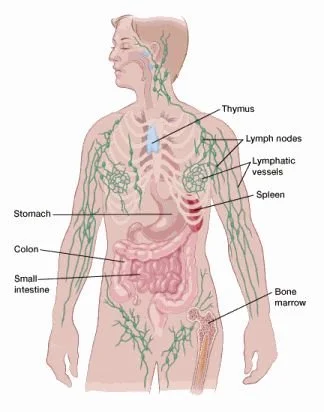
Learn more about this diagram on the American Cancer Society website.
My explanation below is from 2 sources: a breast cancer guide given to me by my cancer center (written by EduCare, Cope Library 2012), and from the American Cancer Society website. https://www.cancer.org/treatment/understanding-your-diagnosis/lymph-nodes-and-cancer.html
The lymphatic system serves as the sewage system for cellular waste in the body. Here is how it works: lymph vessels collect and carry lymph fluid through lymph nodes (amazing little structures that act as filters to stop bacteria, cellular waste, and cancer cells from entering the bloodstream). We have hundreds of lymph nodes throughout the body, with clusters found in the neck, underarms, chest, abdomen, and groin. It is important for this lymph sewage system to work properly and uninhibited, or lymph nodes become clogged and swollen. Most often, swollen lymph nodes occur because of colds, strep throat, ear infections, or other illnesses. However, sometimes swollen lymph nodes can signal that there is a problem, like cancer.
Cancer that begins in the lymph nodes is called lymphoma. Other cancers can spread to other parts of the body through the lymphatic system or the bloodstream. The spread can be local (contained in the same area as the tumor); regional (in the lymph nodes near the tumor); or distant (to other organs in the body — known as metastasis).
When cancer does spread to lymph nodes, it usually spreads to nodes near the tumor itself. If a swollen lymph node is suspect, most doctors will recommend a needle biopsy, which tests tissue samples for cancer. I have read about the controversy over whether or not to biopsy. Here is a study about breast cancer that will shed some light on this topic. https://www.ncbi.nlm.nih.gov/pmc/articles/PMC4015162/
For breast cancer, a small amount of lymphatic fluid leaving the breast is drained in the lymph nodes. The majority is drained through the nodes of the armpit, referred to as axillary nodes. Your surgeon, like mine, may do a sentinel node biopsy. Sentinel nodes are the first few lymph nodes that a tumor would drain into, and thus cause them to be cancerous. A sentinel node biopsy involves injecting a radioactive tracer substance that allows the surgeon to easily locate the sentinel nodes during surgery. Once the nodes are removed, a pathologist immediately reviews them for cancer. If cancer is detected, the surgeon may remove more lymph nodes. As a result of my biopsy, it was determined that both of my sentinel nodes were clear of cancer . . . but the pathology during the surgery was incorrect. A week after my surgery, subsequent pathology revealed that one lymph node was cancerous.
If your surgeon removes all of the lymph nodes under your arm, this is known as a full axillary dissection and can cause lymphedema. Lymphedema is basically a backing up of the lymph fluid as a result of lymph node removal. When lymph nodes are removed or damaged by radiation, the fluid can back up, often causing painful swelling.
In many ways, I am grateful for my journey because I still have most of my lymph nodes. I now understand how important they are to overall health!
After surgery, you want to do everything you can to strengthen your remaining lymph nodes. Our lymph system needs to work properly. It doesn’t have a pump, so we have to engage in some activity that stimulates lymph movement. This is what keeps the lymph system healthy. It is possible that my lymph system was not functioning properly. I have become a “lymph-addict” (get it? lymphatic?) working every day to keep my lymph system pumping in a variety of ways.
TOOLS and TIPS FOR Supporting Your Lymphatic System
There are many ways to support your lymphatic system and overall health. Don't be overwhelmed by this list—you don't need to do everything! I focus daily on the basics, including a healthy diet, hydration, and exercise. I incorporate many of the other practices periodically when they fit into my schedule.
ACUPUNCTURE
Acupuncture is a traditional Chinese medicine practice that involves inserting very thin needles into specific points on the body. Visit the CAM Treatment page to learn more.
BATH/SHOWERS
Alternating hot and cold water causes blood vessels to dilate and constrict and may help stimulate circulation. The cold water shrinks blood vessels. The hot water dilates blood vessels. Alternate between cold and hot (two minutes of cold, and then two minutes of hot). This creates a “pump” response. Use caution if you are pregnant or have cardiovascular disease.
My Experience: I take a hot bath and finish in the shower, alternating between hot and cold water a few times.
BREATHE DEEPLY
Deep breathing exercises may help encourage the movement of lymphatic fluid and are sometimes included in lymphedema management programs. Deep breathing exercises help the flow of the lymph fluid through the body and away from the area with lymphedema. https://www.cancerresearchuk.org/about-cancer/coping/physically/lymphoedema-and-cancer/treating/exercise
Visit the De-stress page to learn more about deep, belly breathing. My Experience: I practice deep breathing when I wake up and before going to sleep. It has become such a habit that I naturally find myself deep breathing throughout the day—even when I'm running!
CLOTHING
Comfortable, non-restrictive clothing may be especially important for people who have or are at risk for lymphedema. Tight clothing reduces circulation in the lymphatic system.
My Experience: I rarely wear tight clothing except during exercise. I also enjoy wearing natural fabrics. Visit the Detox page to learn more about the materials I choose.
DIET
Eat a low-fat, high-fiber, plant-based diet, and avoid processed foods. Research shows there is a strong link between diet and immunity, including the lymphatic system. https://www.ncbi.nlm.nih.gov/pmc/articles/PMC6723551/
Visit the Diet page to learn more.
EXERCISE AND MOVEMENT
Bouncing, jumping, and rebounding exercises are ways to naturally pump your lymphatic system. Rebounding accomplishes two things at the same time: exercise and lymphatic pumping.
My Experience: I purchased an inexpensive trampoline and used that for two years, then finally upgraded to a more expensive trampoline that I use almost every day. I try to jump for ten minutes every morning. Visit the Exercise page to learn more.
HYDRATION
Staying adequately hydrated supports normal body function, including circulation and fluid balance. Insufficient fluid intake can make the lymphatic system sluggish. Drink at least 64 ounces of water each day. Visit the Hydration page to learn more.
LYMPHATIC MASSAGE
Manual lymphatic drainage is a specialized, gentle massage technique designed to encourage the movement of lymphatic fluid. It is commonly used as part of lymphedema treatment.
You can learn certain techniques yourself or work with a healthcare professional specifically trained in lymphatic drainage.
Watch the video for directions on self lymph drainage massage.
SKIN/DRY BRUSHING
Dry brushing involves gently brushing dry skin with a body brush, usually before showering. Brush toward your heart, under arms, behind knees, inner thighs, and bottoms of the feet. Do not brush your face or breasts, or if there is an active skin infection. This may open pores and stimulate the lymphatic system, as many of the lymph vessels lie just under the skin. Evidence that dry brushing improves lymphatic drainage is limited, but some people enjoy it as part of their skin-care routine.
Watch the video for directions on skin/dry brushing.
VIBRATION PLATE
A vibration plate is a machine that creates rapid vibrations while you stand, sit, or exercise on it. Whole-body vibration has been studied for several health and rehabilitation purposes, but evidence for improving lymphatic drainage is still limited.
Our Experience: We used a vibration plate at a CAM doctor’s office and decided to buy one to use at home. The CAM doctor recommended that I not only stand on the plate, but also put my hands on the plate (almost like I’m doing a push up) to shake my upper body. She recommended that Joel use the vibrate machine regularly, to avoid bowel obstructions.
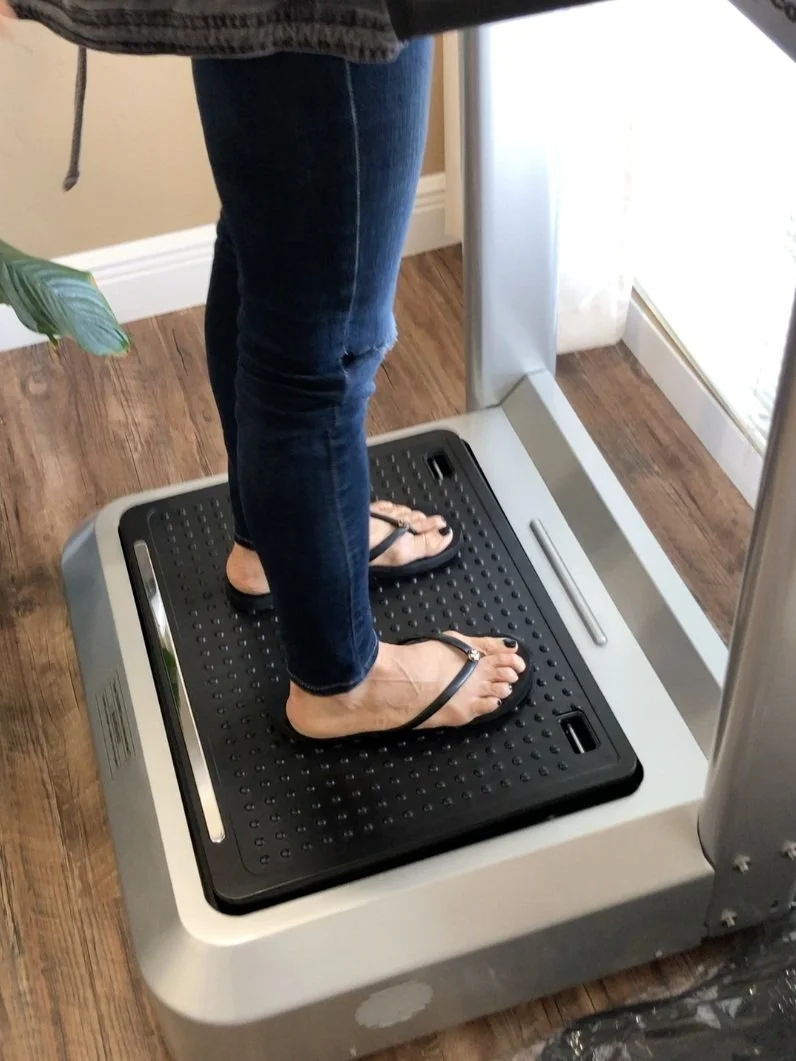
A vibration plate shakes your body and there is evidence it gets your lymph system moving.
Surgery is one of the most common treatments for cancer. Sometimes surgery is recommended first, sometimes other treatment is given before surgery, and sometimes surgery is not recommended or helpful. When possible, the goal may be to completely remove the cancer from the body. Surgery can be particularly effective for localized cancers that can be safely removed with clear margins. This is called “curative.” The removal of localized tumors has saved many lives.
In some situations, surgery is urgent or necessary, as it was in Joel's case. When cancer has spread, surgery may still be used in certain circumstances or to relieve symptoms caused by a tumor. For breast cancer, surgical options may include lumpectomy or mastectomy, depending on the individual diagnosis and circumstances.
To learn more about surgery for your specific type of cancer, visit Cancer.gov and search for your cancer type. Visit Julie’s Online Favorites to see items that may be helpful before and after surgery.
Surgery places stress on the body and requires time and energy for recovery. When there is time before a planned surgery, preparing yourself physically and mentally may help support recovery. In Joel's emergency situation, preparation wasn't an option. In my case, it was.
Surgery places stress on the body and requires time and energy for recovery. When there is time before a planned surgery, preparing yourself physically and mentally may help support recovery. In Joel's emergency situation, preparation wasn't an option. In my case, it was.
Surgery

It was a moment I will never forget…the surgeon walked down the hospital hallway to share news that would change our lives.
PREPARING FOR SURGERY
If you have time before surgery, focus on supporting your body with healthy habits:
Eat a whole-food, plant-based diet.
Do a medically supervised, water-only fast. Water fasting is not a cure, but rather a process to reset the immune system and facilitate the body's own healing mechanisms. Here are some water fasting facilities around the U.S. I have done two water fasts: at TrueNorth Health Center and Balance for Life Health & Wellness Retreat. Read “Water Fasting Experiences” for more.
Do a juicing fast.
Stay well hydrated.
Stay physically active as your medical team allows.
Get plenty of sleep and rest.
CHOOSING YOUR SURGEON
If you have time, learn about your surgeon's training, experience, and expertise with your particular procedure. Because Joel's surgery was an emergency, he was assigned a surgeon. Thankfully, he turned out to be highly regarded. In my case, Joel found my surgeon who had been recommended by several friends, and he became my surgeon.
PAIN RELIEF AFTER SURGERY
I have been asked about whether to take pain medication after surgery. There is an important place for pain medication when it is needed. Adequate pain control can make it easier to rest, move, breathe deeply, and recover after surgery. The type and amount needed will vary from person to person. After both of my surgeries, I only needed prescription pain medication on the first day. I used natural pain relievers as well, like bromelain and curcumin as part of my personal recovery routine. Alleviating pain allows the body to sleep which is important for healing.
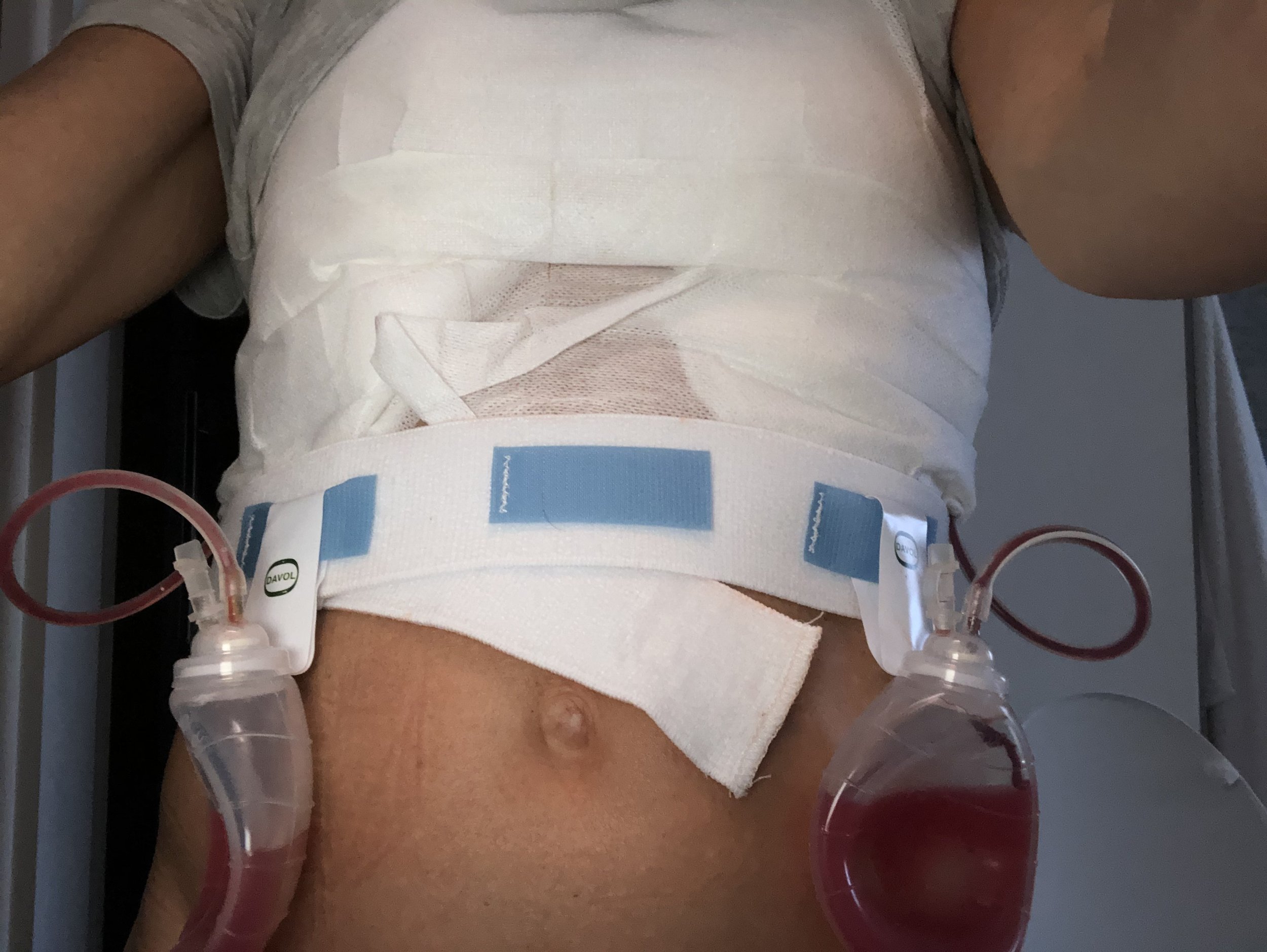
After my double mastectomy, my surgical drains had to be monitored and the fluid output charted measured and recorded. I was so thankful Joel took care of this for me.
The discovery of anesthesia in 1846 made longer and more complex surgeries possible, but infection remained a serious problem. Later, surgeon Joseph Lister introduced antiseptic surgical techniques, dramatically changing the safety of surgery. Yes, Listerine was named in honor of Joseph Lister, but interestingly, he didn't invent the product.
As surgery advanced, removing tumors became an increasingly important cancer treatment. By the early 20th century, surgeons were attempting to remove both localized and more advanced cancers—with some patients cured and others experiencing recurrence.
Surgeon William Halsted pioneered the radical mastectomy, which removed the breast along with surrounding tissues and lymph nodes in an effort to prevent breast cancer from returning. When more lymph nodes were removed from breast cancer patients, there were side effects, such as swelling and long recovery. This is now known as Lymphedema (see above).
THE HISTORY OF CANCER SURGERY
Summarized from Siddhartha Mukherjee’s book, The Emperor of All Maladies: A Biography of Cancer.
Early surgeon John Hunter distinguished between tumors that were movable and those that were fixed, believing movable tumors were more likely to be successfully removed.
Chemotherapy uses medications to kill cancer cells or stop them from growing and dividing. Different chemotherapy drugs are used for different types of cancer and may be given alone or in combination. Chemotherapy can be administered in several ways, including intravenously through an IV or implanted port, or orally as a pill.
OTHER APPROACHES
There are some innovative concepts to learn about when dealing with chemotherapy, and even how chemo is delivered, such as chemosensitivity testing and insulin potentiation chemotherapy (IPT).
Chemosensitivity testing — exposes cancer cells to different chemotherapy drugs in a laboratory to see which ones appear most effective. This doesn’t always predict what will happen inside a person's body.
Insulin potentiation therapy/chemotherapy (IPT) — uses insulin together with lower doses of chemotherapy. Insulin is given to the patient, followed by a low dose of chemotherapy. The insulin interacts with insulin receptors on cancer cells and may increase the uptake of the chemotherapy drug, with the goal of using a lower—and hopefully more effective—dose of chemotherapy.
SUPPORTIVE TREATMENTS
Chemotherapy affects healthy cells as well as cancer cells, which can cause side effects such as fatigue, anemia, immune suppression, infection risk, nausea, and bleeding. Supportive treatments can help manage many of these effects. We have learned about treatments that can be used before chemotherapy to help prepare and support the body, as well as treatments that can be used afterward to support recovery. One example is High-dose IV (intravenous) vitamin C. Some studies suggest that high-dose IV vitamin C can reduce treatment-related side effects.
“Chemotherapy works brilliantly for a few patients, pretty well for some, and poorly or not at all for others. This holds true even for people with the same stage of the same cancer. ”
Chemotherapy
Could Fasting Make Chemotherapy More Effective?
According to one study, patients who fasted during chemotherapy for ovarian cancer had significantly longer progression-free survival time than patients who ate a normal diet—an average of 38 months vs 24 months for controls. https://ascopost.com/issues/june-10-2026/short-term-fasting-around-chemotherapy-may-improve-treatment-response-in-ovarian-cancer/
This is not the first study that has shown this result. Research shows that short-term fasting reduces the toxicity of chemotherapy, strengthens normal cells, and weakens cancer cells, increasing the impact of treatment. https://pmc.ncbi.nlm.nih.gov/articles/PMC6530042
Cancer cells are supersmart—they can eventually build resistance to almost any treatment—but not as adaptable as normal cells are to things like lack of food. Human beings have experienced lack of food and starvation since human life began.
This is great news for cancer patients, but here is the difficult news … cancer patients are not offered this option—or other options that can increase survival—by conventional oncologists.
SUPPLEMENTS DURING CHEMOTHERAPY
You may be advised by your oncologists to stop supplements during chemotherapy and/or radiation. Most oncologists believe that supplements interfere with treatments. The article, "Antioxidants and other nutrients do not interfere with chemotherapy or radiation therapy and can increase kill and increase survival" explains that “ . . . 50 human studies involving 8,521 patients, 5,081 of whom were given nutrients, have consistently shown that non-prescription antioxidants and other nutrients do not interfere with therapeutic modalities for cancer. Furthermore, they enhance the killing of therapeutic modalities for cancer, decrease their side effects, and protect normal tissue. In 15 human studies, 3,738 patients who took non-prescription antioxidants and other nutrients actually had increased survival.” https://pubmed.ncbi.nlm.nih.gov/17283738/
THE HISTORY OF CHEMOTHERAPY
Summarized from Siddhartha Mukherjee’s book, The Emperor of All Maladies: A Biography of Cancer.
In the early 1900s, Paul Erlich tried to find a cure for cancer. He searched for chemicals that could selectively attack disease-causing organisms without harming the patient. He called these treatments “magic bullets.” The challenge was that chemo not only killed cancer cells, but also killed normal cells.
During World War I, mustard gas was used as a chemical weapon for the first time. It caused respiratory problems, burnt skin, blisters, blindness, even death. Those who survived had depleted bone marrow, anemia, required blood transfusions, were prone to infections, and had low white cell counts. This observation would later become important in the development of cancer treatments.
During World War II, an American ship carrying over 70 tons of mustard gas was bombed in the Italian port of Bari. Soldiers exposed to the gas experienced many of the same effects seen during World War I, including severe suppression of bone marrow and white blood cells. A chemical warfare unit was set up to investigate war gases, which eventually led to the use of nitrogen mustard on lymphoma, and also the discovery of 6MP. These substances were effective on lymphoma and leukemia patients at first, but eventually most of the cancers came back, and some aggressively. During this time, there wasn't much progress on cancer treatment solutions. Yet other good things happened, like antibiotics being discovered and hospitals being built to provide clean facilities for surgeries.
Around this time, Sidney Farber, M.D. became interested in leukemia and was at the forefront of new cancer research. He was instrumental in starting the Children's Cancer Fund. By 1951, he had so many patients that he raised money for a facility that was built in 1952. Farber continued his research on an antibiotic, called Actinomycin D, that was proven to damage DNA. Unfortunately, it failed to help leukemic children. He tried it on other types of cancer, but it failed to help. When he combined X-ray with the drug, it initially helped children with metastatic kidney cancer, but the result was only temporary. This opened the door to treating solid tumors.
As interest in chemotherapy grew, so did fundraising and federal support for cancer research. In 1954, the Senate authorized the National Cancer Institute (NCI) to research chemotherapy drugs. By 1964, they had tested 82,700 synthetic chemicals, 115,000 fermentation products, and 17,200 plant derivatives.
More researchers came together under the NCI to do cancer research. The progression over the next several years was fascinating, yet challenging, for the doctors and patients involved in the experimental phase of testing. Sometimes high doses of drugs were used on very sick patients. With these various experiments, there were cures, there were many deaths, and there were several discoveries. Researchers learned that even though the visible cancer was gone, there was still cancer in the body.
Many critics say that the NCI worked backwards, because they worked toward finding a cure instead of identifying the cause.
In 1971, President Nixon signed the National Cancer Act and declared the “War on Cancer.” Massive funding supported numerous clinical trials.
In 1975, an oncologist, named Lawrence Einhorn, M.D., helped develop Cisplatin and cured people with solid tumors.
The NCI initiated the study of hundreds of thousands of drugs with severe side effects, and by 1979, they had set up 20 comprehensive cancer centers with teams of surgeons, medical oncologists, radiation oncologists, researchers, and other specialists.
By the early 90s, insurance companies were paying for high-dose chemotherapy, and most states started passing laws mandating coverage.
Over the decades, chemotherapy has continued to evolve. Today, there are many different chemotherapy drugs and combinations, and treatment is increasingly individualized according to the type and stage of cancer, tumor characteristics, previous treatments, and the individual patient.
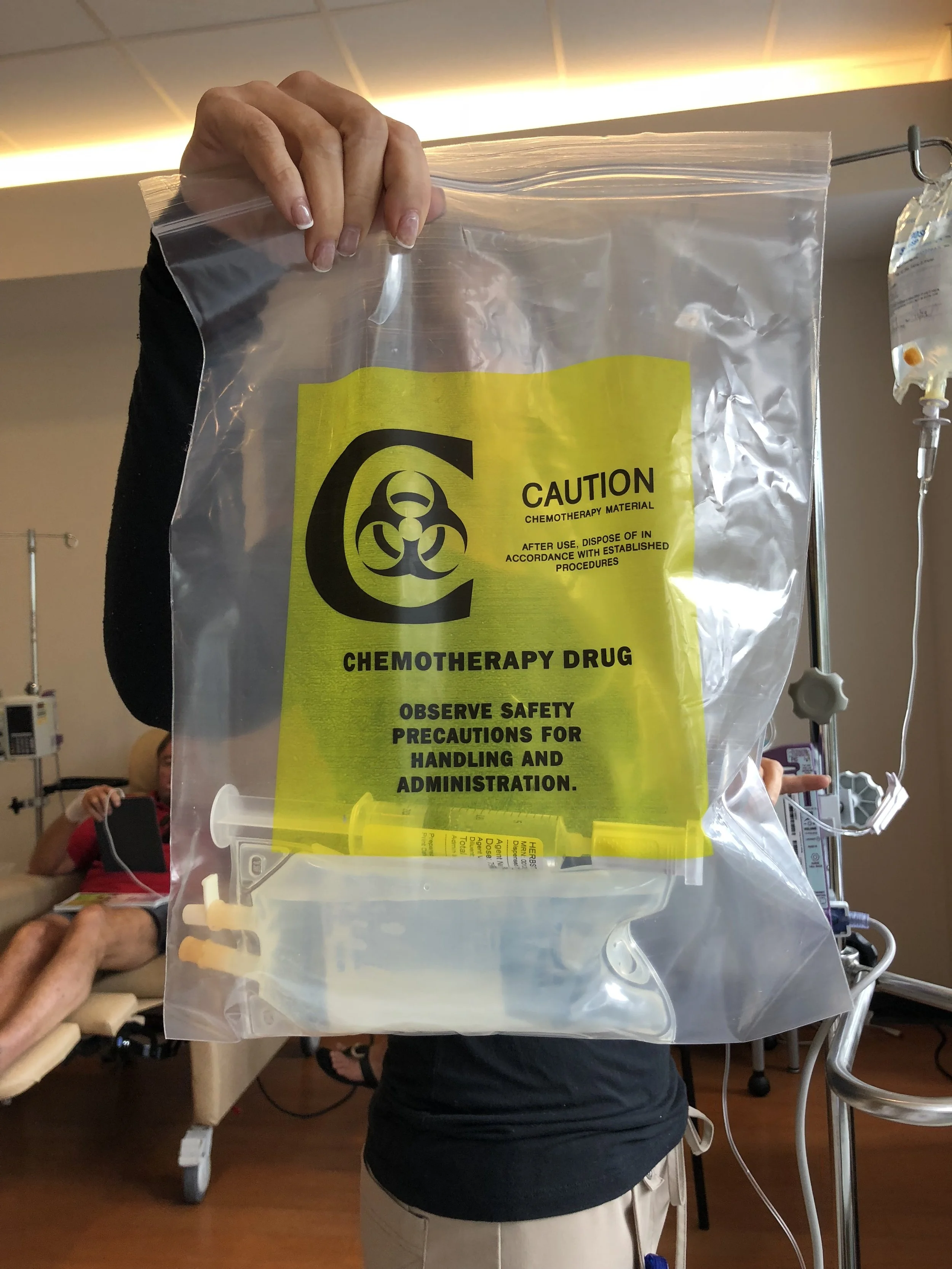
I took these photos on Joel's first day of chemo. It was hard to see the "caution" bag on the fluids they were putting in his body. Joel said, “Let the healing begin!"
According to Siddhartha Mukherjee’s book, The Emperor of All Maladies: A Biography of Cancer the use of radiation to treat cancer began shortly after the discovery of X-rays in 1895. In 1896, Chicago medical student Emil Grubbe was among the first to use X-rays to treat a patient with cancer.
The National Cancer Institute describes radiation or radiotherapy as, "a cancer treatment that uses high doses of radiation to kill cancer cells and shrink tumors.” Radiation kills cancer cells or slows their growth by damaging their DNA.
The Cancer Research Institute explains that “radiation can take two different forms — external and internal. External beam radiation uses a machine outside the body to direct x-rays or gamma rays into the tumor. Internal radiation (brachytherapy) places a radioactive substance, like radium, into the body by means of a pill, injection, or insertion in a sealed container. “ Some radioactive treatments can also be given by mouth or injection; these are generally called systemic radiation therapy.
There are also specialized forms of radiation therapy.
Proton Beam Therapy (PBT) — Uses protons instead of traditional X-rays to deliver radiation to a tumor. It can allow doctors to better control where the radiation stops, which may reduce radiation exposure to nearby healthy tissue. For example, a tumor located close to the brain, spinal cord, heart, or other sensitive tissue, where doctors want radiation to stop more precisely and limit exposure beyond the tumor.
Intraoperative Radiation Therapy (IORT) — Delivers a concentrated dose of radiation directly to the area where the tumor was removed during surgery, while the surrounding healthy tissues can be moved or protected. It is appropriate only in certain situations. For example, during breast cancer surgery, after the surgeon removes the tumor, radiation may be delivered directly to the area where the tumor was located before the incision is closed.
Intensity-Modulated Radiation Therapy (IMRT) — An advanced form of external beam radiation that adjusts the intensity and shape of radiation beams to conform closely to the tumor, helping limit the dose received by surrounding healthy tissue. For example, a prostate tumor surrounded by healthy organs. IMRT can shape and adjust the radiation beams to target the prostate while reducing radiation exposure to nearby areas such as the bladder and rectum.
Radiation
Treatment Tips and Tools
One of the best ways to support yourself throughout cancer treatment is to stay focused on the daily BASICS—diet, hydration, exercise, de-stressing, and sleep. Visit the FLOURISH page to learn more.
Below are some of the supportive tools, complementary therapies, and remedies we used or had available during Joel's chemotherapy and radiation treatments.
ACUPUNCTURE
Acupuncture is a traditional Chinese medicine practice that involves inserting very thin needles into specific points on the body. It may help manage certain treatment-related symptoms, including nausea and pain. Visit the CAM Treatment page to learn more.
Our Experience: Joel did acupuncture during treatment; I did acupuncture before, during, and after my diagnosis. Read “Traditional Chinese Medicine Experience” for more.
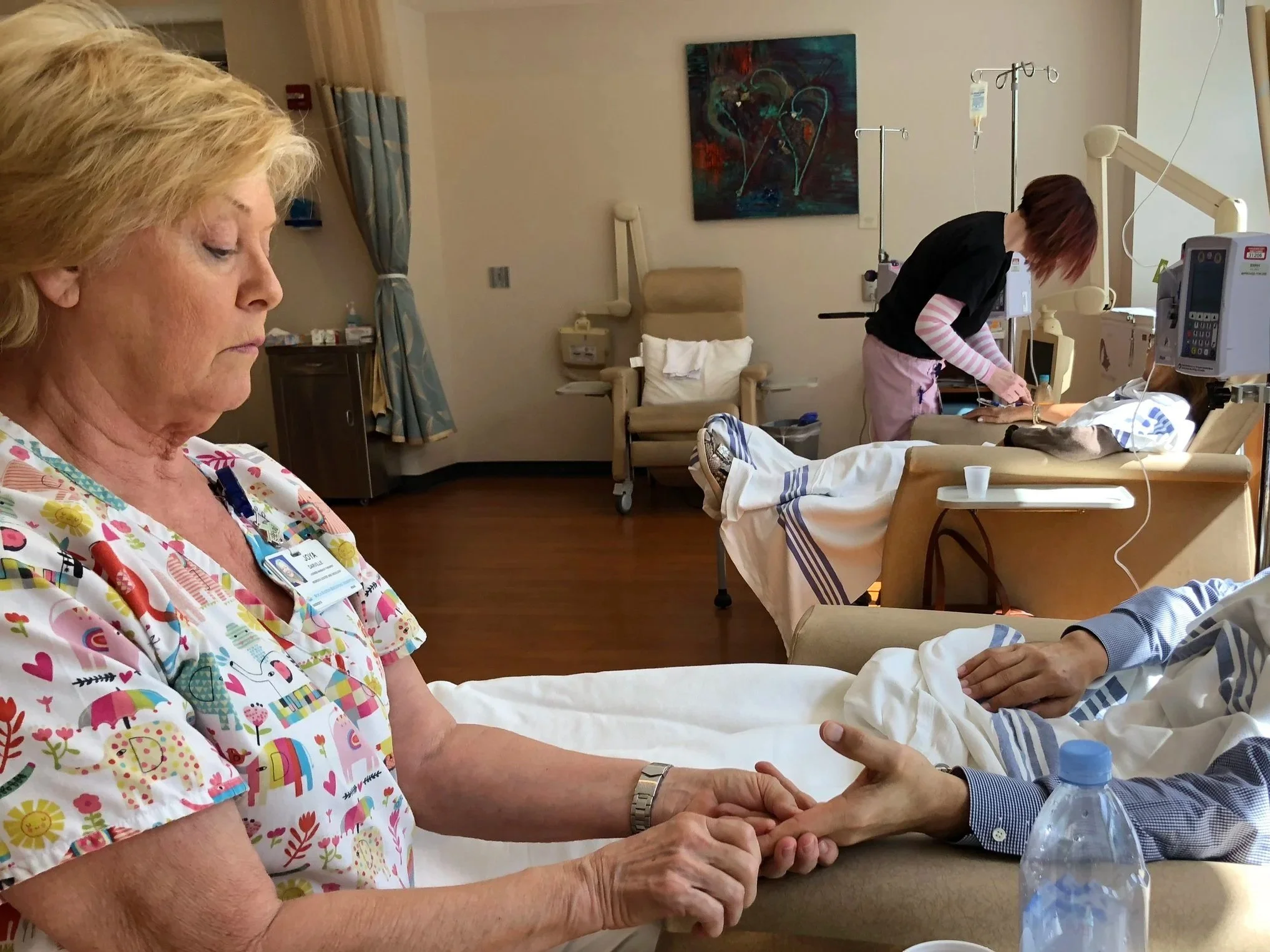
Our cancer center offered acupuncture and also provided gentle massage during chemotherapy.
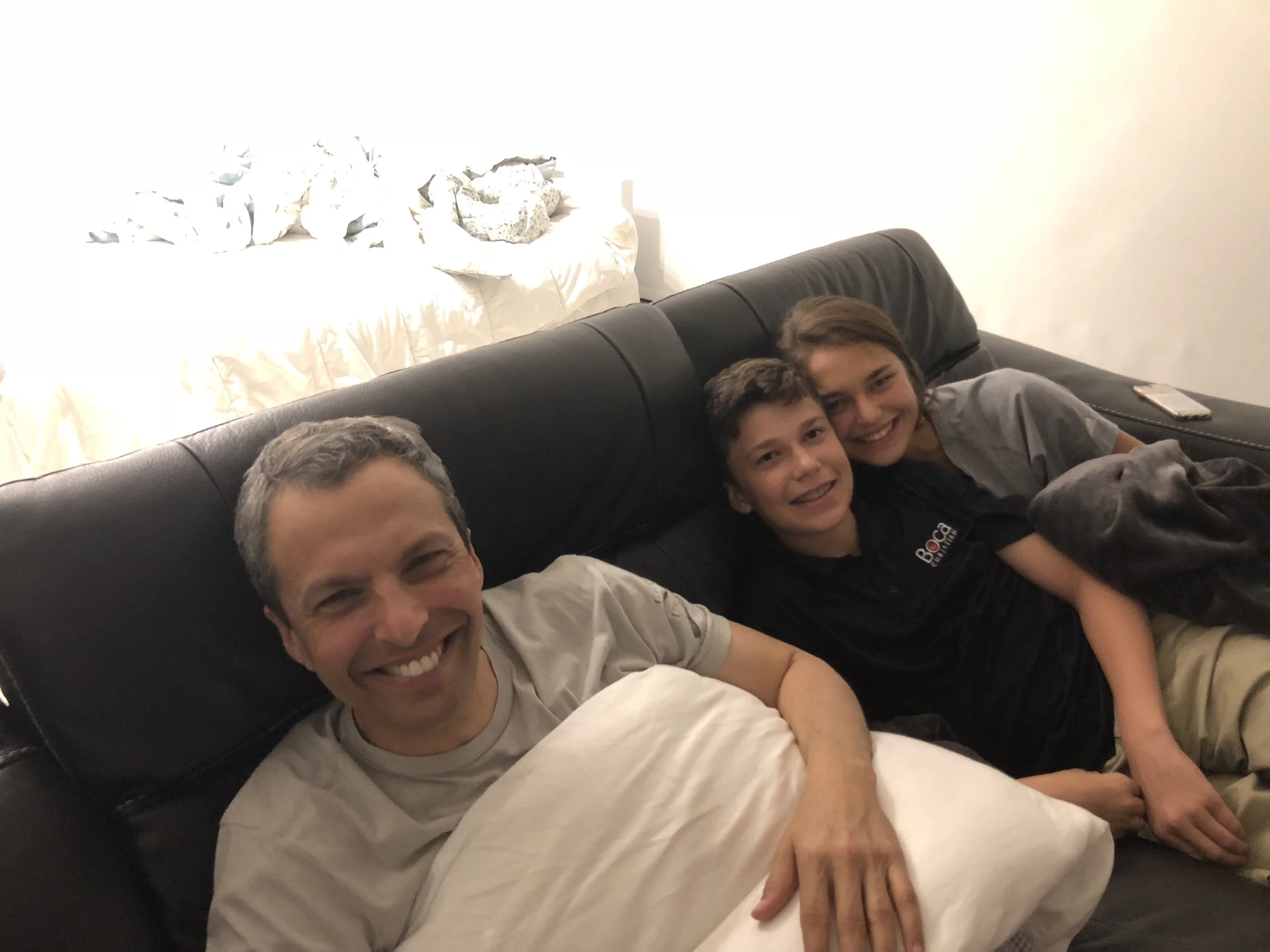
During chemotherapy, Joel would lie on our downstairs couch for hours at a time recovering from treatment. The kids would join him and always cheer him up. They were the best therapy!
CANNABIS (MEDICAL MARIJUANA)
Medical cannabis may help some cancer patients manage symptoms such as nausea, pain, appetite loss, and sleep problems. For some patients, it may provide an alternative to certain prescription medications used to manage these symptoms.
If medical cannabis is legal in your state, talk with your medical team about whether it is appropriate for you and how to apply for a medical cannabis card.
Read “Hello, Cannabis! Goodbye, Drugs! to learn about our experience with medical cannabis during cancer treatment.
CASTOR OIL PACK/kit
A castor oil pack is used as a warm, soothing compress, often over the abdomen or another area of discomfort. It is believed to reduce inflammation, among other benefits. Wrap a wool cloth soaked in castor oil around the torso or apply to inflamed area.
Our Experience: Joel used a castor oil pack to soothe his stomach after chemotherapy and radiation, sometimes with a heating pad on top. I periodically use one on my chest and abdomen.
CHAMOMILE TEA (Matricaria recutita)
Chamomile has been studied for oral mucositis (mouth sores) caused by cancer treatment and may help soothe or prevent these sores. We had this tea on hand during chemotherapy, but Joel never developed mouth sores. https://pubmed.ncbi.nlm.nih.gov/15693704/
The tea can be mixed with pure honey and turmeric. https://pubmed.ncbi.nlm.nih.gov/26182820/
DETOX BATH
A warm bath can be relaxing and soothing during or after treatment. Take a detox bath 2-3 times per week. Soak in the tub for at least 20 minutes. Visit the Julie’s Online Favorites page for the detox bath recipe.
ESSENTIAL OILS
Essential oils may be used as part of aromatherapy for relaxation, comfort, or symptom management. Some scents can worsen nausea during chemotherapy, so individual tolerance matters.Visit the CAM Treatment page to learn more.
Our Experience: Joel sometimes added essential oils to his foot baths when the scent didn't make him nauseated. I use several essential oils, including lavender before bed.
EYE MASK
Wearing an eye mask at night can improve sleep because it blocks out light, which results in increased melatonin production. Melatonin is the hormone your brain produces in response to darkness; whereas, light suppresses the secretion of melatonin, which then disrupts quality sleep. Not having enough melatonin can lead to sleep disorders. A review of the research shows that wearing eye masks and ear plugs improve the quality of sleep. https://onlinelibrary.wiley.com/doi/full/10.1111/jsr.12607
My Experience: I've worn an eye mask for years. It took a few nights to get used to, but it makes a big difference for me, especially when falling asleep.
FASTING BEFORE AND AFTER CHEMO
Researchers are studying whether short-term fasting or fasting-mimicking diets around chemotherapy may affect treatment tolerance or effectiveness. Fasting, or calorie and protein restriction, can also be referred to as dietary energy restriction (DER). There are short-term fasts, which Joel did during chemotherapy; and there are long-term fasts, which I did at water fasting facilities under the guidance of a trained physician.
Visit the CAM Treatment page to learn more.
Our Experience: When we learned there was research on the efficacy of fasting, Joel fasted for 1-2 days prior to and after chemotherapy. This was easy for him to do since he was experiencing nausea and loss of appetite from the chemotherapy. I have done two medically supervised, water-only fasts. Read “Water Fasting Experiences.”
FOOT BATHS
A warm foot bath can provide warmth, relaxation, and comfort during treatment. It can be very soothing to soak feet after treatment, especially with a foot bath that heats and massages. There is a cold feeling that often accompanies chemotherapy called cold dysesthesia. A foot bath can also ease tingling, burning, or numbness in the hands and feet called peripheral neuropathy. Another option is to have foot reflexology from a massage therapist.
Joel’s Experience: Joel used foot baths during chemo.
HEATING PAD
Similar to foot baths, a heating pad provides targeted heat therapy to help soothe pain and ease cold, tingling, burning, or numbness in the hands and feet.
Our Experience: We each used heating pads after our surgeries. Joel used the heating pad on multiple areas of his body to soothe aches and pains during chemotherapy and radiation. He would often add a heating pad on top of a castor oil pack on his stomach.
HIGH-DOSE iV (INTRAVENOUS) VITAMIN C
High-dose IV vitamin C has been studied as a complementary therapy alongside conventional cancer treatment. Some studies have reported improvements in treatment-related symptoms or quality of life. Given intravenously, high-dose vitamin C can be beneficial before and after chemotherapy. https://pubmed.ncbi.nlm.nih.gov/1068480/
Visit the CAM Treatment page to learn more.
Our Experience: I wish we had known about the IVC while Joel was going through chemotherapy, but once we started CAM Treatments together after my diagnosis, we received IV vitamin C for a year.
Hyperbaric Oxygen Therapy / Hyperbaric Chamber
Hyperbaric oxygen therapy involves breathing pure oxygen in a pressurized chamber. It is an established treatment for certain medical conditions. This therapy fuels the blood plasma and tissues with oxygen, and has been shown to reduce inflammation and facilitate healing. Medical research has shown that this is safe for cancer patients, but more research needs to be done to prove that HBO inhibits tumor growth. https://www.ncbi.nlm.nih.gov/pmc/articles/PMC3510426/
Visit the CAM Treatment page to learn more.
My Experience: I've experienced a hyperbaric chamber. Once I got past the initial claustrophobic feeling, I was fine.
LEMONGRASS TEA (Cymbopogon citratus)
Lemongrass is an herb that has a wide range of benefits. This herbal tea is believed to help patients with chemotherapy-related anemia or digestive problems, but evidence is limited. We had this tea on hand during Joel’s treatment.
LIP BALM
Cancer treatments can leave the lips dry or irritated. A simple lip balm can help keep them moisturized. To moisten dry lips during chemotherapy. Choose a lip balm that is free of additives.
LOZENGES
Some chemotherapy drugs can cause taste changes, including a metallic taste. Lozenges or hard candies may help make the taste more tolerable.Some chemotherapy patients notice a metallic taste in their mouth as a result of treatment. Scientists are still researching why some drugs cause this side effect.
Joel’s Experience: Joel used these lozenges during treatment, and they helped with the metallic taste in his mouth.
MASSAGE
Massage can promote relaxation and help reduce stress, tension, and discomfort. It is also believed to reduce blood pressure, improve sleep and mental health. Cancer patients should choose a therapist familiar with oncology massage when appropriate. Our cancer center offered gentle massage during chemotherapy. This study finds that 10 minutes of massage or relaxation can activate the body's system for overcoming stress. https://www.nature.com/articles/s41598-020-71173-w\
MISTLETOE
Mistletoe extract is used as a complementary cancer therapy, particularly in parts of Europe. It is commonly administered by subcutaneous injection, although intravenous mistletoe has also been studied. Research has explored its effects on quality of life and treatment-related symptoms, but evidence that it improves cancer survival remains uncertain.
Our Experience: We found a doctor through an organization called Believe Big who was trained to administer mistletoe. We both used subcutaneous mistletoe injections for more than a year. Visit the CAM Treatment page to learn more.
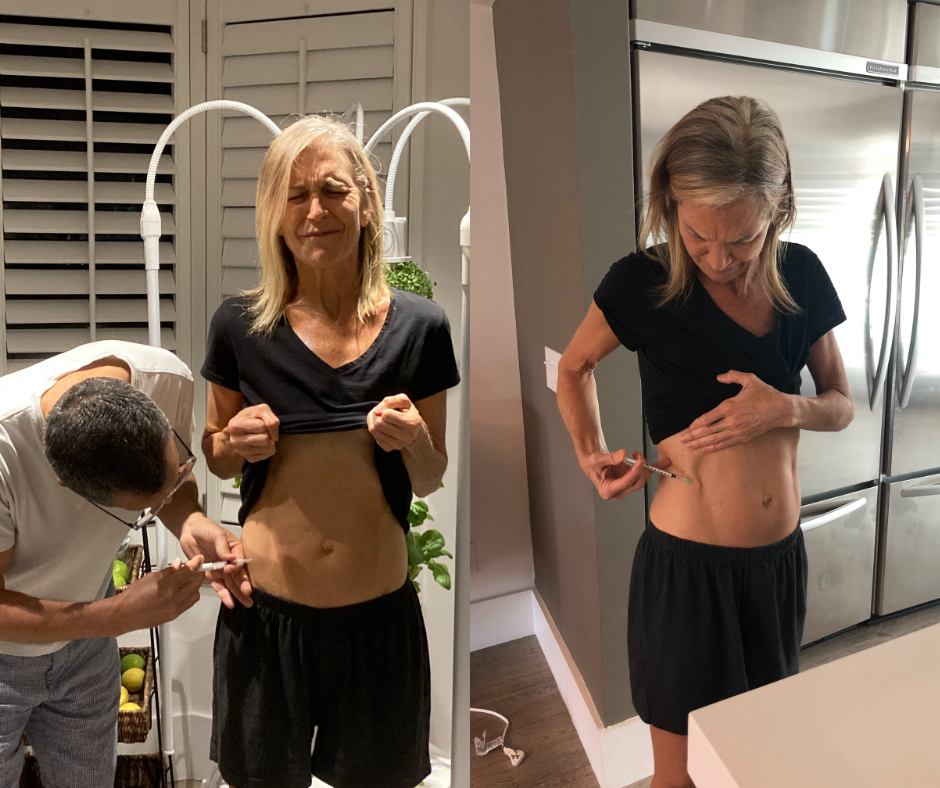
I hate shots—I always have! I was the child screaming at the doctor’s office as soon as a needle appeared. Joel had to give me my mistletoe injections until I finally learned to give them to myself. I’m being a big baby in this picture—the shot really doesn’t hurt!

A castor oil pack can be used after treatment.
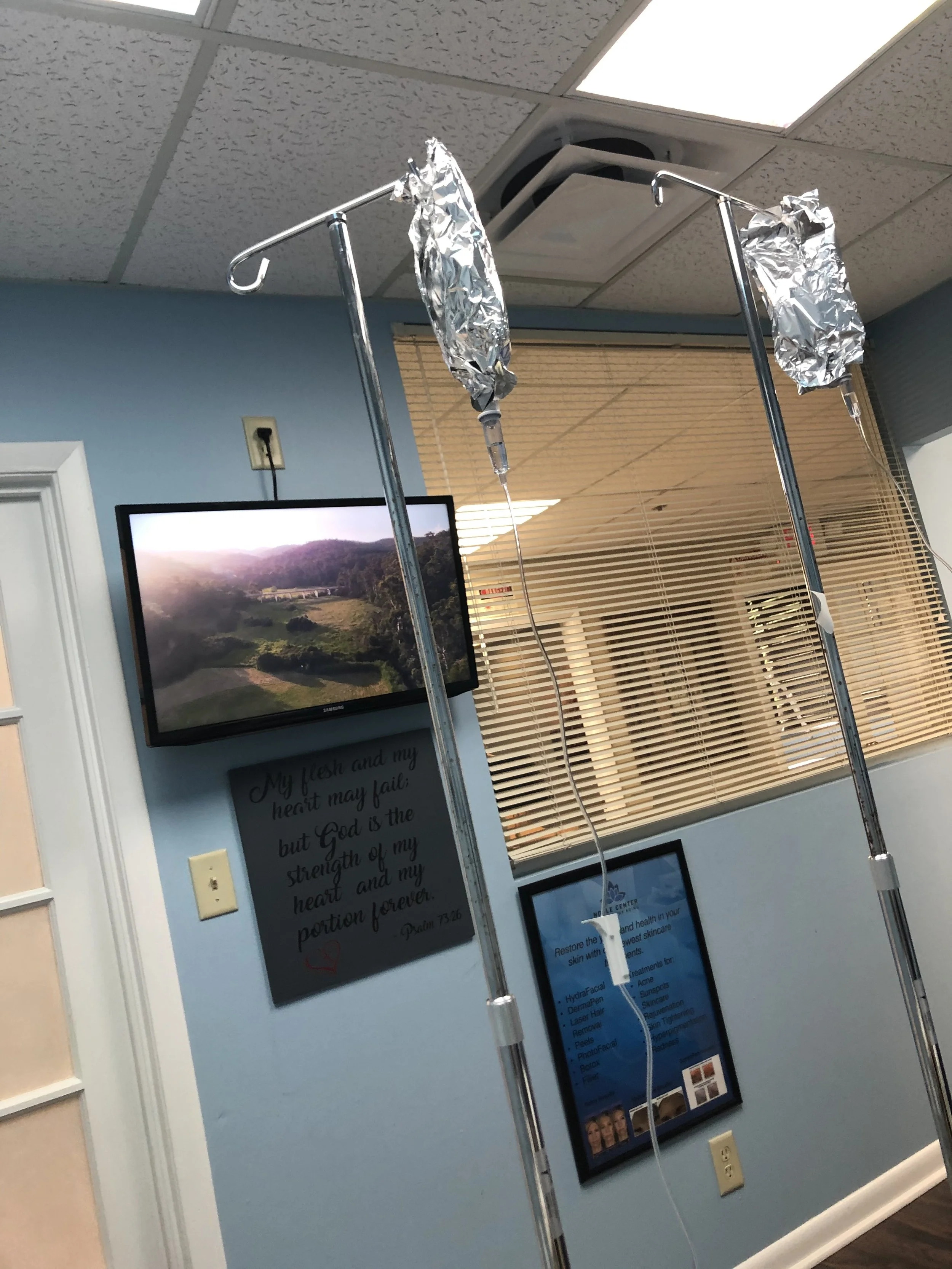
For over a year, we did CAM treatments together, including many IV therapies. High-dose IV vitamin C was a regular part of our protocol.
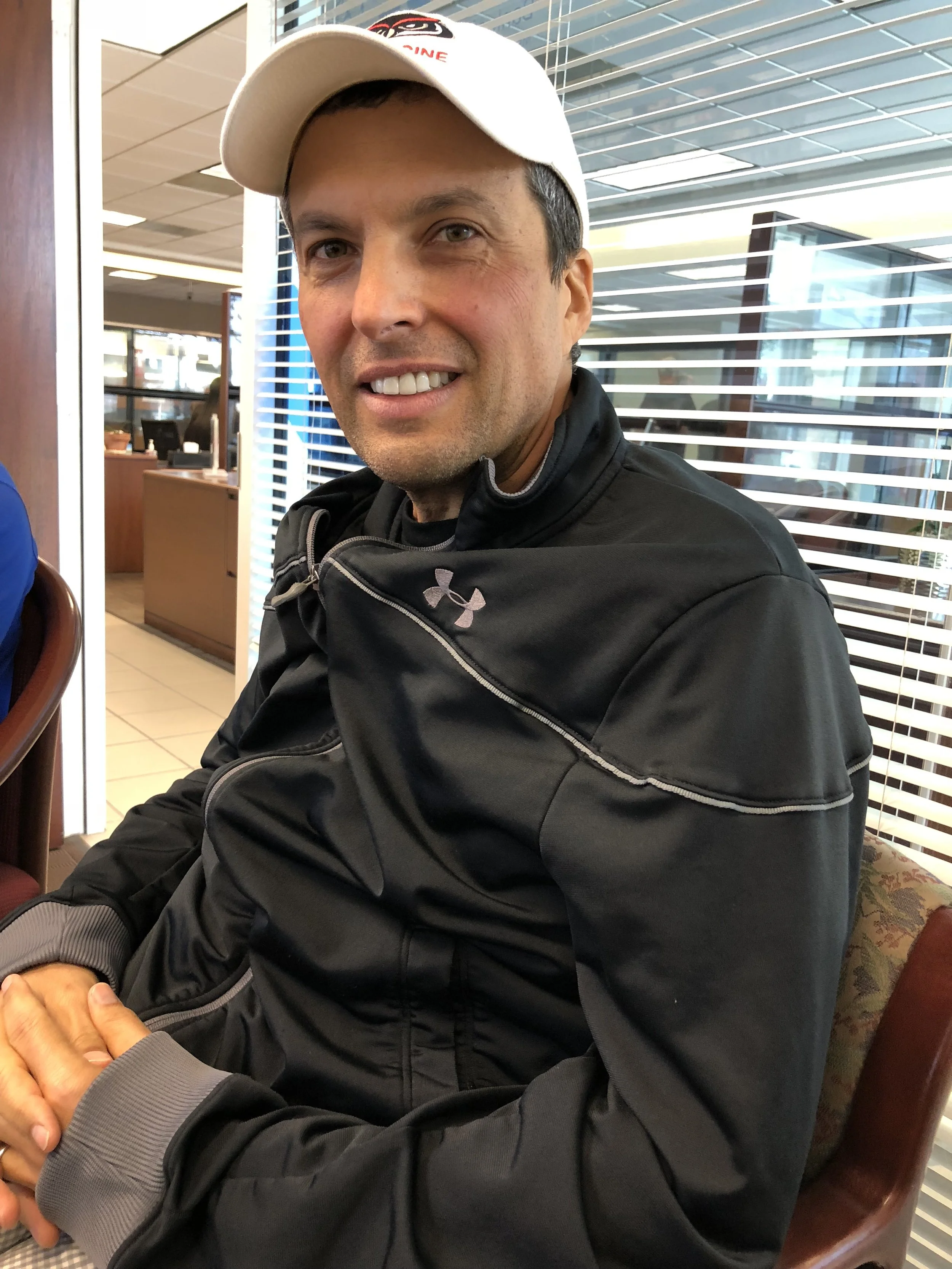
After treatment, Joel’s cheeks would burn, but we couldn’t use cold packs because his chemotherapy caused extreme sensitivity to cold.
MUSIC THERAPY
Listening to or making music may help cancer patients with stress, anxiety, mood, and quality of life. https://www.ncbi.nlm.nih.gov/pmc/articles/PMC4890096/
Joel’s Experience: Joel listened to music during chemotherapy. One of my most emotional memories is hearing him sing Oh My Soul. When I asked why he was singing, he said, “It is the best therapy for me!”
SEA-BANDS
Acupressure wristbands are designed to apply pressure to the P6 point on the wrist and may help some people with nausea.
Joel’s Experience: We tried Sea-Bands during chemotherapy, but they weren't strong enough to relieve his nausea.
SUPPLEMENTS
Some supplements may help with specific symptoms or nutritional needs during cancer treatment. For instance, certain supplements may provide natural pain relief and, in some circumstances, may help reduce the need for pain medications.
WEIGHTED BLANKET
To ease the cold feeling that often accompanies chemotherapy (called cold dysesthesia).
To calm the nervous system.
Joel’s Experience: Joel loved receiving a weighted blanket from a friend during chemo. It helped him sleep. Joel’s type of chemo damaged his nerves and created extreme cold sensitivity. This is known as cold dysesthesia.
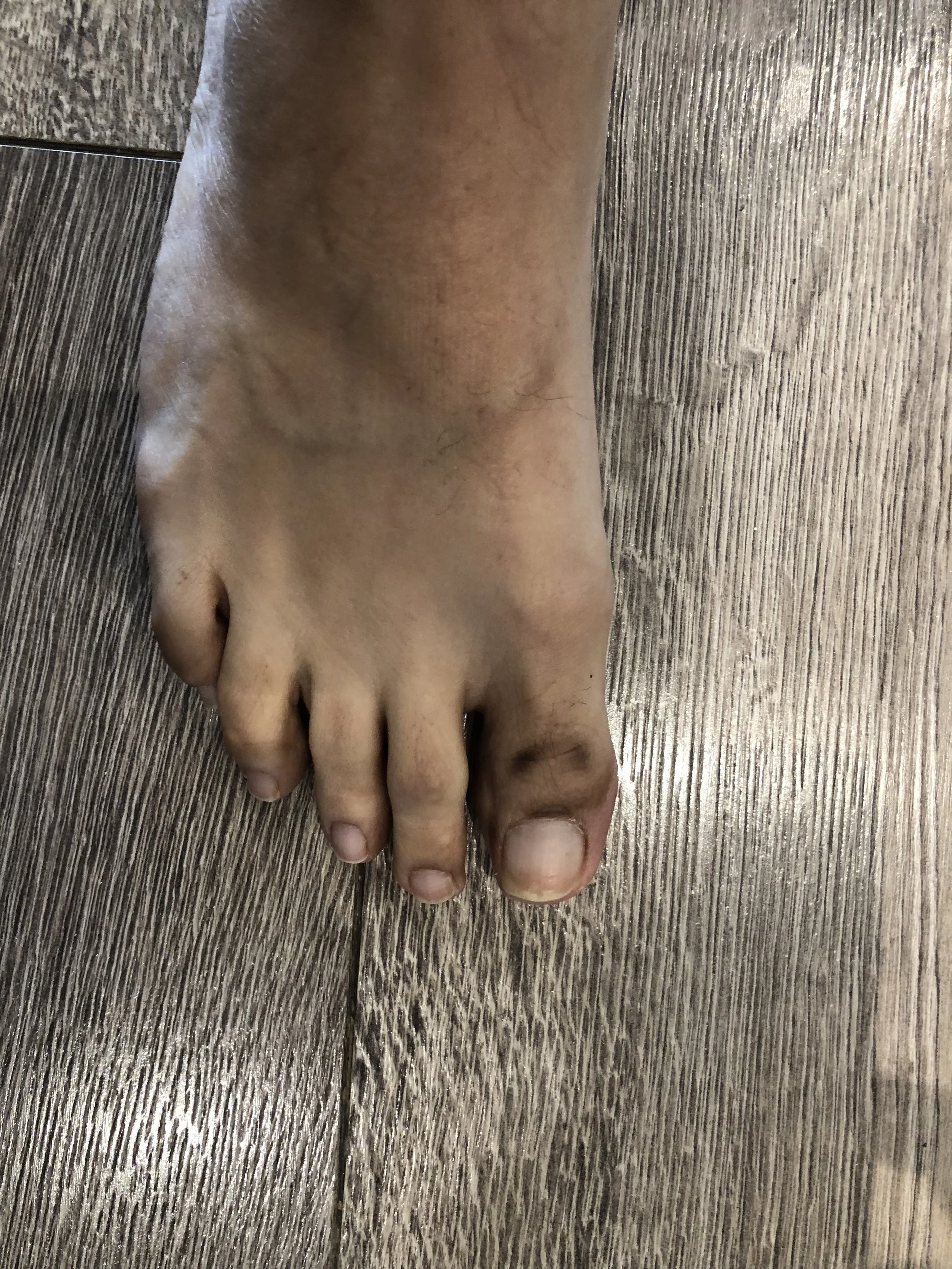
During treatment, strange black marks developed on Joel’s toes, but they disappeared a few months after treatment ended. He consistently used foot baths throughout his treatment.
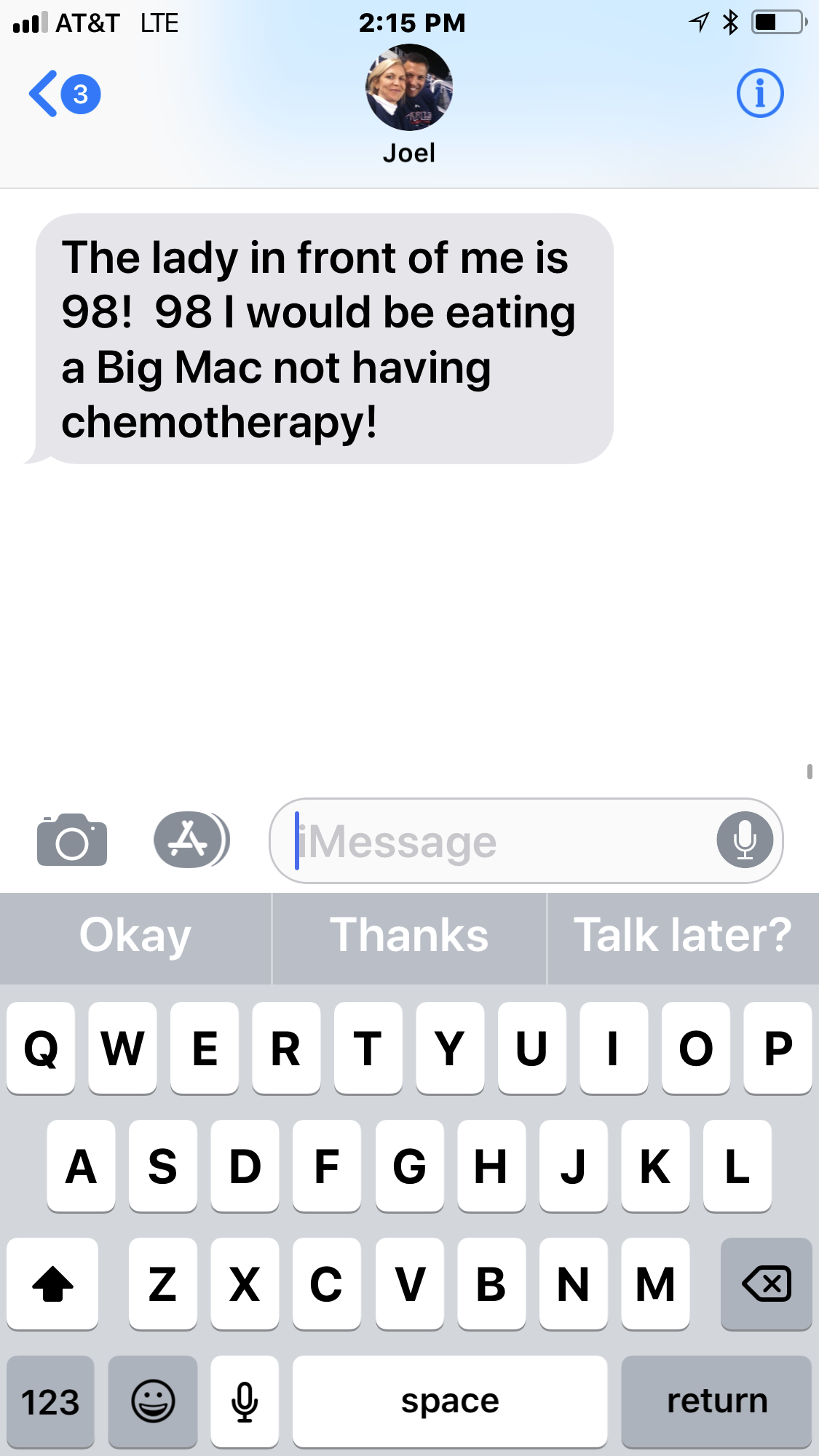
Joel sent this text while standing in line to check in for chemotherapy. We tried to find reasons to laugh as much as possible throughout his treatment.
Immunotherapy
Immunotherapy is a type of cancer treatment that helps the body's own immune system recognize and fight cancer. The immune system naturally identifies and destroys abnormal cells, but cancer cells can develop ways to hide from or suppress the immune response. Immunotherapy works in different ways to help the immune system better recognize and attack cancer cells. Immunotherapy emerged from the observation that cancer patients got better after bacterial infections. The bacterial infection mobilized the immune system to fight cancer along with the infection. In other words, immunotherapy stimulates the body’s own immune system to attack cancer cells. Today, immunotherapy has become an important form of cancer treatment alongside surgery, chemotherapy, radiation, targeted therapies, and other treatments. It is being considered the fourth line of treatment after surgery, chemo, and radiation. It is being touted as the biggest breakthrough in cancer treatment since chemotherapy.
Immunotherapy is now approved for many types of cancer, although it doesn't work for every cancer or every patient. Biomarker testing may sometimes help determine whether a particular immunotherapy is appropriate.
TYPES OF IMMUNOTHERAPY
Immunotherapies can be delivered through multiple delivery models. Here are several immunotherapies being used:
Immune checkpoint inhibitors — Drugs that help take the “brakes” off the immune system, allowing T cells to better recognize and attack cancer cells. https://www.cancer.gov/about-cancer/treatment/types/immunotherapy/checkpoint-inhibitors
T-cell transfer therapy — Removes a patient's immune cells, grows or modifies them in a laboratory to better fight the cancer, and then returns them to the patient. Your own immune cells may be better able to attack cancer. CAR T-cell therapy is one example.
Monoclonal antibodies — Laboratory-made proteins designed to recognize specific targets on cancer cells. Some help the immune system identify and destroy cancer cells. https://www.cancer.gov/about-cancer/treatment/types/immunotherapy/monoclonal-antibodies
An example is Herceptin for breast cancer. It targets HER2.
Cancer treatment vaccines — Help the immune system learn to recognize and respond to cancer cells. These are different from vaccines designed to prevent disease. https://www.cancer.gov/about-cancer/treatment/types/immunotherapy/cancer-treatment-vaccines
An example is Dendritic cell therapy. A patient's dendritic cells can be manipulated to help stimulate an immune response against cancer.
Immune system modulators — Enhance or modify the body's immune response against cancer. https://www.cancer.gov/about-cancer/treatment/types/immunotherapy/immune-system-modulators
There are currently some challenges with conventional immunotherapy, such as cost, inconsistent results, and significant adverse events. Read about the dark side of immunotherapy. Visit Cancer.gov to learn more about immunotherapy.
Dr. Ralph Moss explains that immunology has always been a valuable part of cancer treatment. Coley’s toxins, mistletoe, and PSK are three examples of CAM treatments that are based upon enhancement of the immune response. Visit the CAM page to learn more about CAM treatments.
THE HISTORY OF IMMUNOTHERAPY
Even though immunotherapy seems to be rather new, an excerpt from the Iowa Orthopaedic Journal may explain how and when immunotherapy really emerged: “In 1891, William B. Coley injected streptococcal organisms into a patient with inoperable cancer. He thought that the infection he produced would have the side effect of shrinking the malignant tumor. He was successful, and this was one of the first examples of immunotherapy. Over the next 40 years, as head of the Bone Tumor Service at Memorial (Sloan Kettering) Hospital in New York, Coley injected more than 1,000 cancer patients with bacteria or bacterial products. These products became known as Coley's Toxins. He and other doctors who used them reported excellent results, especially in bone and soft-tissue sarcomas. Despite his reported good results, Coley's Toxins came under a great deal of criticism, because many doctors did not believe his results. This criticism, along with the development of radiation and chemotherapy, caused Coley's Toxins to gradually disappear from use. However, the modern science of immunology has shown that Coley's principles were correct, and that some cancers are sensitive to an enhanced immune system. Because research is very active in this field, William B. Coley, a bone sarcoma surgeon, deserves the title ‘Father of Immunotherapy.’" Coley’s Toxins were banned by the FDA in 1962 for use in the U.S., but are available in other countries.
Off-label Drugs
“A patient’s terrain can be favorably modified through the use of nutritional and off-label medications.”
The FDA (U.S. Food and Drug Administration) approves medications for specific uses based on evidence of safety and effectiveness. Off-label use means that a doctor prescribes an FDA-approved drug for a different condition, cancer type, dose, or other use than what appears on its FDA-approved label. In other words, the drug is being used outside it’s intended purpose. This practice is legal and common in medicine, including conventional cancer treatment.
For example, metformin is FDA-approved to treat type 2 diabetes, but researchers have also studied whether it may have benefits in certain cancers. Using metformin specifically to treat cancer would generally be considered an off-label use.
The idea is that off-label drugs, given in appropriate dosages, can selectively target and kill cancer stem cells (CSCs). Researchers continue to investigate whether certain repurposed drugs may affect cancer growth, metabolism, cancer stem cells (CSCs), or other cancer-related pathways.
Off-label drugs are used in both conventional oncology and some CAM or integrative treatment protocols. https://www.cancer.gov/about-cancer/treatment/drugs/off-label
Joel’s medical oncologist prescribed metformin as part of his treatment. Our CAM doctors combined certain prescription medications with supplements such as berberine, curcumin, melatonin, and quercetin; IV therapies such as high-dose IV vitamin C; and diet and exercise. You will likely experience the use of off-label drugs when you take an integrative approach. Read “CAM And Covid” for more on our experience.
Jane McLelland has an amazing stage 4 cancer story. In her book, How to Starve Cancer. She describes combining conventional treatments with repurposed drugs, supplements, IV therapies, diet, and other approaches. Her book includes charts showing the different pathways she sought to target and the medications and supplements she used. Jane had her own special protocol to block cancer growth that was a little hard to follow for the reader, but she was brilliant in beating her cancer with so many creative combinations of off-label drugs, supplements, IVs, conventional treatments, and more.
Researchers are studying a wide variety of commonly used medications to determine whether they may also have anticancer effects. These repurposed drugs include medications originally developed for diabetes, infections, high cholesterol, inflammation, parasites, and other conditions. Below are some of the repurposed drugs we learned about or used during our cancer journeys. The evidence varies greatly from one drug to another, and many remain experimental for cancer treatment. Most require a prescription and should be used under the supervision of a physician, particularly when combined with conventional cancer treatments. Many of these repurposed drugs are still being researched and have not been established as “effective” cancer treatments. Research changes quickly, and this page may not always reflect the latest findings. Do your own current research and discuss any drug you are considering with a qualified physician who understands your cancer and treatment plan.
Aspirin
Aspirin is a nonsteroidal anti-inflammatory drug (NSAID). Researchers have studied whether aspirin may influence cancer development, recurrence, and survival in certain cancers. Research has been particularly interesting in colorectal cancers with specific molecular characteristics, including PIK3CA mutations. Earlier observational research found improved survival associated with aspirin use in patients with PIK3CA-mutated colorectal cancer.
Lovastatin, high-dose IV vitamin C, Ozone, and aspirin were used by Jane McLelland in combination to add a "killer blow" to starve her cancer.
Evidence suggests that nonsteroidal anti-inflammatory drug aspirin (acetylsalicylic acid) may improve patient survival in PIK3CA-mutant colorectal cancer. https://pubmed.ncbi.nlm.nih.gov/29152088/ https://www.nejm.org/doi/full/10.1056/NEJMoa1207756
The combination of aspirin and Niclosamide (a drug that helps with tapeworm infections) may be chemopreventive. https://clincancerres.aacrjournals.org/content/25/4/1415
CIMETIDINE/TAGAMET
Cimetidine is an H2 blocker commonly used to treat indigestion and/or stomach ulcers, reducing stomach acid. Researchers have investigated whether it may also have anticancer effects, particularly in colorectal and other cancers.
Research studies show a promising effect for cancer patients. https://pubmed.ncbi.nlm.nih.gov/12749247/ https://www.sciencedirect.com/science/article/abs/pii/S014067368890743X https://pubmed.ncbi.nlm.nih.gov/2021961/
Jane McLelland explains that she took this drug with aspirin and low dose naltrexone (LDN).
Joel's Experience: A CAM doctor prescribed cimetidine for Joel to take for a period of time.
DICHLOROACETATE (DCA)
Dichloroacetate (DCA) is a drug that affects cellular energy metabolism and has been investigated as a possible way to target the altered metabolism of cancer cells. Laboratory and early clinical research has generated interest in DCA..
A synthetic halogenated organic acid which has been used in rare diseases like congenital lactic acidosis. https://cam-cancer.org/en/dichloroacetate
This drug has evidence of killing cancer cells in lab animals. https://www.newscientist.com/article/dn10971-cheap-safe-drug-kills-most-cancers/
Targeting metabolism of lung cancer cells is a promising methodology for the treatment of lung cancer.
Potential toxicity, including nerve damage, is also a concern. https://pubmed.ncbi.nlm.nih.gov/31827705/
2-DEOXY-D-GLUCOSE (2-DG)
2-DG is a glucose-like compound researchers have investigated as a way to interfere with the glucose metabolism that cancer cells may depend upon for energy. It has been studied alone and in combination with other therapies..
2-DG has been reported to inhibit cell proliferation by intervening the glycolytic pathway. However, phase I clinical trial of 2-dDG demonstrated cardiac side effects at higher dosage. Metformin (Met), on the other hand, has been reported to improve pathological response to chemotherapy in non-small cell lung cancer (NSCLC) patients. In this study, researchers propose that combination therapy of 2-dDG with metformin will demonstrate enhanced cytotoxicity than either compound alone. https://pubmed.ncbi.nlm.nih.gov/27825799/
DIPRYRIDAMOLE (DPM)
Dipyridamole is an antiplatelet medication used to help prevent blood clots and strokes. It reduces the ability of platelets to stick together and inhibit the formation of blood clots. It is widely used to prevent strokes and vascular thrombosis, but has anti-viral properties. Researchers have also investigated its effects on pathways involved in cancer-cell growth and whether it might enhance the activity of certain cancer treatments.
Jane McLelland describes using dipyridamole as part of her personal combination of repurposed medications. She explains that she took this drug with aspirin and magnesium originally, and then also took it with lovastatin and etodolac to get even greater effect.
DPM starves cancer of nucleotides and other proteins. https://pubmed.ncbi.nlm.nih.gov/33664815/
DOXYCYCLINE
Doxycycline is a commonly prescribed antibiotic. It is a broad-spectrum antibiotic used in the treatment of infections caused by bacteria and certain parasites. Laboratory and early clinical research has investigated whether doxycycline may affect cancer metabolism and cancer stem cells.
There are a number of publications showing that doxycycline, and other antibiotics in appropriate dosages, may selectively target cancer stem cells. https://pubmed.ncbi.nlm.nih.gov/28187433/ https://pubmed.ncbi.nlm.nih.gov/28270076/ https://www.nature.com/articles/s41389-017-0009-3
IVERMECTIN
Ivermectin is an antiparasitic medication used to treat certain infections in humans. Researchers are investigating whether ivermectin may also affect cancer-cell growth and several cancer-related pathways.
Low Dose Naltrexone (LDN)
Naltrexone is an opioid-blocking medication that has been used for people addicted to heroin, opium, morphine or codeine; or as an anti-inflammatory drug to treat fibromyalgia, Crohn's disease, multiple sclerosis, and to manage pain. At much lower doses, low-dose naltrexone (LDN) has been explored for inflammatory conditions, chronic pain, and cancer. It may stimulate endorphin production and enhance the immune response greatly. It may block opioid growth factor which may restrict the growth of cancers and forming new blood vessels. According to the Moss Report, “LDN was proposed as a treatment for cancer by Bernard Bihari, MD. He found ‘significant benefit’ in cancer patients.” Laboratory research has proposed several possible mechanisms through which LDN might influence cancer cells or immune function.
A 2026 review found that much of the evidence for LDN across conditions remains based on small or uncontrolled studies and does not currently support routine clinical use. https://pubmed.ncbi.nlm.nih.gov/42060160/
Our Experience: A CAM doctor prescribed this drug for us to take for several months.
Mebendazole
Mebendazole is an antiparasitic medication used to treat certain worm infections. Laboratory studies have found effects on several processes involved in cancer-cell growth, leading researchers to investigate it as a repurposed cancer drug.
Several in vitro studies suggest that MBZ inhibits a wide range of factors involved in tumor progression. https://pubmed.ncbi.nlm.nih.gov/31480477/
Fenbendazole is an antiparasitic drug used in animals that has gained considerable attention among cancer patients as a potential repurposed cancer therapy. Laboratory and animal studies have demonstrated possible anticancer effects, including interference with microtubules involved in cancer-cell division. Patient stories and a small number of published case reports have generated additional interest. However, fenbendazole is not FDA-approved for human use, and clinical studies have not established its safety, appropriate dosage, or effectiveness for treating cancer in humans. Cases of serious liver injury have also been reported. More human clinical research is needed.
Metformin
Metformin is one of the most commonly prescribed medications for type 2 diabetes. Because it affects glucose, insulin, and cellular metabolism, researchers have extensively studied its potential role in cancer prevention and treatment. Many scientists are studying the CSC-killing power of metformin (in combination with standard chemotherapy) in several cancers.
Reduces IGF-1 (insulin-like growth factor), a growth hormone. https://pubmed.ncbi.nlm.nih.gov/10770203/
“Metformin, one of the most popular anti-diabetic drugs, has been demonstrated to exhibit chemo-preventive and anti-cancer efficacy with respect to incidence and overall survival rates.” https://pubmed.ncbi.nlm.nih.gov/25050322/
A 2010 study suggests that metformin works by inhibiting aromatase expression in human breast tissue. This would put it in the same class as drugs such as Arimidex (but with less adverse affects). https://pubmed.ncbi.nlm.nih.gov/20300828/
Scientists are studying the cancer stem cell-killing power of metformin (in combination with standard chemotherapy) in many different types of cancer. https://www.ncbi.nlm.nih.gov/pmc/articles/PMC4091970/ https://pubmed.ncbi.nlm.nih.gov/24859412/ https://pubmed.ncbi.nlm.nih.gov/26791139/ https://www.ncbi.nlm.nih.gov/pmc/articles/PMC4697317/
Our Experience: A CAM doctor prescribed this drug for us to take for a period of time. I took this for about a month, but stopped because it was making me so nauseous that I was unable to eat.
Niclosamide
Niclosamide is an antiparasitic medication traditionally used to treat tapeworm infections. Laboratory research has identified several cancer-related pathways that it may affect, leading researchers to investigate whether it could be repurposed for cancer treatment.
The combination of Niclosamide and aspirin may be chemopreventive. https://clincancerres.aacrjournals.org/content/25/4/1415
statin
Statins, including lovastatin and atorvastatin, are medications primarily used to lower cholesterol. Researchers have studied whether statins may also influence pathways involved in cancer-cell growth, survival, and metastasis. They may help control tumor initiation, tumor growth, and metastasis.
Jane McLelland describes using lovastatin along with other medications and therapies as part of her personal cancer protocol. Lovastatin, high-dose IV vitamin C, Ozone, and aspirin were used in combination to add a "killer blow" to starve her cancer.